
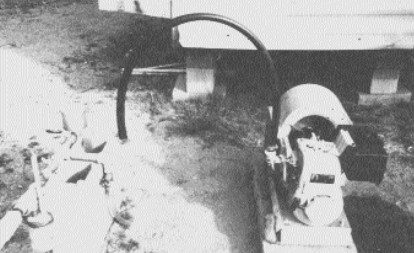
Using a “Producer Gas” Generator to Create Electricity by Gene Townsend is an introduction to generating electricity from biomass fuels using a producer-gas system. Published as an article in A Backwoods Home Anthology, the piece describes how wood, crop residues, coal, peat, corncobs, and other carbon-based fuels can be converted into combustible gas and used to power conventional internal-combustion engines connected to generators. The author presents producer gas as a practical alternative energy solution for off-grid and remote locations where utility power is unavailable or expensive.
The article explains the history of producer gas technology, noting that before gasoline became widely available, many stationary engines operated on manufactured gases derived from coal. During the late 1800s and early 1900s, European power plants used producer gas systems because they extracted significantly more usable energy from fuel than many steam engines of the period. The process converts carbon-containing fuels into a combustible mixture consisting primarily of carbon monoxide and hydrogen, which can then fuel a gasoline engine with only minor modifications.
Several gasifier designs are discussed, including updraft, downdraft, and crossdraft producers. The article explains the advantages and disadvantages of each design, including fuel flexibility, tar production, filtration requirements, and suitability for stationary versus mobile applications. According to the author, stationary power generation is one of the most practical uses because the equipment can be larger, simpler, and easier to maintain than vehicle-mounted systems.
The author concludes by arguing that producer gas offers an efficient method for converting low-value biomass into electricity. While the system requires maintenance and operator attention, it can generate power using locally available fuels and relatively simple equipment. The article is intended as an overview rather than a complete construction guide and encourages readers interested in building their own systems to consult more detailed resources.
© Prepping Communities. This content is for informational purposes only and not professional advice. Use at your own risk.
Terms | Privacy | Guidelines