
Top Foods Rich in Vitamin B1 (Thiamine) — Energy, Nerves & Survival Health
Introduction: The Nutrient Most People Overlook
When people think about nutrition, they usually focus on protein, calories, or maybe vitamins like C and D. But there’s one nutrient that quietly keeps everything running in the background—Vitamin B1, also known as thiamine.
It doesn’t get much attention.
But without it, your body struggles to produce energy, your brain slows down, and your nervous system starts to break down.
From a preparedness standpoint, that’s a serious problem.
Because in any emergency—whether it’s a short-term disruption or a long-term crisis—your ability to think clearly, move efficiently, and stay energized matters more than anything else.
Section 1: What Vitamin B1 Actually Does
Vitamin B1 plays a central role in how your body functions at a basic level.
Its main job is converting the food you eat—especially carbohydrates—into usable energy (ATP). Without it, calories don’t translate into strength or endurance.
It also supports:
- Brain function and mental clarity
- Nerve signaling and coordination
- Cardiovascular health
- Metabolic balance
- Stress response
In simple terms: B1 helps your body turn fuel into performance.
Section 2: Why This Matters for Preppers
In everyday life, a mild deficiency might just feel like being tired or unfocused.
In a crisis, it’s a different story.
Low B1 can mean:
- Slower reaction times
- Poor decision-making
- Physical weakness
- Reduced endurance
- Increased stress on the body
If you’re relying on stored food – especially rice, flour, or processed carbs – your risk of low thiamine goes up.
That’s why this vitamin is critical in long-term preparedness planning.
Section 3: Signs You Might Be Low in B1
Thiamine deficiency doesn’t always show up in obvious ways at first. It tends to build slowly.
Common signs include:
- Constant fatigue or low energy
- Brain fog or poor concentration
- Tingling or numbness in hands and feet
- Muscle weakness
- Poor appetite
- Mood changes or irritability
- Trouble handling carbohydrates
In more severe cases, it can lead to nerve damage or cardiovascular strain.
This isn’t something you want to discover in a high-stress situation.
Section 4: The Hidden Risk in Modern Diets
A lot of modern foods are stripped of nutrients during processing.
White rice, white flour, and refined grains lose much of their natural B1 content. Even though some products are “enriched,” it’s often not enough to fully replace what’s lost.
Add in stress, high sugar intake, or heavy physical activity, and your B1 needs go up.
For preppers who rely heavily on stored grains, this becomes a real concern.
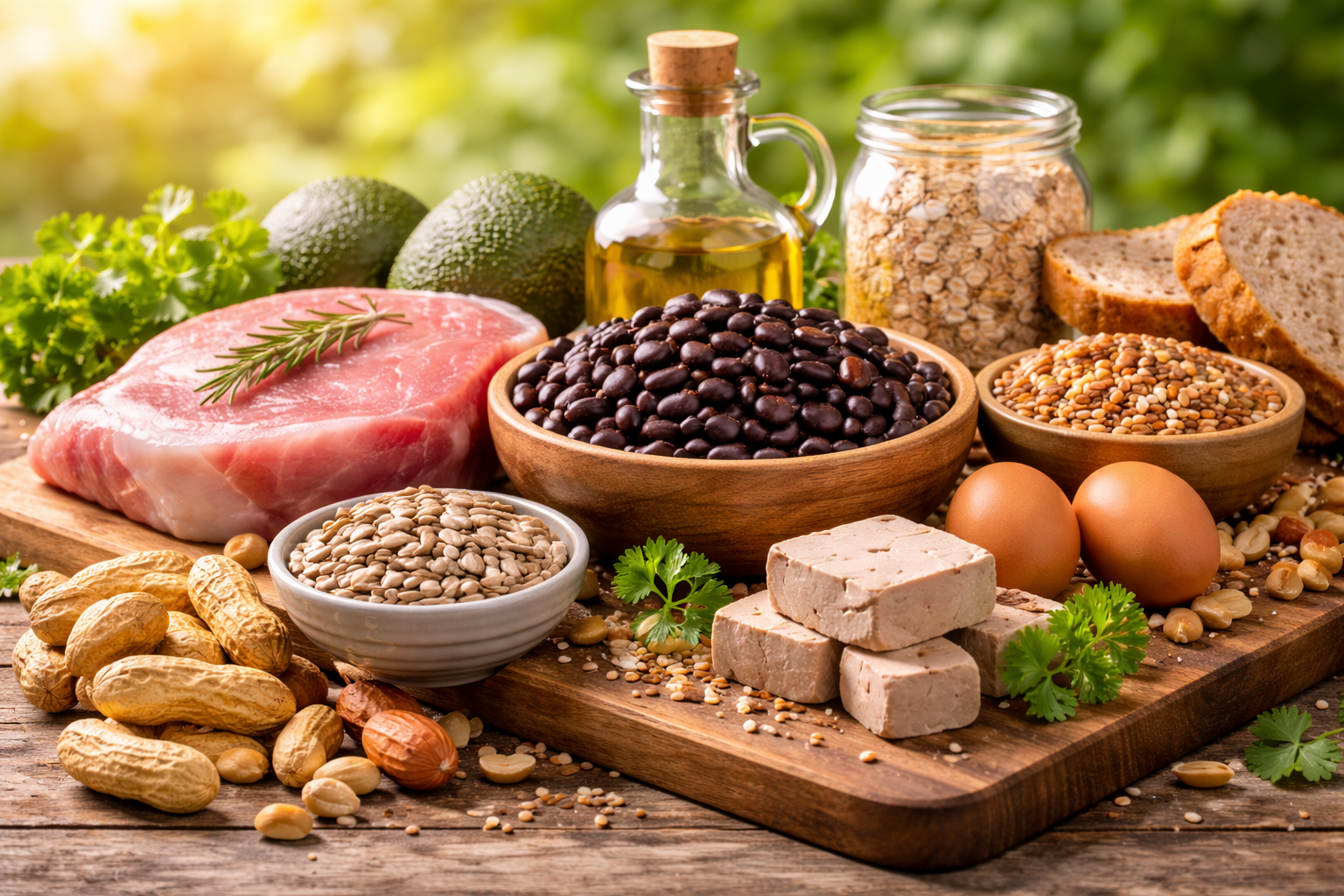
Section 5: Best Food Sources of Vitamin B1
The good news is that thiamine is found in a wide range of foods—many of which are easy to store or grow.
Animal-Based Sources
- Pork (one of the richest sources)
- Ham
- Fish like tuna
Plant-Based Sources
- Sunflower seeds
- Beans (black beans, lentils, navy beans)
- Peanuts
- Whole grains
- Oat bran
- Brown rice
- Buckwheat
Other Useful Sources
- Eggs
- Yeast (baker’s or brewer’s)
These foods are practical for both short-term and long-term use.
Section 6: Prepper-Friendly Food Strategy
If you’re building a food system for resilience, you want foods that:
- Store well
- Rotate easily
- Provide real nutrition
- Don’t rely on constant refrigeration
Vitamin B1-rich foods like beans, seeds, grains, and certain meats check all those boxes.
A smart prepper pantry includes:
- Dry legumes
- Whole grains (not just white flour)
- Seeds and nuts
- Canned or preserved proteins
This isn’t about adding one food—it’s about building balance.
Section 7: Cooking and Storage Mistakes to Avoid
Here’s something most people don’t realize:
Thiamine is sensitive to heat.
That means:
- Long cooking times can reduce B1 levels
- Boiling can cause loss into water
- Over-processing destroys natural content
Better Practices:
- Use shorter cooking times when possible
- Avoid overboiling
- Soak beans properly before cooking
- Eat a mix of raw, lightly cooked, and preserved foods
The goal is not just storing food—but preserving its value.
Section 8: High-Carb Diets Increase the Need for B1
This is a key point most people miss.
The more carbohydrates you eat, the more thiamine your body needs to process them.
If your diet is heavy in:
- Rice
- Bread
- Pasta
- Sugar
Then your B1 demand increases.
In a crisis situation where carbs become the primary calorie source, this can create a hidden deficiency problem.
Section 9: Mental Performance and Stress
Vitamin B1 plays a major role in brain function.
Low levels can affect:
- Memory
- Focus
- Mood
- Reaction time
In high-pressure environments, that’s dangerous.
Clear thinking and quick decisions are survival skills.
B1 helps support both.
Section 10: Long-Term Health and Resilience
Thiamine also supports:
- Heart function
- Blood vessel health
- Metabolic efficiency
This isn’t just about short-term survival—it’s about long-term durability.
A body that processes energy efficiently lasts longer under stress.
Section 11: Building a Balanced System
No single nutrient solves everything.
But ignoring key ones creates weak points.
A strong preparedness plan includes:
- Diverse food sources
- Nutrient-dense options
- Proper storage and rotation
- Awareness of deficiencies
Vitamin B1 fits into that bigger picture.
Section 12: Practical Daily Use
You don’t need to overcomplicate it.
Simple ways to increase B1 intake:
- Add beans to meals regularly
- Include seeds or nuts in snacks
- Use whole grains instead of refined
- Rotate in pork or fish when possible
- Consider yeast-based additions
Small habits make a big difference over time.
Section 13: The Real Prepper Takeaway
Vitamin B1 is one of those “invisible” nutrients.
You don’t notice it when things are going well.
But when it’s missing, everything starts to break down.
It supports:
- Energy production
- Mental clarity
- Nerve function
- Physical endurance
In a crisis, those aren’t luxuries—they’re essentials.
Conclusion: Don’t Ignore the Basics
Prepping isn’t just about stockpiling calories.
It’s about maintaining function.
Strength. Focus. Endurance.
Vitamin B1 helps hold all of that together.
If you’re serious about preparedness, pay attention to the small things that make a big difference.
Because in the real world…
It’s not just about having food.
It’s about what that food actually does for your body.
© Prepping Communities. This content is for informational purposes only and not professional advice. Use at your own risk.
Terms | Privacy | Guidelines