
Vitamin K: The Overlooked Nutrient That Quietly Protects Your Bones, Heart, and Long-Term Health
Introduction: The Nutrient Almost No One Talks About
When people think about staying healthy, they usually focus on protein, calories, or maybe vitamins like C and D. But there’s one nutrient that rarely gets the attention it deserves—Vitamin K.
It’s not flashy.
You won’t feel an immediate boost when you take it.
But over time, it plays a massive role in how your body handles calcium, maintains strong bones, and protects your cardiovascular system.
From a preparedness standpoint, that makes it incredibly important.
Because long-term resilience isn’t just about stockpiling food—it’s about staying mobile, strong, and capable as you age.
Section 1: What Vitamin K Actually Does
Vitamin K’s primary job is simple – but critical.
It controls where calcium goes in your body.
Think of it like a traffic director.
- It helps move calcium into bones and teeth (where it belongs)
- It helps keep calcium out of arteries and soft tissue (where it causes problems)
Without enough Vitamin K, your body can still absorb calcium—but it may end up in the wrong places.
That’s when issues start.
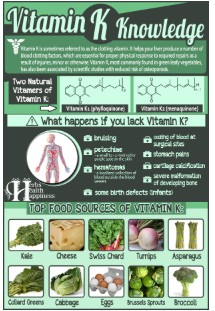
Section 2: The Two Forms of Vitamin K
Vitamin K isn’t just one thing—it comes in two main forms, each with different roles.
Vitamin K1 (Phylloquinone)
This form is mainly responsible for:
- Blood clotting
- Wound healing
- Basic circulation support
It’s found mostly in leafy green vegetables.
Vitamin K2 (Menaquinone)
This is the form most people are missing—and it’s the one tied to long-term health.
K2 helps:
- Direct calcium into bones
- Prevent calcium buildup in arteries
- Support heart health
- Maintain strong teeth
If K2 is low, calcium can slowly harden your arteries over time.
Section 3: Why This Matters More Than People Realize
Most people assume that if they’re getting enough calcium and Vitamin D, they’re covered.
But that’s only part of the equation.
Without enough Vitamin K—especially K2—those nutrients can’t do their job properly.
This can lead to:
- Weak or brittle bones
- Poor healing after injury
- Calcium buildup in arteries
- Increased risk of heart issues
This is a slow problem.
You don’t notice it right away.
But over time, it adds up.
Section 4: Signs You May Be Low in Vitamin K
Vitamin K deficiency isn’t always obvious at first.
Some early signs include:
- Easy bruising
- Slow wound healing
- Frequent nosebleeds
- Bleeding gums
Long-term issues may show up as:
- Reduced bone strength
- Joint problems
- Cardiovascular strain
By the time serious symptoms appear, the damage may already be progressing.
Section 5: Best Food Sources of Vitamin K
The good news is that Vitamin K is widely available in whole foods.
Vitamin K1 Sources (Plant-Based)
- Kale
- Spinach
- Collard greens
- Swiss chard
- Broccoli
These are easy to grow, easy to store short-term, and excellent for daily nutrition.
Vitamin K2 Sources (Animal & Fermented)
- Grass-fed beef
- Eggs
- Cheese
- Butter
- Fermented foods (like certain traditional preparations)
K2 is harder to get in modern diets, especially if you’re eating mostly processed foods.
Section 6: Absorption Matters More Than Intake
Vitamin K is fat-soluble.
That means your body needs fat to absorb it properly.
If you’re eating greens without any fat, you’re not getting the full benefit.
Simple fix:
- Add olive oil to vegetables
- Eat greens with eggs or meat
- Include healthy fats in meals
Small changes make a big difference.
Section 7: Why Preppers Should Pay Attention
Vitamin K directly affects:
- Bone strength
- Mobility
- Healing ability
- Heart health
These aren’t just health concerns—they’re survival concerns.
If you can’t move well, heal properly, or maintain circulation under stress, your overall resilience drops.
Preparedness isn’t just about gear—it’s about physical capability.
Section 8: Risk Factors That Lower Vitamin K
Several common factors can reduce Vitamin K levels:
- Poor diet (low in whole foods)
- Heavy use of antibiotics
- Gut health issues
- Aging
- High intake of processed foods
As people get older, absorption and production of Vitamin K tend to decline.
That makes it even more important to stay ahead of it.
Section 9: Aging and Long-Term Resilience
Vitamin K becomes more important with age.
Low levels can contribute to:
- Loss of bone density
- Increased fracture risk
- Arterial stiffness
- Reduced mobility
For preppers thinking long-term, this matters.
Strength and independence are assets.
Losing them changes everything.
Section 10: Vitamin K and Other Nutrients
Vitamin K doesn’t work alone.
It works alongside:
- Vitamin D
- Calcium
- Magnesium
These nutrients form a system.
If one is missing, the system doesn’t work properly.
That’s why balance matters more than megadosing a single supplement.
Section 11: Important Considerations
There are a few situations where Vitamin K intake needs attention:
- People on blood thinners (like warfarin) need consistent intake
- Pregnant women need adequate levels for development
- Children require it for bone growth
If medication is involved, always keep intake stable and consult a professional.
Section 12: Practical Daily Habits
You don’t need complicated plans.
Simple habits go a long way:
- Eat leafy greens regularly
- Include animal or fermented foods when possible
- Combine foods with healthy fats
- Avoid relying on processed meals
Consistency matters more than perfection.
Section 13: The Real Prepper Takeaway
Vitamin K isn’t something you feel immediately.
It works quietly in the background.
But it supports:
- Strong bones
- Healthy arteries
- Proper healing
- Long-term mobility
These are the things that determine whether you stay functional over time.
Conclusion: Don’t Ignore the Foundations
Prepping is often focused on gear, storage, and planning.
But the real foundation is your body.
Vitamin K is one of those nutrients that doesn’t get attention—but makes a massive difference.
If you’re thinking long-term…
Think about strength.
Think about mobility.
Think about staying independent.
Because when systems fail, your health becomes your most important resource.
© Prepping Communities. This content is for informational purposes only and not professional advice. Use at your own risk.
Terms | Privacy | Guidelines