
Introduction
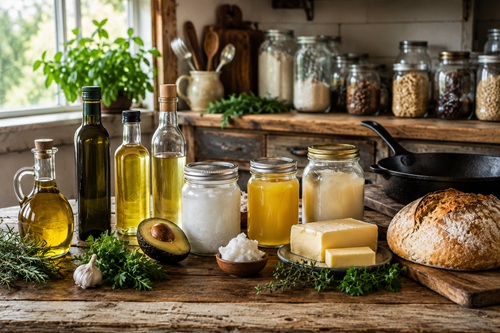
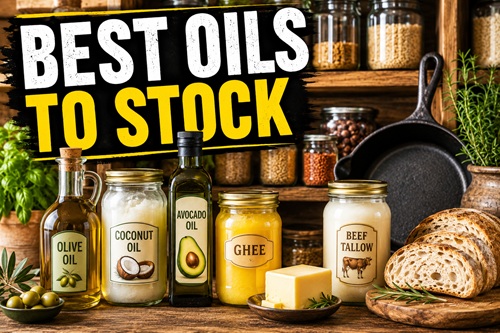
When most people begin building an emergency food pantry, they naturally focus on staples such as rice, beans, pasta, canned vegetables, and freeze-dried meals. While these foods form the foundation of long-term food storage, one essential category is often overlooked: cooking oils and fats. Without them, even the best-stocked pantry becomes far less useful. Oils and fats provide concentrated calories, improve the flavor and texture of meals, make baking possible, and help the body absorb important fat-soluble vitamins. They also play a critical role in everything from frying eggs and sautéing vegetables to baking bread and preserving food.
Unlike canned goods or dry grains, however, oils require more careful planning. Some remain stable for years when stored correctly, while others begin to deteriorate only months after opening. Heat, oxygen, moisture, and sunlight all shorten shelf life, making proper storage just as important as choosing the right products. Understanding these differences allows you to avoid waste while ensuring your pantry remains practical and dependable.
Preparedness is rarely about finding a single perfect product. Instead, it is about building layers of resilience. The same principle applies to cooking oils. Rather than relying on one type of fat, a well-designed pantry includes several options, each selected for its strengths. Some excel at high-temperature cooking, others provide exceptional shelf life, while a few offer outstanding nutritional value for everyday meals. Together they create a pantry capable of supporting your family through routine cooking as well as extended emergencies.
Why Oils and Fats Matter More Than Most People Realize
Fats are one of the three major macronutrients required by the human body, yet they are often treated as an afterthought when planning emergency food supplies. Beyond simply providing energy, dietary fats contribute to brain function, hormone production, healthy skin, insulation against cold, and the absorption of vitamins A, D, E, and K. A pantry filled only with grains and canned vegetables may provide carbohydrates and protein, but without adequate fats, meals become less satisfying and nutritional balance begins to suffer.
From a practical standpoint, oils make food preparation far easier. Many emergency staples require oil during cooking to improve flavor, prevent sticking, or achieve proper texture. Fresh bread, biscuits, pancakes, fried potatoes, soups, gravies, and countless other recipes all depend on some form of cooking fat. Even something as simple as sautéing onions before adding them to a stew can dramatically improve the final meal. During stressful situations, familiar and enjoyable food can provide an important boost to morale.
Oils also represent one of the most calorie-dense foods available. A single tablespoon contains approximately 120 calories, making fats an efficient source of long-lasting energy. During emergencies involving increased physical activity, cold weather, or limited food supplies, these concentrated calories become even more valuable. A relatively small bottle of cooking oil contains enough energy to support many meals while occupying very little storage space.
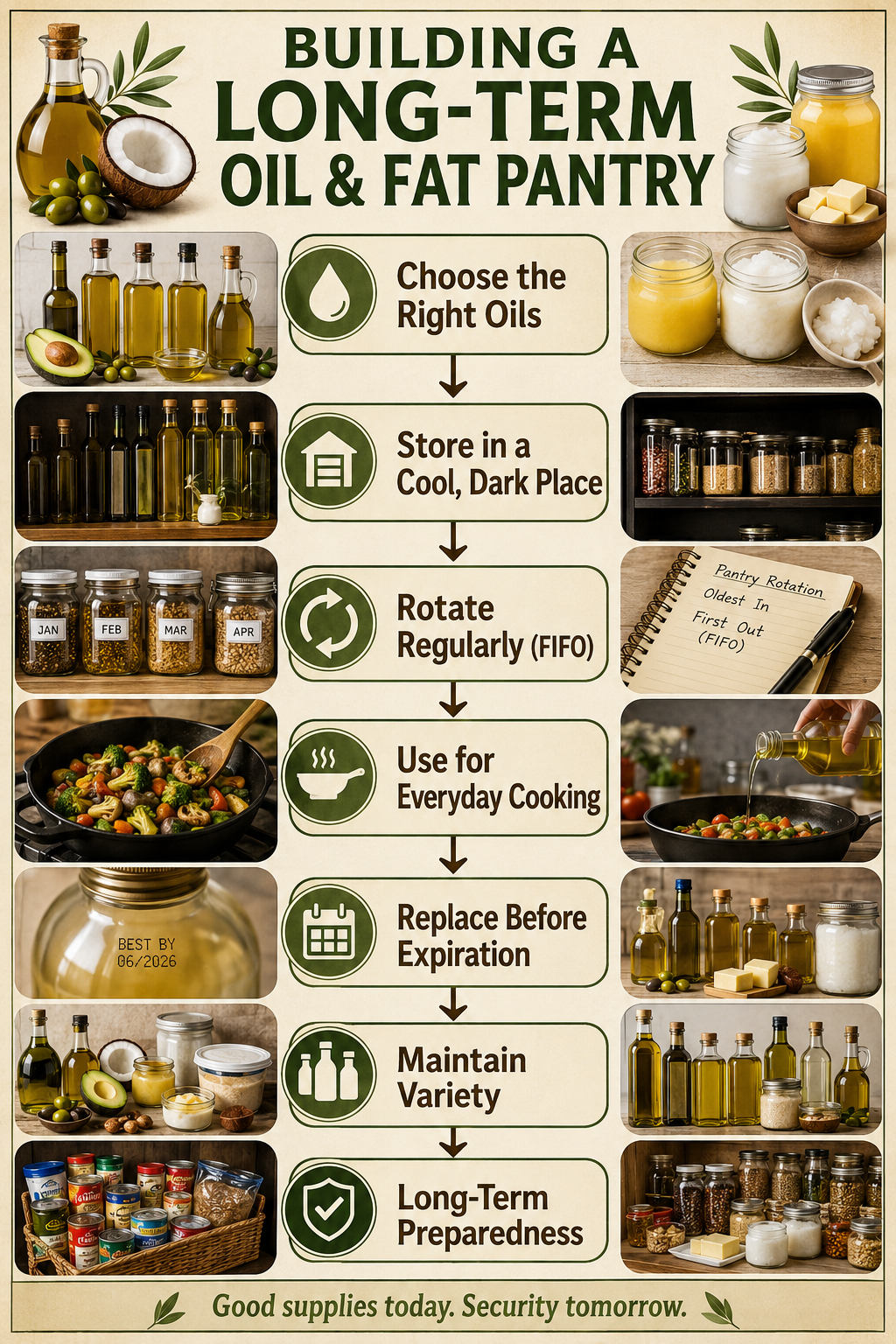
Because fats are consumed regularly in everyday cooking, they are among the easiest preparedness supplies to rotate naturally. Instead of purchasing products that sit untouched for years, families can simply buy slightly more than they normally use, replace them as needed, and maintain a continuously fresh emergency reserve. This approach minimizes waste while ensuring that essential cooking ingredients are always available.
Understanding What Makes One Oil Better Than Another
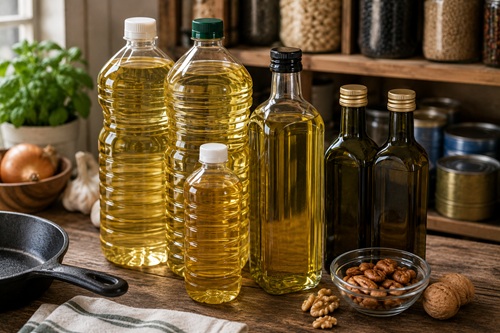
Not all cooking oils are created equal. Some are designed for high-temperature frying, while others are intended for salad dressings or baking. Some remain stable for years, while others begin losing quality relatively quickly after opening. Learning these differences allows you to choose the right oil for the right purpose instead of expecting one product to do everything.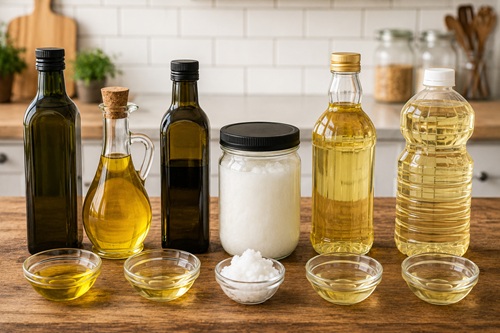
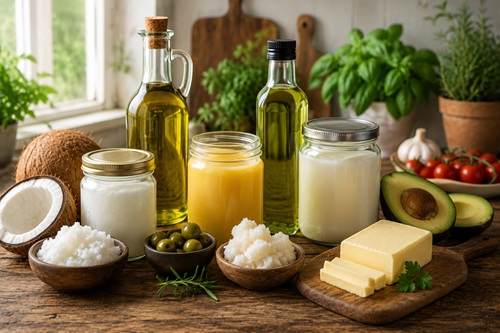
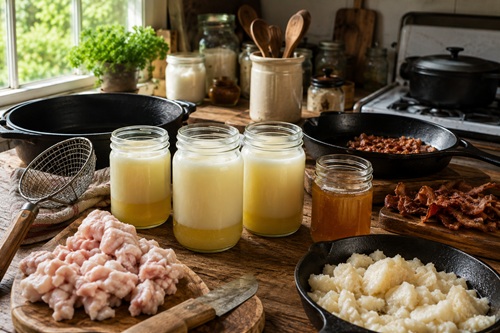
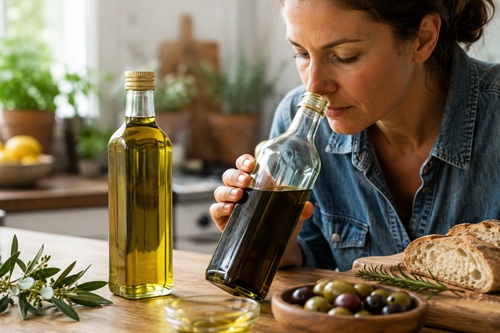
One of the most important characteristics is shelf life. Oils naturally oxidize over time as they are exposed to oxygen, heat, and light. This oxidation eventually leads to rancidity, causing unpleasant flavors and odors while reducing nutritional quality. Oils that contain higher levels of saturated fat, such as coconut oil and ghee, generally resist oxidation better than oils containing large amounts of polyunsaturated fats. This explains why certain traditional fats have remained popular for long-term storage despite changing dietary trends.
Smoke point is another important consideration. Every oil begins to break down when heated beyond a certain temperature, producing unpleasant flavors and potentially undesirable compounds. High smoke-point oils such as avocado oil, ghee, and beef tallow perform well during frying and roasting, while extra virgin olive oil is better suited for lower-temperature cooking or finishing dishes after cooking. Choosing the proper oil not only improves food quality but also extends the useful life of your stored supplies.
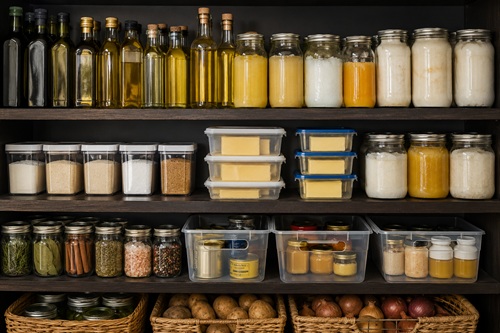
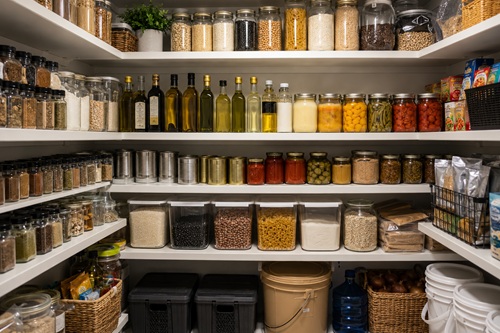
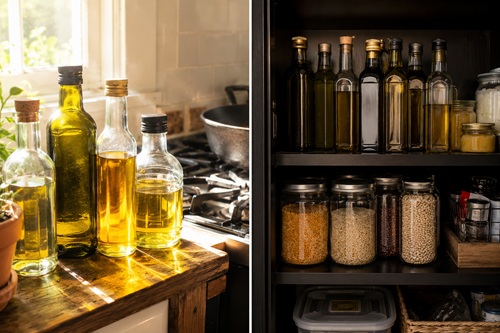
Storage conditions play an equally important role. Regardless of the oil selected, cool temperatures, darkness, and tightly sealed containers significantly extend shelf life. A bottle stored beside a warm stove may deteriorate much faster than the same bottle stored inside a cool pantry cabinet. Small storage habits often make a surprisingly large difference over time.
© Prepping Communities. This content is for informational purposes only and not professional advice. Use at your own risk.
Terms | Privacy | Guidelines