
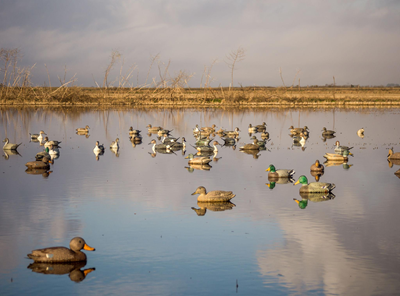
The PDF is a detailed educational guide on waterfowl hunting in Wisconsin, created by the Wisconsin Department of Natural Resources (WDNR). It is designed as a beginner-to-intermediate training resource, helping new hunters understand not just how to hunt waterfowl, but also the broader context of conservation, regulations, and ethical responsibility. The document blends practical field knowledge with wildlife education, making it both instructional and informative.
The guide begins by introducing the significance of waterfowl hunting in Wisconsin, highlighting the state’s role as a major habitat within the Mississippi Flyway. As described in the introduction (page 3), Wisconsin supports both local and migratory bird populations, offering diverse hunting opportunities across wetlands, lakes, and rivers. The document emphasizes that hunting is not just about harvesting game, but also about enjoying the outdoors, building skills, and participating in a long-standing tradition that connects generations of hunters.
A strong emphasis is placed on preparation and legal requirements. Early sections (page 4) outline the licenses, permits, and certifications required to hunt waterfowl, including duck stamps and federal programs like HIP certification. The document also provides historical context (page 5), explaining how overhunting in the past led to conservation laws such as the Migratory Bird Treaty Act. This helps readers understand why modern regulations exist and how hunters contribute directly to wildlife conservation through fees and responsible practices.
The middle sections of the guide focus on practical hunting knowledge and field techniques. It categorizes different types of waterfowl—such as puddle ducks, diving ducks, and sea ducks (pages 8–10)—and explains their feeding habits, habitats, and behaviors. This knowledge is essential for choosing effective hunting strategies. The guide also covers key hunting methods like pass shooting, jump shooting, and hunting over decoys (pages 11–12), along with equipment such as boats, blinds, calls, and dogs. Throughout these sections, the importance of scouting, safety, and ethical hunting practices is consistently reinforced.
The final portion of the document shifts toward post-harvest processes and conservation impact. The step-by-step waterfowl processing instructions (pages 19–23) walk hunters through how to properly clean and prepare a harvested bird, ensuring nothing is wasted. The closing sections (page 24) highlight the role hunters play in funding conservation efforts, showing how license fees and stamps contribute millions of dollars toward habitat protection. Overall, the PDF serves as a well-rounded, practical, and ethically grounded guide for anyone interested in waterfowl hunting.
Created by: Migratory Game Bird Specialist: Taylor Finger
Assistant Migratory Game Bird Specialist: Trenton Rohrer
© Prepping Communities. This content is for informational purposes only and not professional advice. Use at your own risk.
Terms | Privacy | Guidelines