
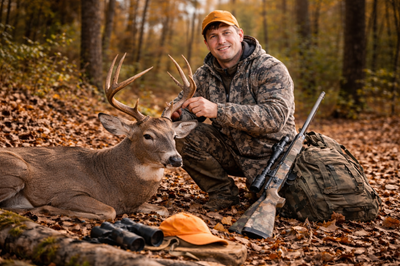
This publication, titled “The Basics of Deer Hunting in Rhode Island”, is a comprehensive beginner-to-intermediate guide designed to teach hunters how to safely, ethically, and effectively pursue white-tailed deer. Developed as part of a hunter education program, the manual combines wildlife biology, hunting techniques, legal requirements, and field skills into one structured resource. It emphasizes that hunting is not just about harvesting an animal, but about understanding the environment, respecting wildlife, and developing skills over time.
A major portion of the guide focuses on understanding deer behavior and habitat, which is critical for hunting success. As outlined in the early sections (pages 5–9), it explains where deer live, how they move, what they eat, and how they behave throughout the seasons. Topics like feeding patterns, bedding areas, tracks, rubs, and scrapes help hunters identify signs of deer activity. This knowledge allows hunters to predict movement and choose better hunting locations, reinforcing that success comes from observation and patience rather than luck.
The manual also provides detailed instruction on hunting methods and field techniques. On page 11, it introduces key strategies such as stand hunting, still hunting, spot-and-stalk, and driving—each suited to different terrain and conditions. It also covers critical elements like hunting the wind (page 13), camouflage and concealment (pages 12–16), and the use of blinds and tree stands. These sections highlight that effective hunting requires careful planning, awareness of surroundings, and minimizing detection by the animal.
Another important section covers equipment, safety, and regulations, ensuring hunters operate responsibly and legally. The guide explains licensing requirements (page 4), weapon types (archery, muzzleloader, shotgun), and mandatory safety practices such as wearing hunter orange (page 14). It also includes firearm safety rules, ethical shot placement (pages 21–22), and tracking wounded game. These elements stress that hunting must be conducted with safety, responsibility, and respect for both people and animals.
Finally, the publication walks through post-harvest processes, including tagging, reporting, field dressing, and processing the animal. It also addresses health concerns such as Chronic Wasting Disease and proper handling practices. This ensures that hunters not only harvest game successfully but also utilize it properly as a food source, completing the full cycle from field to table.
Overall, this PDF is a complete foundational guide to deer hunting, blending practical skills, biological knowledge, and ethical responsibility. For preppers, it’s especially valuable as it teaches how to reliably source protein from the wild while maintaining safety and sustainability.
© Prepping Communities. This content is for informational purposes only and not professional advice. Use at your own risk.
Terms | Privacy | Guidelines