
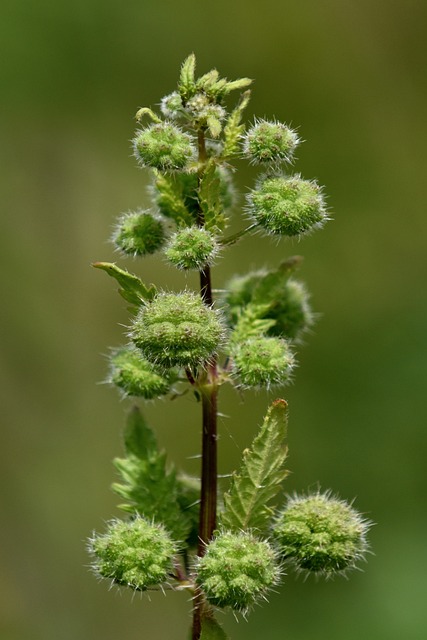
Principles of Sustainable Weed Management for Croplands is a 15-page publication produced by ATTRA (Appropriate Technology Transfer for Rural Areas) and written by Preston Sullivan in 2003. Rather than focusing solely on herbicides and cultivation, the publication argues that weeds are often symptoms of farming systems that work against natural ecological processes. The central message is that farmers can reduce weed problems by designing cropping systems that mimic nature more closely and prevent weeds from becoming established in the first place.
The publication contrasts two approaches to weed management:
- Reactive weed control — killing weeds after they appear.
- Proactive weed management — designing systems that discourage weeds from becoming a problem.
A major portion of the guide explains weed ecology, including weed seed banks, seed dormancy, germination triggers, succession, biodiversity, and how farming practices influence weed populations. The author argues that monocultures, excessive tillage, and bare soil create ideal conditions for weeds, while diverse and biologically active systems naturally suppress them.
The publication explores numerous sustainable weed-management strategies, including:
- Cover crops
- Allelopathic crops such as rye and rapeseed
- Crop rotations
- Intercropping
- Smother crops
- Mulching
- Reduced tillage
- Composting
- Integrated weed management systems
- Livestock integration into crop systems
Several case studies demonstrate successful real-world applications. Examples include farmers dramatically reducing herbicide use through cover crops, diverse rotations, ridge-till systems, and integrated crop-livestock management. The publication repeatedly emphasizes that creativity and ecological understanding are often more effective than relying solely on chemical weed control.
For homesteaders, gardeners, small farmers, and preparedness-minded individuals interested in food production, the document provides a strong foundation in sustainable weed management and long-term soil health.
© Prepping Communities. This content is for informational purposes only and not professional advice. Use at your own risk.
Terms | Privacy | Guidelines