
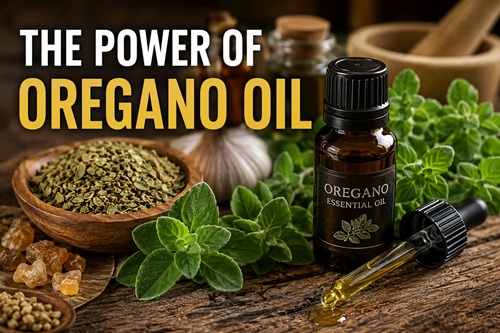
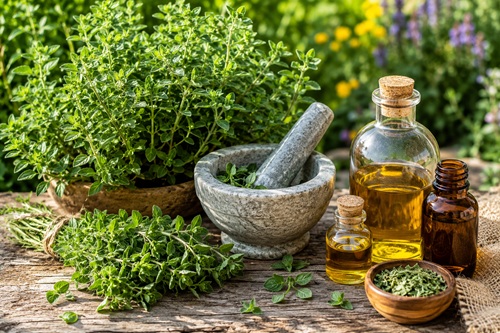
Oregano has been valued for centuries as both a culinary herb and a traditional medicinal plant. The essential oil extracted from oregano leaves is highly concentrated and contains natural compounds such as carvacrol and thymol, which have attracted significant scientific interest for their antimicrobial and antioxidant properties. While oregano oil has shown promise in laboratory studies and traditional use, it should be viewed as a complementary remedy rather than a replacement for professional medical care when serious illness is involved.
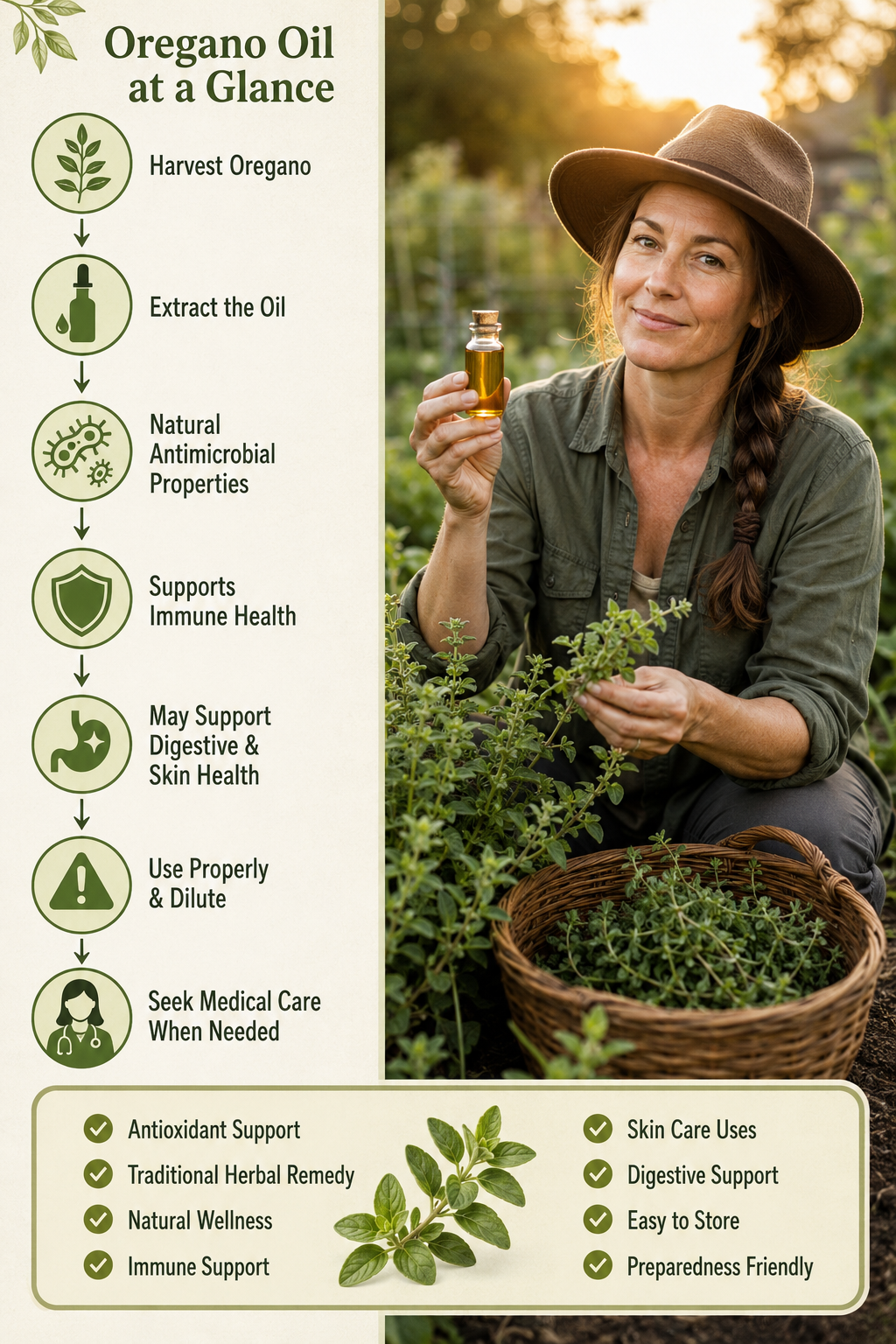
One of oregano oil’s best-known qualities is its ability to inhibit the growth of certain bacteria, fungi, and other microorganisms under laboratory conditions. This has made it a popular natural product for supporting immune health, particularly during cold and flu season.
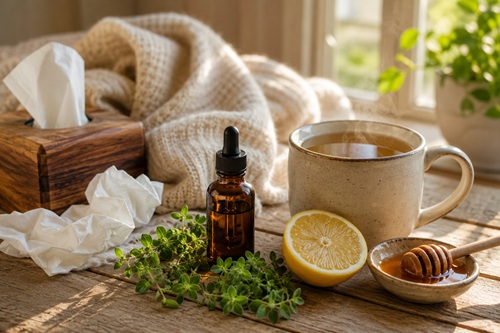
Many people also use oregano oil to help relieve minor sore throats, sinus congestion, coughs, and other upper respiratory symptoms, although clinical evidence for many of these uses remains limited.
Oregano oil may also support digestive health. Traditionally, it has been used to help relieve occasional indigestion, bloating, and stomach discomfort while promoting a healthy balance of intestinal microorganisms.
Some preliminary research has explored its potential role in reducing certain intestinal parasites, but more high-quality human studies are needed before firm conclusions can be made.
The oil’s antioxidant compounds help protect cells from oxidative stress caused by free radicals. Antioxidants play an important role in maintaining overall health and may contribute to reducing chronic inflammation throughout the body. Because of these properties, researchers continue to investigate oregano oil for its potential role in supporting long-term wellness.
When diluted properly, oregano oil is sometimes applied topically to help manage minor fungal skin conditions such as athlete’s foot or nail fungus. Some individuals also use diluted oregano oil for minor cuts, scrapes, insect bites, or acne-prone skin because of its natural antimicrobial activity.
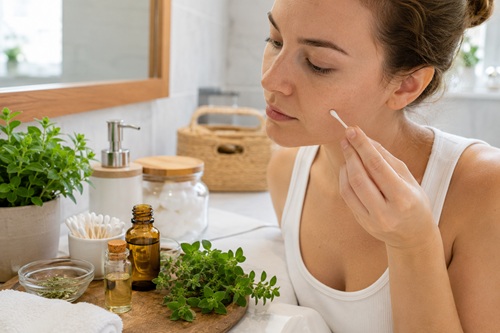
However, essential oils are highly concentrated and should never be applied directly to the skin without proper dilution, as they can cause irritation or burns.
Some people report that oregano oil helps ease muscle soreness, joint discomfort, menstrual cramps, fatigue, seasonal allergy symptoms, dandruff, and cold sores. Others use it as a natural insect repellent or as part of their oral hygiene routine. While many of these traditional uses have been passed down for generations, scientific evidence supporting them varies considerably, and more research is needed to confirm their effectiveness.

Researchers are also studying oregano oil for potential applications involving inflammation, certain antibiotic-resistant bacteria, and even cancer-related laboratory research. While these early findings are encouraging, they should not be interpreted as proof that oregano oil can prevent or cure cancer or replace conventional medical treatments.
Although oregano oil is a natural product, it is extremely potent and should always be used with care. Essential oils can interact with certain medications, may not be appropriate during pregnancy or breastfeeding, and can cause allergic reactions in sensitive individuals. Internal use should follow product directions carefully, and prolonged use is generally not recommended without guidance from a qualified healthcare professional.

It is also important to avoid overstating oregano oil’s capabilities. Claims that oregano oil is “more powerful than any antibiotic” or that it is universally “safer than prescription antibiotics” are not supported by current medical evidence. Prescription antibiotics remain essential for treating many serious bacterial infections, and delaying appropriate medical care can lead to severe complications. Oregano oil may serve as a useful complementary wellness product for some individuals, but it should not replace proven medical treatment when it is needed.
Final Thoughts
Oregano oil is one of the most well-known herbal remedies in the natural health community, and for good reason. Its traditional use spans generations, and modern research continues to explore many of its antimicrobial, antioxidant, and anti-inflammatory properties. While it is not a substitute for professional medical care or prescribed medications when they are needed, it can be a valuable addition to a well-rounded home wellness plan when used responsibly.
Whether you’re building a natural medicine cabinet, learning traditional herbal skills, or simply looking for ways to support everyday health, oregano oil is one of many herbs worth understanding. The key is to use it safely, recognize both its potential benefits and its limitations, and choose high-quality products from reputable manufacturers.
Preparedness is about more than storing supplies—it’s about building knowledge and developing practical skills before they’re needed. Learning how herbs such as oregano have been traditionally used, while staying informed about current scientific research, gives you another tool that may support your family’s overall health and resilience. Like any preparedness resource, oregano oil is most valuable when it is understood, respected, and used as part of a balanced approach to long-term wellness.
© Prepping Communities. This content is for informational purposes only and not professional advice. Use at your own risk.
Terms | Privacy | Guidelines