
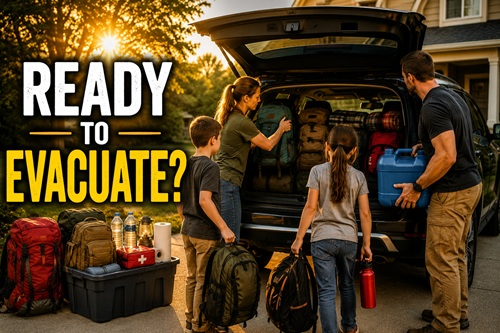
Emergencies rarely happen when it’s convenient. Wildfires, hurricanes, floods, severe storms, hazardous material spills, civil unrest, and other unexpected events can develop quickly, leaving little time to make important decisions. Families who evacuate safely are usually the ones who prepared long before an emergency began. A well-developed evacuation plan reduces stress, saves valuable time, and allows you to focus on protecting the people who matter most.
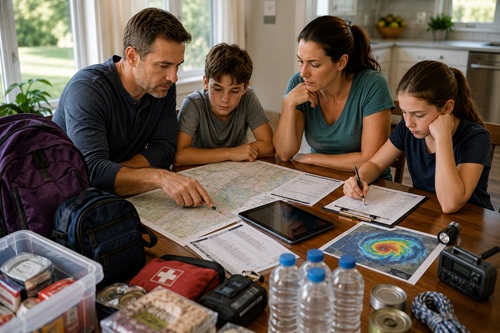
Many people believe that simply owning a bug-out bag is enough, but effective evacuation planning involves much more than packing supplies. Reliable transportation, multiple evacuation routes, communication plans, safe destinations, and regular practice all work together to create a successful response. Every part of the plan should support the others, creating layers of preparedness rather than relying on a single solution.
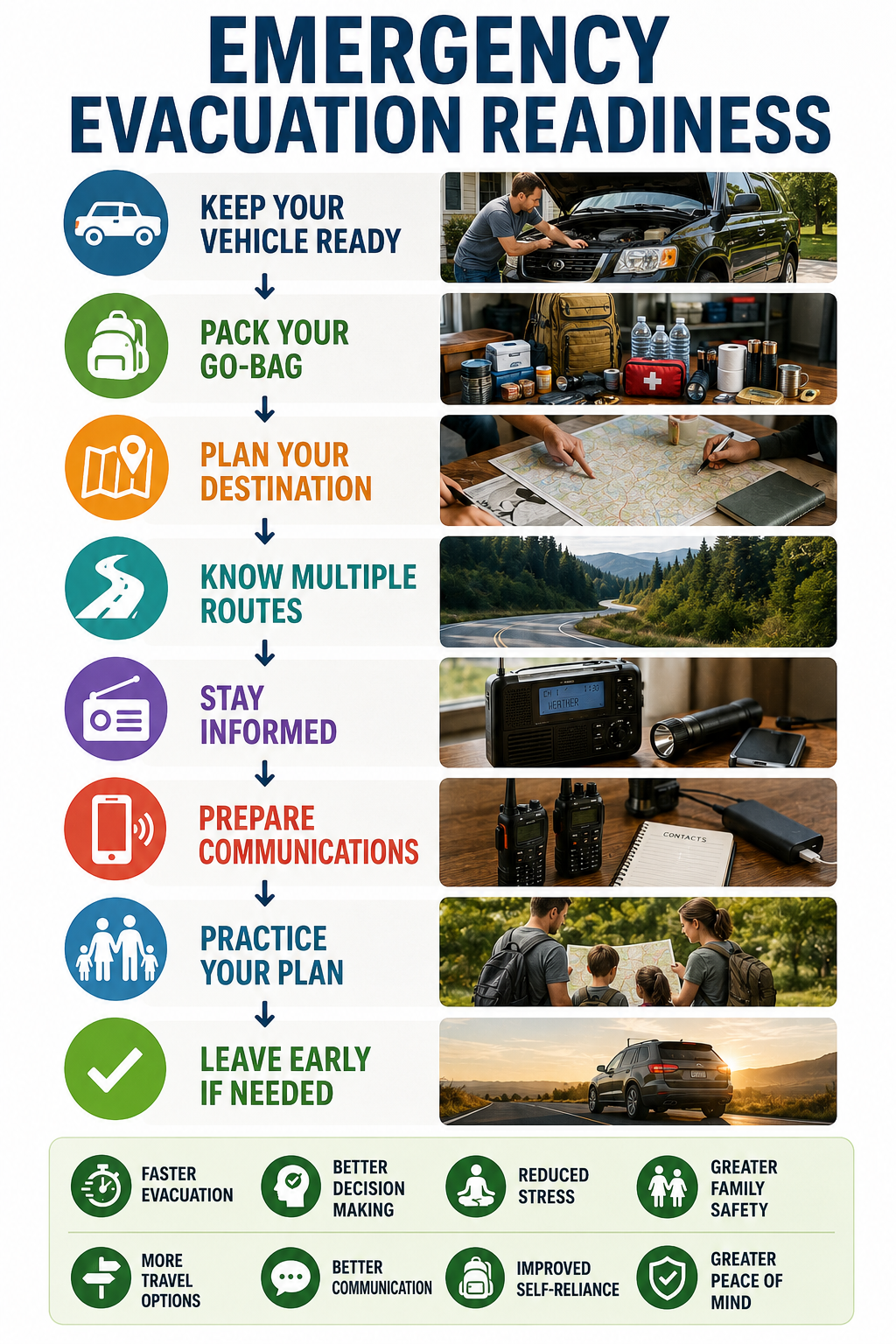
One of the first priorities is keeping your primary vehicle ready for unexpected travel. During large evacuations, repair shops may be overwhelmed, fuel stations may have long lines, and replacement parts may be difficult to obtain. Regular maintenance helps reduce the chance of mechanical problems when you need your vehicle most.
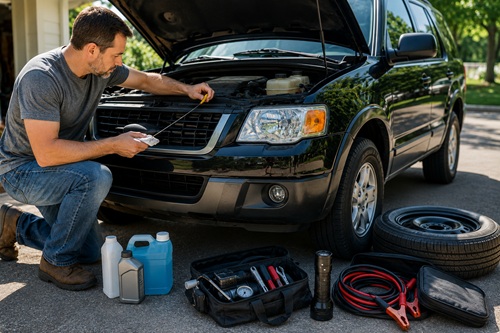
Keep fuel levels reasonably high, inspect tires regularly, check engine fluids, test the battery, and make sure emergency equipment such as jumper cables, flashlights, basic tools, and a spare tire are always available.
Your emergency supplies should also be reviewed well before disaster strikes. Every family member should have access to enough food, drinking water, clothing, shelter, first aid supplies, medications, lighting, hygiene items, and other necessities to remain self-sufficient for several days if required. Organize supplies so they can be loaded quickly into your vehicle without searching through closets or storage rooms during an evacuation.
Knowing where you plan to go is equally important. Identify several possible destinations before an emergency occurs rather than trying to decide under pressure. These might include trusted family members, friends, campgrounds, hotels, community shelters, or other safe locations outside the affected area. Consider whether each destination has reliable access to water, sanitation, fuel, medical care, and enough space for your family if you need to remain there longer than expected.
Transportation plans should also include more than one route. Major highways can become congested, bridges may close, roads can flood, and accidents often create unexpected delays. Planning several alternate routes ahead of time provides flexibility if your preferred path becomes unusable. Carrying printed road maps is also wise, since GPS navigation, mobile networks, or internet service may become unreliable during widespread emergencies.
Communication becomes increasingly important when families are separated. Establish a communication plan that includes emergency contact numbers, meeting locations, and backup methods for staying in touch.
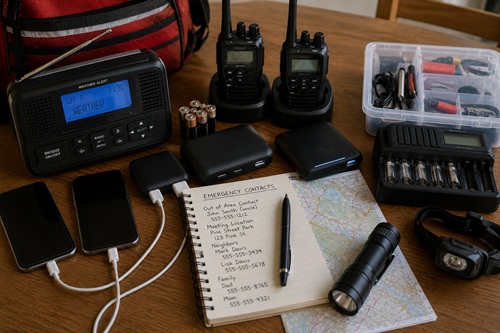
Battery-powered weather radios, two-way radios, portable chargers, extra batteries, and offline contact lists all improve your ability to receive information and coordinate with family members if normal communication systems become overloaded or unavailable.
Preparedness also extends beyond your own household. Building relationships with neighbors, family members, and trusted preparedness groups creates valuable support during difficult situations. Sharing knowledge, equipment, transportation, skills, and information often makes everyone more resilient. If you evacuate to someone else’s home or property, arriving with your own food, water, bedding, hygiene supplies, and other necessities helps reduce the burden on your hosts while strengthening the group as a whole.
Perhaps the most overlooked part of emergency planning is practice. An evacuation plan that has never been tested may reveal unexpected weaknesses when time is limited. Practice loading your vehicle, review your emergency supplies, verify your communication procedures, and occasionally drive your evacuation routes. Small improvements discovered during practice are much easier to correct before an actual emergency occurs.
Preparedness is ultimately about creating options. Reliable transportation, organized supplies, multiple destinations, alternate travel routes, dependable communications, and trusted relationships all work together to improve your ability to respond calmly when circumstances change.
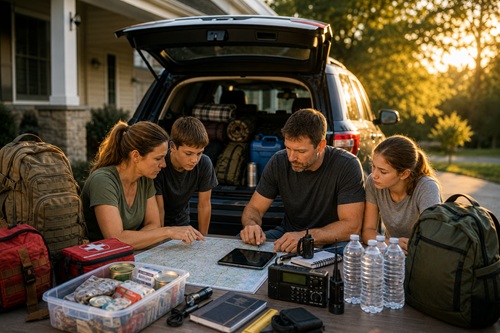
No emergency plan can eliminate every challenge, but thoughtful preparation greatly increases your ability to adapt, protect your family, and make sound decisions under pressure.
The worksheet that follows will help you evaluate your current evacuation readiness, identify areas for improvement, organize your supplies, and develop a practical emergency evacuation plan that can be updated as your family’s needs and circumstances change. Every improvement you make today increases your confidence and your ability to respond effectively tomorrow.
Worksheet
Design Your Emergency Evacuation Readiness Plan
Personal Evacuation Preparedness Assessment
Name: _______________________________________
Date: ________________________________________
Part 1 – Hazard Assessment
Every location faces different risks. Identify the emergencies most likely to affect your area.
☐ Wildfire
☐ Flooding
☐ Hurricane
☐ Tornado
☐ Severe winter storm
☐ Earthquake
☐ Power outage
☐ Chemical spill
☐ Civil unrest
☐ Pandemic
☐ Tsunami
☐ Volcanic activity
☐ Other
The emergency most likely to require evacuation is:
Part 2 – My Evacuation Decision
Under what conditions would I leave home?
☐ Mandatory evacuation order
☐ Nearby wildfire
☐ Flood warning
☐ Hurricane warning
☐ Hazardous chemical release
☐ Civil unrest
☐ Extended utility failure
☐ Other
My family’s evacuation trigger(s):
Part 3 – Vehicle Readiness
Check the condition of your primary evacuation vehicle.
☐ Fuel tank kept at least half full
☐ Oil checked regularly
☐ Coolant inspected
☐ Tire pressure checked
☐ Spare tire available
☐ Jack and tire tools
☐ Battery tested
☐ Windshield washer fluid
☐ Emergency repair kit
☐ Jumper cables
☐ Flashlight
☐ Basic tool kit
☐ Phone charger
☐ Paper road maps
Items needing attention:
Part 4 – Emergency Go-Bags
Does each family member have an emergency bag?
☐ Yes
☐ No
Each bag contains:
☐ Water
☐ Food
☐ Clothing
☐ Rain gear
☐ Shelter
☐ Fire-starting supplies
☐ Flashlight
☐ Batteries
☐ First aid kit
☐ Prescription medications
☐ Hygiene supplies
☐ Knife or multitool
☐ Personal documents
☐ Cash
☐ Communication equipment
Missing supplies:
Part 5 – Family Evacuation Needs
List any special considerations.
☐ Infants
☐ Young children
☐ Seniors
☐ Pets
☐ Prescription medications
☐ Medical equipment
☐ Mobility limitations
☐ Dietary requirements
☐ Service animals
Other special needs:
Part 6 – Safe Destinations
List several possible evacuation destinations.
| Destination | Contact | Travel Time |
|---|---|---|
My preferred destination:
Part 7 – Evacuation Routes
Have you identified multiple routes?
☐ Primary route
☐ Secondary route
☐ Back-road route
☐ Printed road atlas
☐ Offline GPS maps
☐ Bridges or alternate crossings identified
Potential travel concerns:
Part 8 – Communication Plan
How will your family stay in contact?
☐ Cell phones
☐ Text messaging
☐ Two-way radios
☐ HAM radio
☐ Satellite communicator
☐ Weather radio
☐ Backup batteries
☐ Power banks
☐ Vehicle chargers
☐ Printed emergency contact list
Family meeting location:
Out-of-area emergency contact:
Part 9 – Important Documents
Have copies been prepared?
☐ Identification
☐ Insurance policies
☐ Medical records
☐ Prescription list
☐ Property documents
☐ Emergency contacts
☐ Vehicle registration
☐ Passports
☐ Pet records
☐ USB backup
☐ Waterproof document pouch
Missing documents:
Part 10 – Home Before Leaving
Before evacuating I should remember to:
☐ Shut off utilities if necessary
☐ Lock all doors and windows
☐ Load emergency supplies
☐ Bring medications
☐ Bring pets
☐ Inform family members
☐ Check neighbors if safe
☐ Take important documents
☐ Monitor emergency updates
☐ Leave early if conditions worsen
Other actions:
Part 11 – My 30-Day Preparedness Plan
During the next month I will:
☐ Complete my go-bag.
☐ Service my vehicle.
☐ Build a vehicle emergency kit.
☐ Identify three evacuation routes.
☐ Visit my bug-out location.
☐ Update emergency contacts.
☐ Organize important documents.
☐ Purchase additional emergency supplies.
☐ Practice loading my vehicle.
☐ Review my family communication plan.
Other goals:
Annual Readiness Review
Review your evacuation plan at least once each year.
☐ Inspect go-bags
☐ Replace expired food
☐ Replace expired medications
☐ Rotate stored water
☐ Test flashlights
☐ Recharge power banks
☐ Update emergency contacts
☐ Review evacuation routes
☐ Service vehicle
☐ Practice evacuation drill
☐ Update important documents
☐ Review communication plan
Notes
Final Reflection
A successful evacuation rarely depends on one piece of equipment or one last-minute decision. It comes from careful planning, reliable transportation, organized supplies, clear communication, and knowing where to go before an emergency develops.
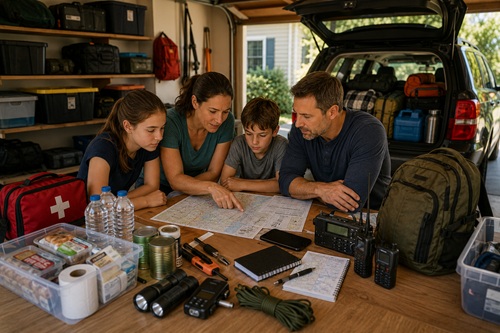
Every improvement you make today increases your ability to respond quickly, protect your family, and adapt to changing conditions. Preparedness is not about expecting the worst – it’s about giving yourself the best possible options when the unexpected happens.
© Prepping Communities. This content is for informational purposes only and not professional advice. Use at your own risk.
Terms | Privacy | Guidelines