
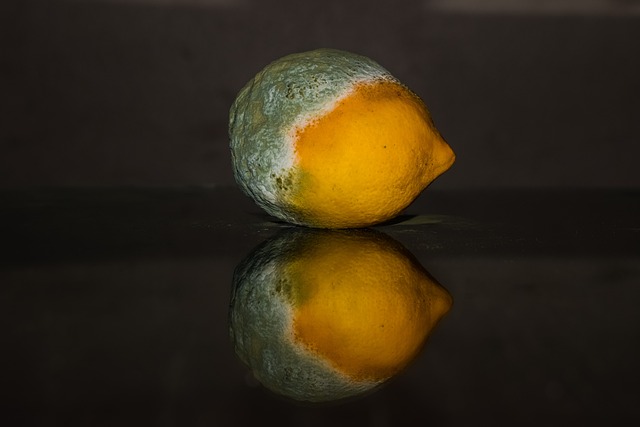
Different Ways of Killing Mold is a compiled educational document that combines mold-remediation information, preservation guidance, and environmental control recommendations from multiple sources. While the opening section discusses common household mold-control methods such as vinegar, the majority of the document focuses on mold prevention and remediation in libraries, archives, collections, and indoor environments. The publication explains what mold is, how it grows, why it damages materials, and how to safely control and remove infestations.
A major theme throughout the document is that mold problems are fundamentally environmental problems. The guide repeatedly emphasizes that simply killing mold is not enough; unless humidity, moisture, and temperature conditions are corrected, mold will return. The publication explains that mold spores are always present in the environment and become active when moisture, warmth, and suitable food sources are available. It details how mold damages books, paper, fabrics, building materials, and other organic substances by consuming cellulose, starches, and other nutrients.
The guide provides extensive recommendations for prevention, including maintaining indoor humidity between approximately 45% and 65%, improving air circulation, controlling moisture intrusion, fixing leaks, using dehumidifiers, increasing ventilation, and monitoring environmental conditions. Numerous practical suggestions are offered for buildings, basements, storage rooms, libraries, archives, and collections. The document strongly promotes prevention as the most effective long-term mold-control strategy.
The final sections discuss mold remediation techniques, including freezing, air drying, vacuuming with HEPA filtration, isolation of contaminated materials, sunlight exposure, cleaning procedures, and the advantages and disadvantages of various chemical treatments. The document also contains substantial discussion of worker safety, respiratory protection, health risks associated with mold exposure, and why many older chemical fumigation methods are no longer recommended due to toxicity concerns.
© Prepping Communities. This content is for informational purposes only and not professional advice. Use at your own risk.
Terms | Privacy | Guidelines