How to Control Cabbage Worms in Your Garden

General Information

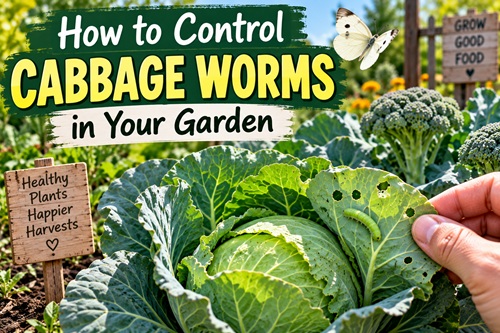
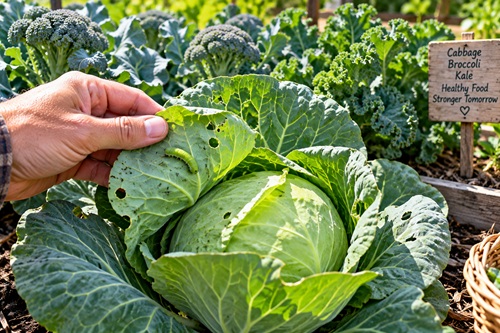
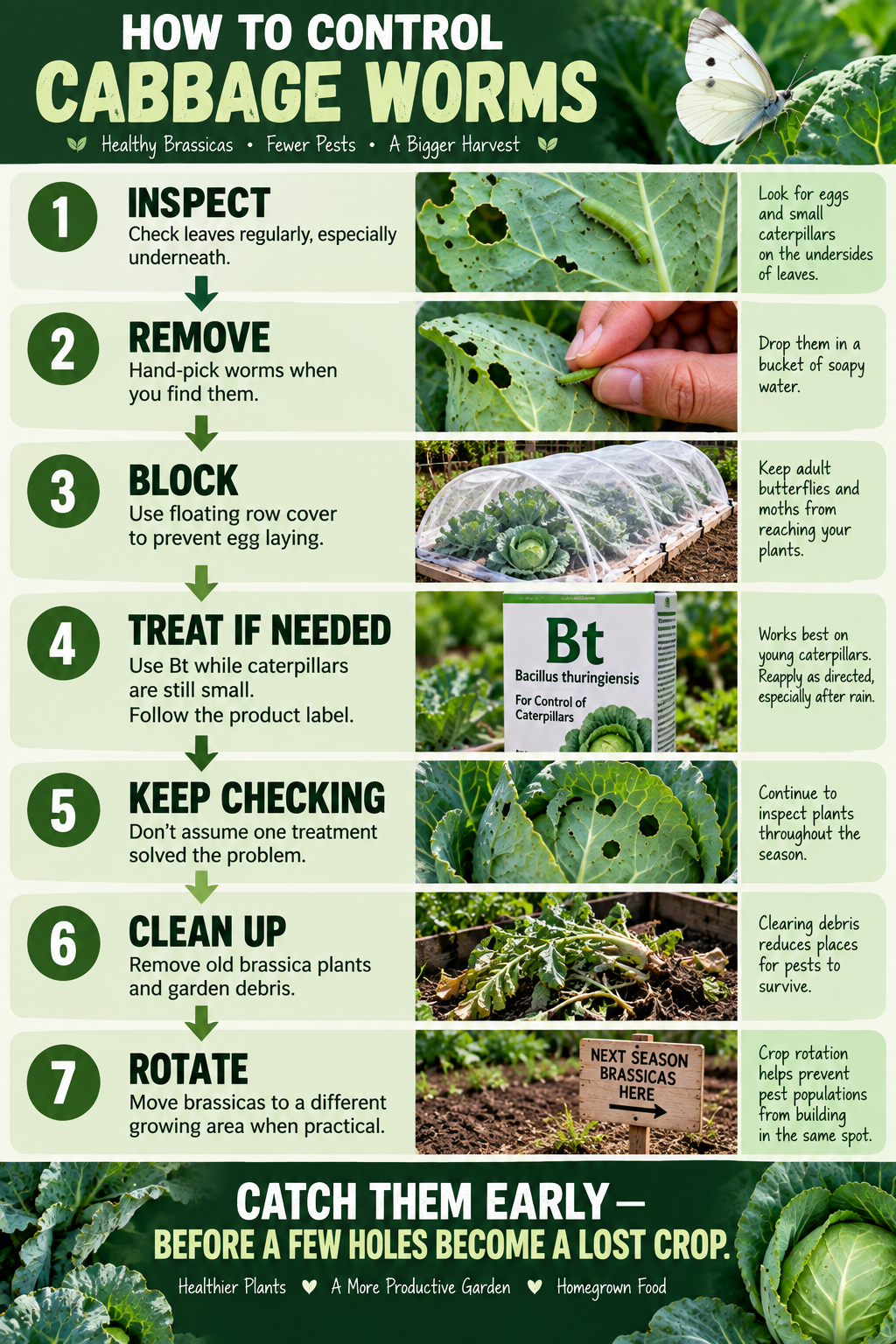
Cabbage worms can quickly damage cabbage, broccoli, cauliflower, kale, Brussels sprouts, and other brassicas. The first sign is usually irregular holes appearing in the leaves. Check plants regularly by turning over several leaves and inspecting the undersides, since this is where eggs and small caterpillars are often found. Pay particularly close attention once cabbage heads or other harvestable portions begin developing because feeding damage becomes more important at that stage.

f5770c22-df58-4a57-9722-cc2e1bd0f631

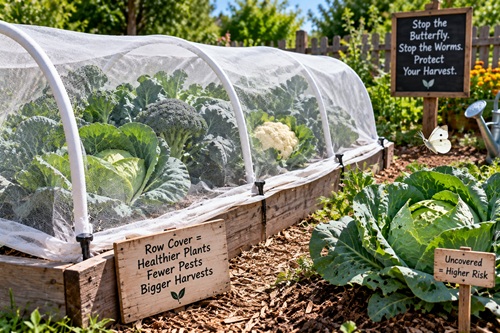
Remove any caterpillars you find by hand and continue checking the plants every few days. For better prevention, place a lightweight floating row cover over brassicas early enough to prevent adult butterflies and moths from reaching the plants and laying eggs. Secure the entire perimeter with soil, boards, landscape pins, or another suitable method because openings around the edges allow insects underneath. Leave enough loose material for the plants to continue growing.

934a5b79-f4f2-44d3-8c1d-6a741ab8e7f2

If caterpillars are still appearing, Bt (Bacillus thuringiensis) can be used as an additional control. Apply it while the caterpillars are still young, when it is most effective, and always follow the directions on the specific product label. Rain can wash Bt from the foliage, so check the label for instructions about reapplication. Rather than depending entirely on spraying, combine regular inspections, hand removal, physical barriers, and beneficial insects to provide several layers of protection.

Continue monitoring the plants throughout the growing season and remove old cabbage-family plants and debris after harvest. Rotating brassicas into a different garden area the following season can also help prevent pest populations from continually building in the same location. The basic approach is pretty simple: block the adults, check the leaves, remove caterpillars early, treat when necessary, and clean up the garden at the end of the season.

3cbee65b-6a30-4214-9c50-6f17560c818b

© Prepping Communities. This content is for informational purposes only and not professional advice. Use at your own risk.
Terms | Privacy | Guidelines

Leave a Reply

top