
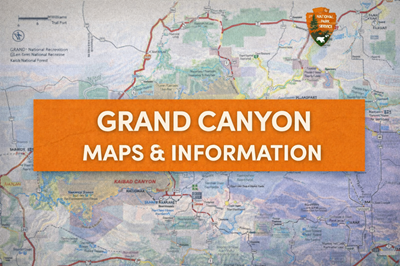
This collection of PDFs together provide a comprehensive overview of Grand Canyon National Park, combining large-scale regional mapping, detailed trail guidance, and practical visitor information for both the North Rim and South Rim. These documents work together as both a planning resource and a field guide for navigating one of the most extreme and iconic landscapes in the world.
The Grand Canyon area map (file0) gives a broad regional perspective, showing how the park fits within the surrounding Southwest, including nearby parks, highways, and major access routes. This map helps users understand travel logistics and the scale of the region, highlighting how remote and expansive the canyon system is. It places the park in context with other landmarks like Zion, Bryce Canyon, and Lake Mead, reinforcing its role as a central feature of the Colorado Plateau.
The “Hiking Into Grand Canyon” guide (file1) is heavily focused on safety, preparation, and survival in an extreme environment. As outlined on page 1, it emphasizes the importance of planning, fitness awareness, and knowing your limits before attempting hikes into the canyon. The checklists on page 2 detail essential gear—water, food, first aid, navigation tools—and stress the importance of balancing hydration and electrolytes. The guide also explains the harsh environmental conditions, including extreme heat at the canyon floor, steep elevation changes, and the dangers of attempting a rim-to-river hike in a single day. Seasonal sections further highlight how conditions vary dramatically, from intense summer heat to icy winter trails.
The trail and elevation diagrams (pages 4–5 of file1) provide detailed breakdowns of major routes like the Bright Angel, South Kaibab, and North Kaibab trails. These sections show distances, elevation changes, and estimated hiking times, making it clear how physically demanding these routes are. The visual diagram on page 5 effectively illustrates the canyon’s depth and difficulty, reinforcing the idea that descending is easy—but climbing out is significantly harder and more dangerous.
The North Rim and South Rim pocket maps (files2 and 3) focus on navigation, services, and infrastructure within the park. These maps show visitor centers, campgrounds, shuttle routes, viewpoints, and trailheads, along with detailed guidance on transportation systems like shuttle buses. They also include safety messaging about wildlife, weather, and staying away from cliff edges. The South Rim map, in particular, highlights how developed and accessible that side of the park is, while the North Rim guide emphasizes its more remote and seasonal nature.
Overall, these PDFs combine to form a complete navigation and survival-oriented resource. They provide everything from high-level geographic context to detailed trail planning and safety considerations. For hikers, travelers, or preppers, they clearly demonstrate that the Grand Canyon is not just a scenic destination—it is a demanding environment where preparation, awareness, and respect for the terrain are critical to staying safe.
© Prepping Communities. This content is for informational purposes only and not professional advice. Use at your own risk.
Terms | Privacy | Guidelines