
Alpine Living for SAR is a practical winter survival and alpine shelter guide focused on Search and Rescue (SAR) operations and emergency overnight survival in cold-weather environments. The document emphasizes the importance of prioritizing survival over comfort, especially during short-duration SAR missions where rescuers may unexpectedly spend a night in severe alpine conditions. The guide repeatedly stresses key survival fundamentals such as insulating yourself from the cold, staying hydrated, building thermally efficient shelters, maintaining proper nutrition, and understanding how to safely build fires in snow-covered terrain.
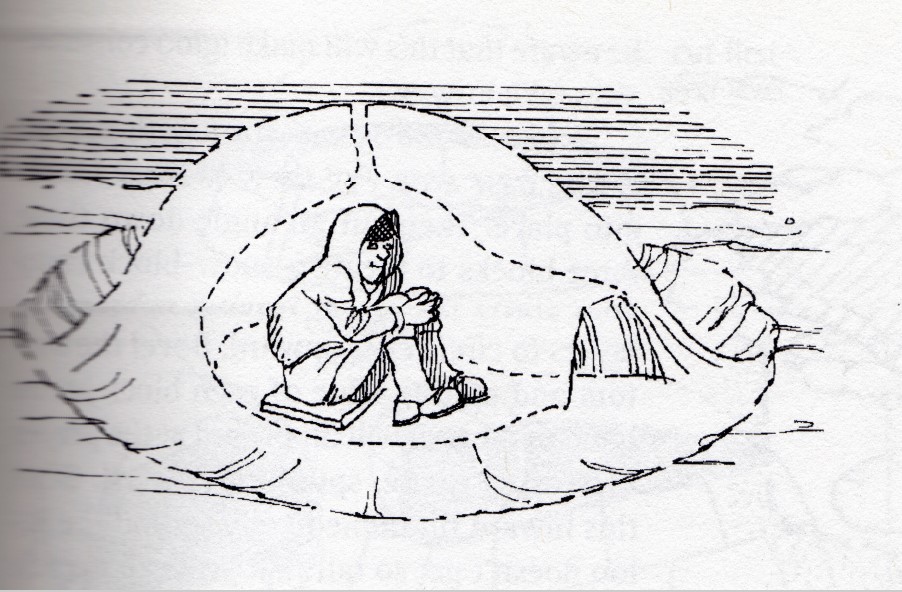
A major portion of the guide focuses on winter shelter systems and how different shelter designs affect warmth, safety, energy expenditure, and efficiency. The PDF compares tents, snow caves, tarps, trench shelters, mound shelters, and improvised snow shelters, explaining the advantages and disadvantages of each in alpine environments. It highlights the importance of ventilation, protection from wind, location selection, avalanche awareness, insulation from the ground, and shelter size. The guide demonstrates how properly designed snow trench shelters and tarp systems can provide excellent thermal efficiency while remaining lightweight and practical for SAR use. Numerous diagrams and real-world examples show how to construct shelters using snow, tarps, trekking poles, branches, and natural terrain features.
The document also provides detailed instruction on alpine camp systems and cold-weather sleeping strategies. It explains how heat loss occurs through conduction and wind exposure, why foam sleeping pads are critical, and how layered sleep systems dramatically improve overnight survivability. The guide recommends compact shelters that retain heat efficiently and discusses practical cold-weather habits such as eating before sleep, wearing dry socks and hats, and minimizing nighttime exposure. Special attention is given to keeping stove fuel warm in freezing conditions and using lightweight stoves for water boiling rather than cooking complex meals during SAR missions.
Another important section covers water purification and fire building in alpine environments. The PDF compares traditional purification methods such as boiling, iodine, and filtering alongside newer chemical purification systems. It explains how elevation affects boiling temperatures and cooking times, an important consideration for mountain survival. The fire-building section covers the fire triangle, fuel selection, tinder and kindling preparation, safe fire layouts, and several practical fire designs including teepee fires, Dakota hole fires, and long fires. Throughout the guide, the emphasis remains on lightweight, practical, field-tested survival techniques that can realistically be used during emergency alpine operations.
© Prepping Communities. This content is for informational purposes only and not professional advice. Use at your own risk.
Terms | Privacy | Guidelines