
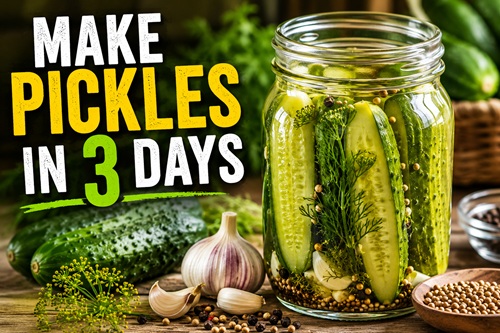
A Simple Homemade Pickle Recipe Anyone Can Make
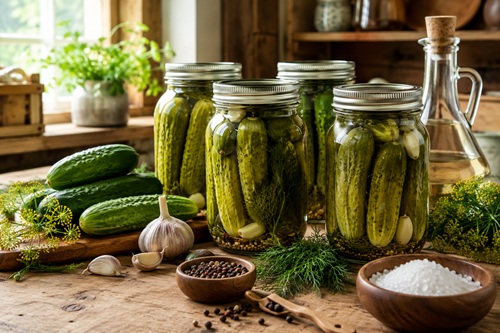
Fresh cucumbers are one of the most productive vegetables in many home gardens. During peak growing season, it’s common to harvest more cucumbers than can be eaten before they begin to soften. One of the easiest ways to preserve that harvest is by making refrigerator pickles.
Unlike traditional fermented pickles that require weeks of fermentation, refrigerator pickles use a vinegar brine that develops flavor in only a few days. They require very little equipment, no special canning supplies, and almost no previous experience. The result is a crisp, flavorful pickle that can be customized with your favorite herbs and spices.
For preppers, gardeners, and anyone interested in becoming more self-reliant, this recipe is an excellent introduction to food preservation. It allows you to extend the life of fresh vegetables, reduce food waste, and gain confidence before moving on to more advanced preservation methods.
Why Make Your Own Pickles?
Many commercial pickles contain preservatives, artificial colors, sweeteners, or unnecessary additives. Making them yourself allows complete control over every ingredient.
Homemade refrigerator pickles also offer several practical advantages.
- Fresh ingredients
- No artificial preservatives
- Easy to customize
- Ready in only a few days
- Excellent use of surplus garden cucumbers
- Lower cost than premium store brands
Because the recipe is so simple, many people find they never return to store-bought pickles.
Choosing the Best Cucumbers
The quality of your finished pickles begins with the cucumbers you choose.
Freshly picked cucumbers produce the crispest results. If possible, pickle them within 24 hours of harvesting. 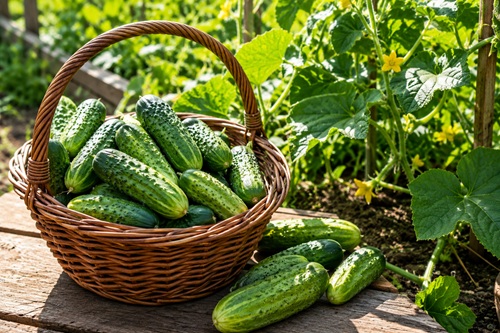
Small pickling cucumbers are usually the best choice because they have thinner skins, fewer seeds, and a firmer texture.
If using larger slicing cucumbers, remove any overly mature seeds before pickling.
Always discard cucumbers that are soft, bruised, or beginning to spoil.
Ingredients
- 8–10 small pickling cucumbers
- 2 cups white vinegar
- 2 cups water
- 2 tablespoons kosher or pickling salt
- 4 garlic cloves
- Fresh dill sprigs
- 1 teaspoon whole black peppercorns
- 1 teaspoon mustard seed (optional)
- ½ teaspoon crushed red pepper flakes (optional)
Equipment
- Glass quart jar with lid
- Small saucepan
- Cutting board
- Sharp knife
- Measuring cups and spoons
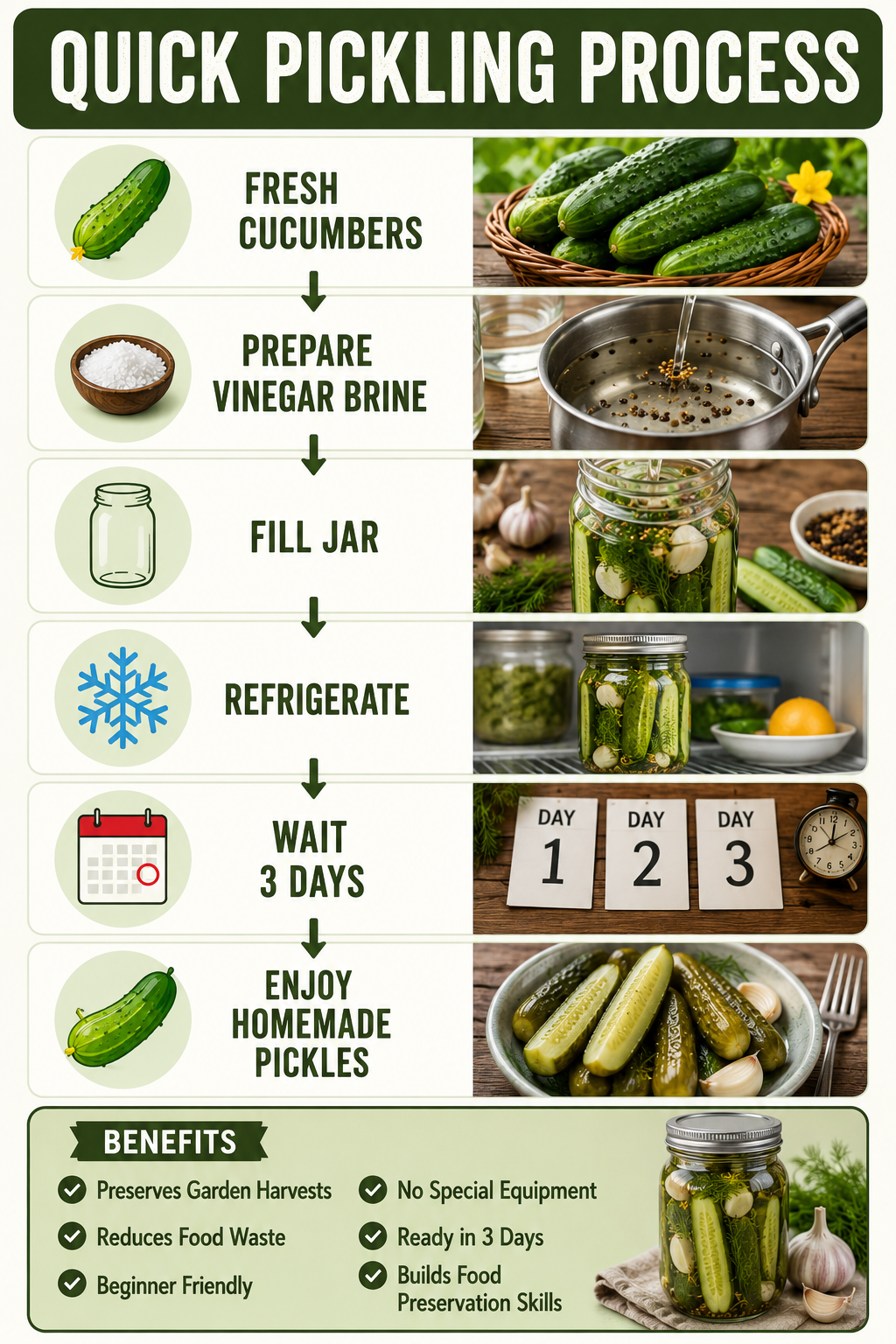
Step 1 — Prepare the Cucumbers
Wash the cucumbers thoroughly under cool running water.
Trim a thin slice from the blossom end of each cucumber. This small step helps maintain a firmer texture during storage.
Slice the cucumbers however you prefer:
- Spears
- Chips
- Sandwich slices
- Halves
- Whole (if very small)
Step 2 — Make the Brine
Combine the vinegar, water, and salt in a saucepan.
Heat gently while stirring until the salt completely dissolves.
There is no need to boil the mixture for an extended period.
Remove from the heat and allow it to cool for several minutes.
Step 3 — Fill the Jar
Place the garlic, dill, peppercorns, mustard seed, and any optional spices into the bottom of the jar.
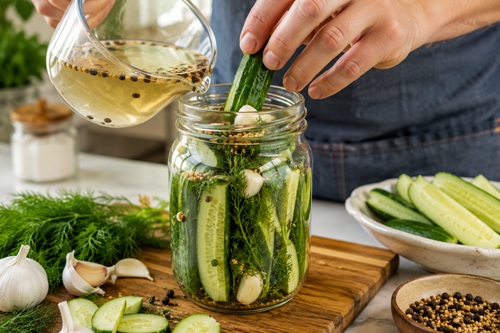
Pack the cucumbers tightly inside.
Pour the cooled brine over the cucumbers until they are completely covered.
Leave approximately ½ inch of space at the top of the jar.
Seal with a lid.
Step 4 — Refrigerate
Place the jar in the refrigerator immediately.
Although the pickles can be sampled after about 24 hours, the flavor continues to improve.
For best results:
- Day 1: Light pickle flavor
- Day 2: Better balance
- Day 3: Full flavor develops
Most people find the third day provides the ideal taste.
Storage
These are refrigerator pickles.
They should remain refrigerated at all times.
For the best texture and flavor, enjoy them within three to four weeks.
Always remove pickles using clean utensils to help prevent contamination.
Understanding Quick Pickles
This recipe produces what are commonly called refrigerator or quick pickles.
Instead of relying on fermentation, vinegar creates the acidic environment that preserves the cucumbers and gives them their familiar tangy flavor.
Because of this process:
- They develop quickly.
- They remain crisp.
- They are easy for beginners.
- The flavor is very consistent.
Quick pickles are perfect when you want great tasting pickles without waiting several weeks.
How Fermented Pickles Are Different
Traditional fermented pickles are made without vinegar.
Instead, cucumbers are submerged in a saltwater brine where naturally occurring bacteria slowly convert vegetable sugars into lactic acid.
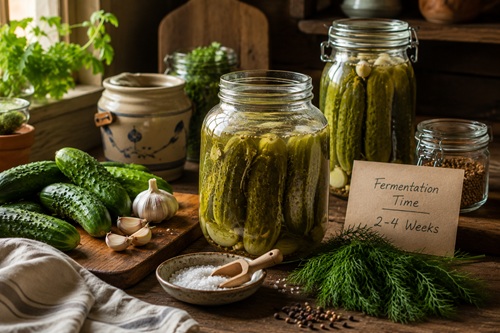
This process often takes several weeks.
Fermented pickles develop:
- A more complex sour flavor
- Living beneficial bacteria
- Different aromas and textures
- Naturally produced acids
Both methods have advantages. Refrigerator pickles provide speed and convenience, while fermented pickles emphasize traditional preservation and probiotic development.
Keeping Pickles Crisp
One of the most common complaints about homemade pickles is that they become soft.
Several simple practices can greatly improve texture.
Use the freshest cucumbers possible.
Trim the blossom end.
Keep the cucumbers completely submerged in the brine.
Refrigerate promptly.
Avoid overripe cucumbers with large seeds.
These simple habits usually produce noticeably crisper pickles.
Customize the Flavor
Once you understand the basic recipe, experimenting becomes part of the fun.
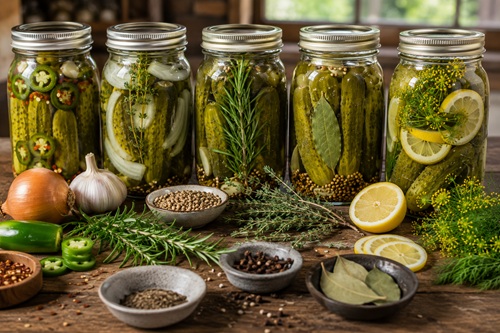
Consider adding:
- Jalapeño slices for heat
- Fresh onions
- Fresh thyme
- Rosemary
- Coriander seed
- Celery seed
- Bay leaves
- Fresh dill flowers
- Lemon slices
- Whole cloves
Small adjustments can create completely different flavor profiles while using the same basic brine.
Preparedness Benefits
Knowing how to pickle vegetables is a useful preparedness skill.
Gardens often produce more cucumbers than can be eaten immediately.
Instead of allowing excess produce to spoil, refrigerator pickling helps extend the harvest while adding variety to future meals.
Although these pickles are not intended for long-term shelf storage, the skills learned transfer directly to other preservation methods such as:
- Water-bath canning
- Pressure canning
- Traditional fermentation
- Dehydrating
- Root cellar storage
Each new preservation technique strengthens your overall food security.
Food Safety
Because these pickles are stored under refrigeration, they are straightforward to prepare safely.
Always begin with clean jars and fresh ingredients.
Discard any batch that develops mold, unusual odors, or signs of spoilage.
Do not attempt to store refrigerator pickles at room temperature.
If your goal is shelf-stable pickles, use an approved home canning recipe designed specifically for water-bath canning.
Key Takeaways
Making refrigerator pickles is one of the easiest ways to begin learning food preservation. With only a few ingredients and a couple of days, fresh cucumbers can be transformed into crisp, flavorful pickles that rival many commercial products.
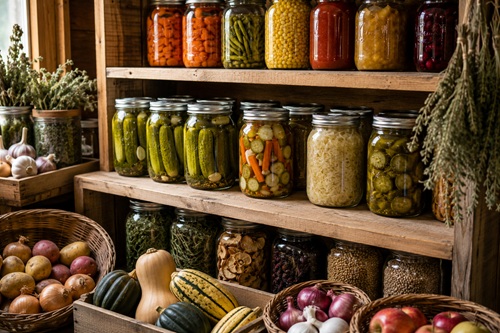
For gardeners, homesteaders, and preparedness-minded families, this simple recipe is more than a way to preserve vegetables – it is an introduction to practical food preservation skills that reduce waste, stretch seasonal harvests, and build confidence in the kitchen. Master this technique, then continue exploring traditional fermentation, canning, and other preservation methods as your experience grows.
© Prepping Communities. This content is for informational purposes only and not professional advice. Use at your own risk.
Terms | Privacy | Guidelines