
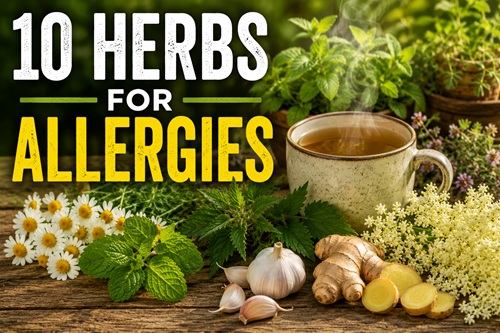
Seasonal allergies affect millions of people every year. As trees release pollen in the spring, grasses mature during the summer, and weeds spread their seeds in the fall, many individuals begin experiencing familiar symptoms such as sneezing, itchy eyes, nasal congestion, runny noses, and scratchy throats. While these symptoms are rarely life-threatening, they can interfere with sleep, reduce productivity, and make spending time outdoors far less enjoyable.
For generations, people have looked to nature for ways to stay comfortable during allergy season. Long before modern medications were available, many cultures relied on herbs, teas, tinctures, and nutritious foods to support overall wellness and help the body adapt to seasonal changes. Although scientific research continues to investigate many of these traditional remedies, herbal preparations should not be viewed as cures or replacements for medical treatment. Instead, they can often be considered part of a broader wellness strategy that includes healthy eating, adequate hydration, proper rest, and reducing exposure to environmental allergens.
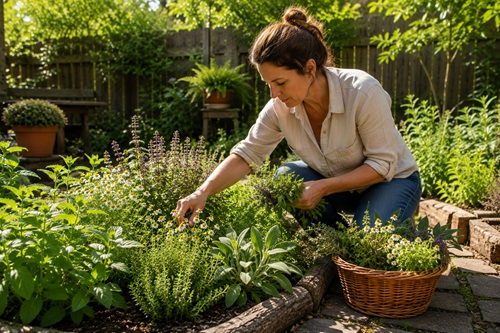
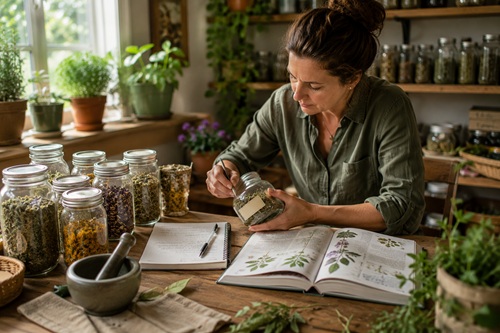
For preparedness-minded families, learning about medicinal herbs offers another valuable benefit. Many useful herbs can be grown in a home garden, dried for long-term storage, or purchased inexpensively and kept in a well-stocked pantry. Knowing how to identify, prepare, and safely use traditional herbal remedies helps build self-reliance while preserving knowledge that has been passed from one generation to the next.
This guide introduces ten herbs that have been traditionally associated with seasonal wellness. It also explains how they have commonly been used, how they are typically prepared, and important safety considerations to remember before adding any herbal remedy to your routine.
Understanding Seasonal Allergies
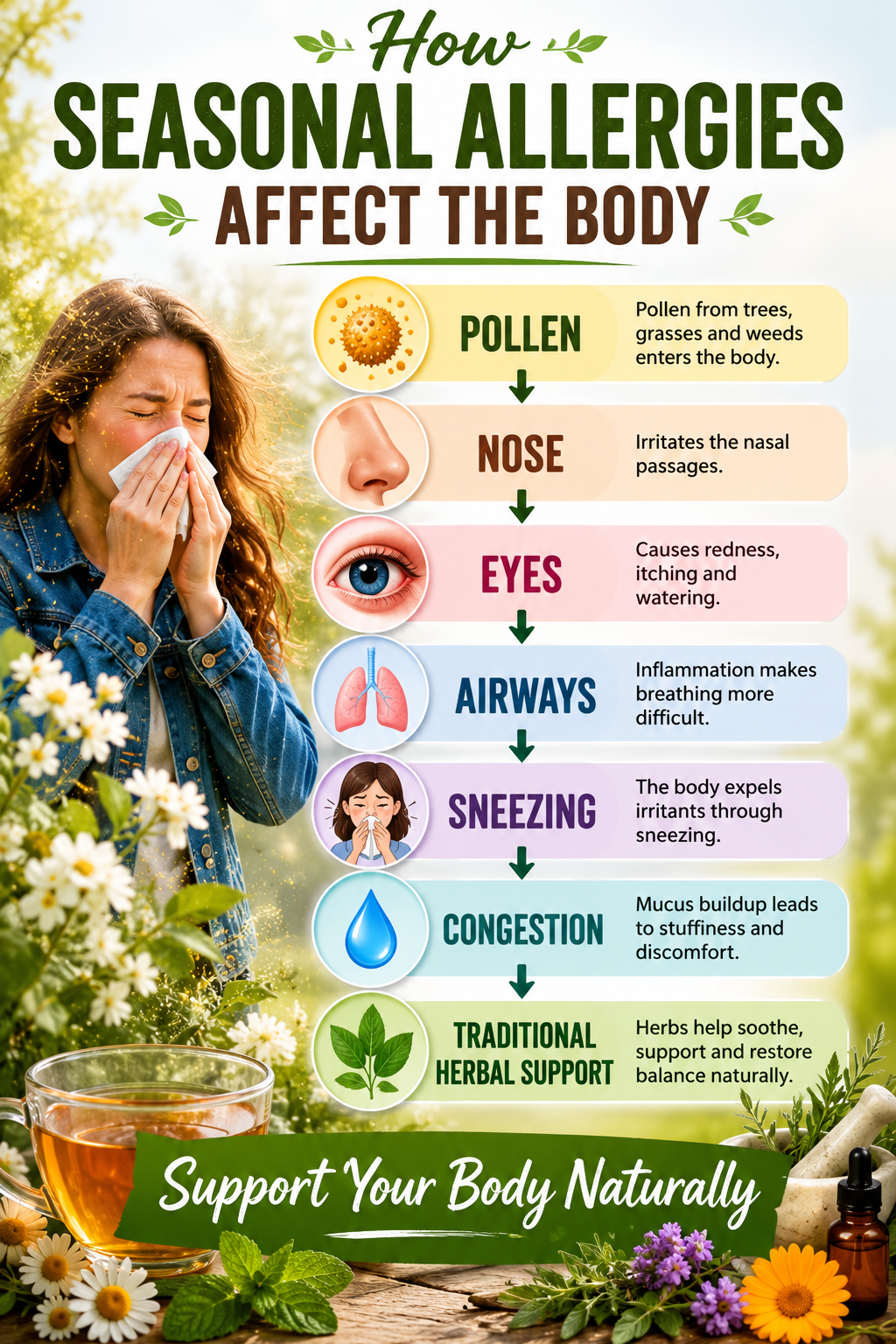
Seasonal allergies occur when the immune system reacts to substances that are generally harmless to most people. Pollen from trees, grasses, and flowering plants is one of the most common triggers, although mold spores, dust, and animal dander may also contribute. When sensitive individuals inhale these particles, the immune system responds by releasing chemicals that produce inflammation and the familiar symptoms of allergy season.
The severity of allergies varies considerably from person to person. Some individuals experience only mild sneezing for a few weeks each year, while others struggle with congestion, watery eyes, coughing, headaches, or fatigue throughout an entire season. Weather also plays an important role. Warm, windy days often carry large amounts of airborne pollen, while rainfall may temporarily reduce pollen levels before encouraging new plant growth.
Many people manage their allergies with over-the-counter medications prescribed by their healthcare providers. Others choose to complement conventional treatment with traditional herbal preparations, healthy nutrition, and lifestyle adjustments. These approaches are not mutually exclusive, and many families successfully combine several strategies under the guidance of a qualified healthcare professional.
Regardless of the approach taken, understanding your personal allergy triggers remains one of the most effective ways to reduce symptoms. Monitoring pollen forecasts, keeping windows closed during peak pollen periods, showering after outdoor activities, and using high-efficiency air filtration systems can often make a noticeable difference before any herbal preparation is even considered.
How Herbs May Support Seasonal Wellness
Herbs have been used throughout human history for a wide variety of purposes, including cooking, food preservation, traditional medicine, and general wellness. While every herb contains its own unique combination of naturally occurring compounds, many have historically been valued because they support the body’s normal responses to seasonal changes rather than simply masking symptoms.
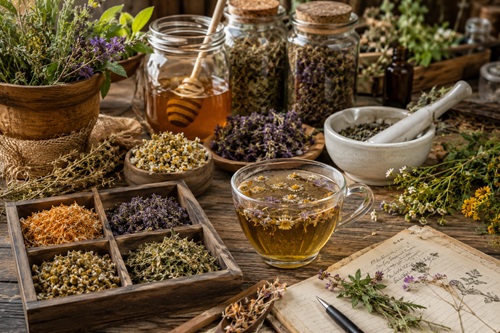
Some herbs have traditionally been prepared as teas, allowing their aromatic compounds to be gently extracted into hot water. Others are commonly made into tinctures, capsules, syrups, or infused honeys that preserve their beneficial properties for longer periods. Many culinary herbs also provide nutritional value when incorporated into everyday meals, making them easy additions to a healthy diet.
It is important to recognize that herbal remedies often work differently than pharmaceutical medications. Rather than producing rapid symptom relief, many herbal preparations have traditionally been used consistently over time as part of an overall wellness routine. Results vary significantly between individuals, and what works well for one person may not produce the same experience for another.
Before beginning any herbal regimen, especially if you take prescription medications, are pregnant or nursing, or have chronic medical conditions, consult a qualified healthcare professional. Even natural products can interact with medications or may not be appropriate for everyone.
1. Stinging Nettle
Despite its intimidating name, stinging nettle has earned a respected place in traditional herbal medicine. Once dried or cooked, the tiny hairs responsible for its sting lose their irritating effect, leaving behind a highly nutritious herb rich in vitamins, minerals, and plant compounds. For generations, herbalists have prepared nettle as a tea or capsule during allergy season because it has traditionally been associated with supporting normal inflammatory responses.
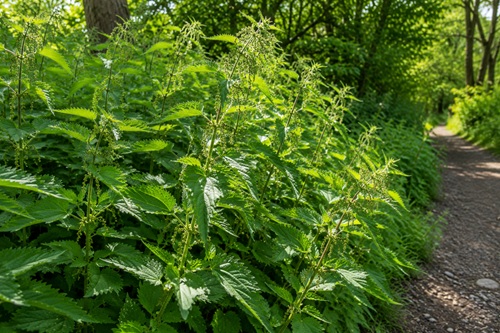
In addition to its traditional use for seasonal wellness, stinging nettle is often appreciated as a nutritious spring green. Young leaves can be cooked similarly to spinach, providing iron, calcium, magnesium, and several vitamins. Because fresh nettle can cause skin irritation, proper harvesting techniques and protective gloves should always be used.
Many preparedness gardeners intentionally cultivate small patches of nettle because it grows vigorously in suitable conditions and provides both nutritional and traditional herbal value. Dried leaves also store well for future use, making nettle a practical addition to an emergency herbal pantry.
10 Herbs Traditionally Used to Support Seasonal Allergy Wellness
Seasonal allergies affect millions of people every year. As trees release pollen in the spring, grasses mature during the summer, and weeds spread their seeds in the fall, many individuals begin experiencing familiar symptoms such as sneezing, itchy eyes, nasal congestion, runny noses, and scratchy throats. While these symptoms are rarely life-threatening, they can interfere with sleep, reduce productivity, and make spending time outdoors far less enjoyable.
For generations, people have looked to nature for ways to stay comfortable during allergy season. Long before modern medications were available, many cultures relied on herbs, teas, tinctures, and nutritious foods to support overall wellness and help the body adapt to seasonal changes. Although scientific research continues to investigate many of these traditional remedies, herbal preparations should not be viewed as cures or replacements for medical treatment. Instead, they can often be considered part of a broader wellness strategy that includes healthy eating, adequate hydration, proper rest, and reducing exposure to environmental allergens.
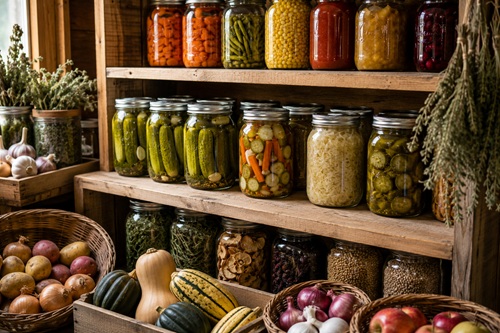
For preparedness-minded families, learning about medicinal herbs offers another valuable benefit. Many useful herbs can be grown in a home garden, dried for long-term storage, or purchased inexpensively and kept in a well-stocked pantry. Knowing how to identify, prepare, and safely use traditional herbal remedies helps build self-reliance while preserving knowledge that has been passed from one generation to the next.
This guide introduces ten herbs that have been traditionally associated with seasonal wellness. It also explains how they have commonly been used, how they are typically prepared, and important safety considerations to remember before adding any herbal remedy to your routine.
Understanding Seasonal Allergies
Seasonal allergies occur when the immune system reacts to substances that are generally harmless to most people. Pollen from trees, grasses, and flowering plants is one of the most common triggers, although mold spores, dust, and animal dander may also contribute. When sensitive individuals inhale these particles, the immune system responds by releasing chemicals that produce inflammation and the familiar symptoms of allergy season.
The severity of allergies varies considerably from person to person. Some individuals experience only mild sneezing for a few weeks each year, while others struggle with congestion, watery eyes, coughing, headaches, or fatigue throughout an entire season. Weather also plays an important role. Warm, windy days often carry large amounts of airborne pollen, while rainfall may temporarily reduce pollen levels before encouraging new plant growth.
Many people manage their allergies with over-the-counter medications prescribed by their healthcare providers. Others choose to complement conventional treatment with traditional herbal preparations, healthy nutrition, and lifestyle adjustments. These approaches are not mutually exclusive, and many families successfully combine several strategies under the guidance of a qualified healthcare professional.
Regardless of the approach taken, understanding your personal allergy triggers remains one of the most effective ways to reduce symptoms. Monitoring pollen forecasts, keeping windows closed during peak pollen periods, showering after outdoor activities, and using high-efficiency air filtration systems can often make a noticeable difference before any herbal preparation is even considered.
How Herbs May Support Seasonal Wellness
Herbs have been used throughout human history for a wide variety of purposes, including cooking, food preservation, traditional medicine, and general wellness. While every herb contains its own unique combination of naturally occurring compounds, many have historically been valued because they support the body’s normal responses to seasonal changes rather than simply masking symptoms.
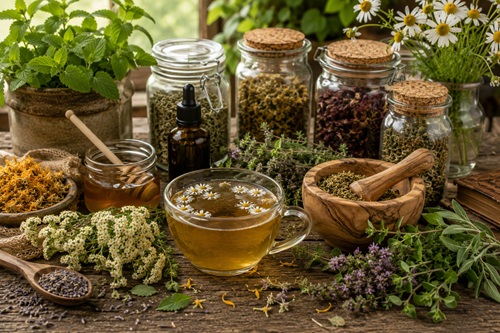
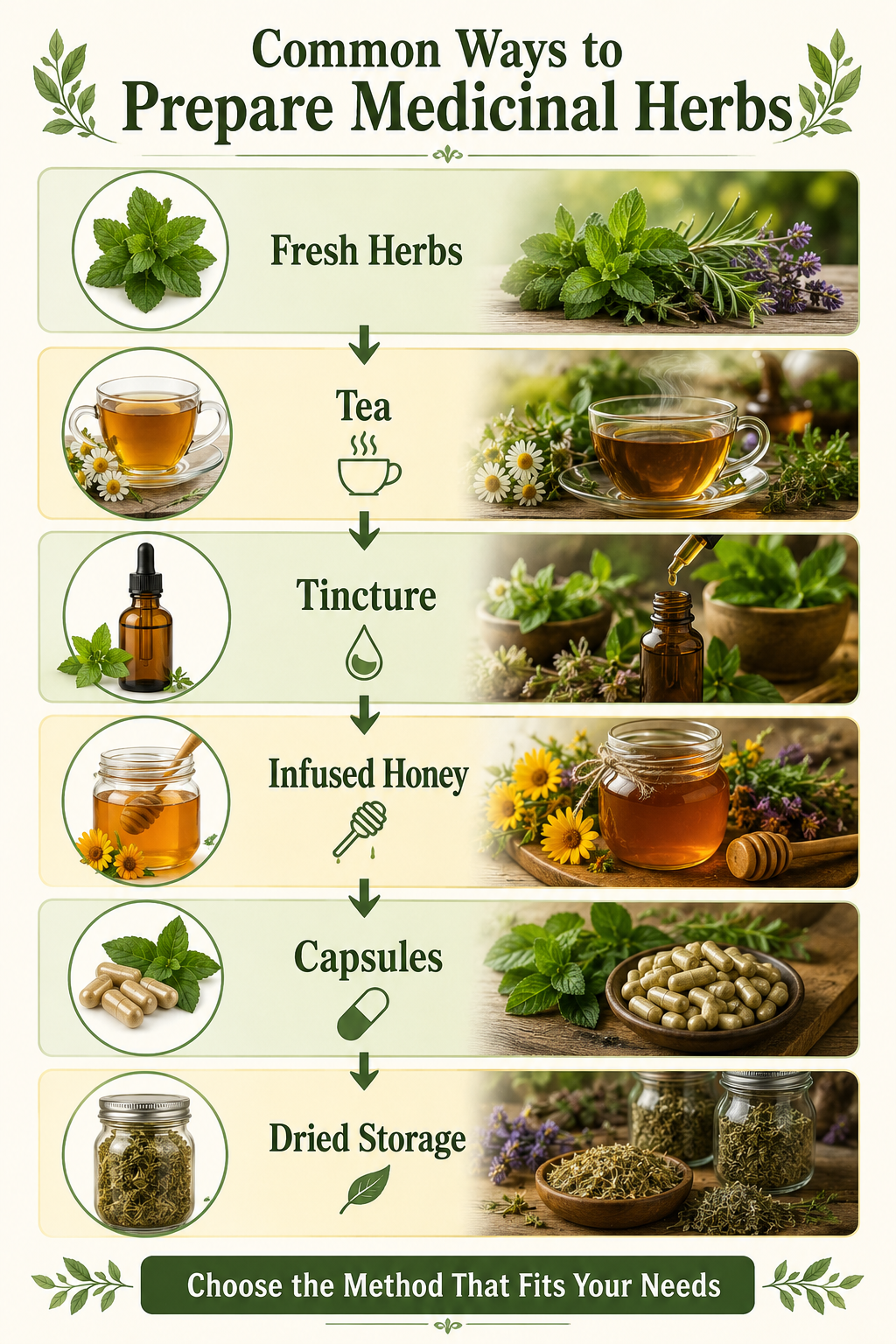
Some herbs have traditionally been prepared as teas, allowing their aromatic compounds to be gently extracted into hot water. Others are commonly made into tinctures, capsules, syrups, or infused honeys that preserve their beneficial properties for longer periods. Many culinary herbs also provide nutritional value when incorporated into everyday meals, making them easy additions to a healthy diet.
It is important to recognize that herbal remedies often work differently than pharmaceutical medications. Rather than producing rapid symptom relief, many herbal preparations have traditionally been used consistently over time as part of an overall wellness routine. Results vary significantly between individuals, and what works well for one person may not produce the same experience for another.
Before beginning any herbal regimen, especially if you take prescription medications, are pregnant or nursing, or have chronic medical conditions, consult a qualified healthcare professional. Even natural products can interact with medications or may not be appropriate for everyone.
1. Stinging Nettle
Despite its intimidating name, stinging nettle has earned a respected place in traditional herbal medicine. Once dried or cooked, the tiny hairs responsible for its sting lose their irritating effect, leaving behind a highly nutritious herb rich in vitamins, minerals, and plant compounds. For generations, herbalists have prepared nettle as a tea or capsule during allergy season because it has traditionally been associated with supporting normal inflammatory responses.
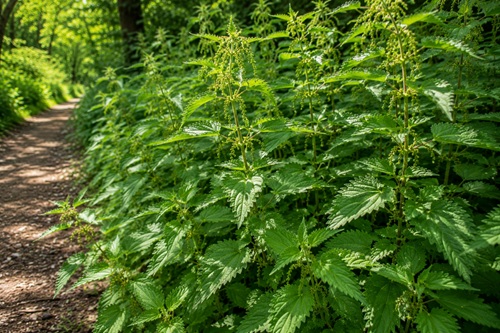
In addition to its traditional use for seasonal wellness, stinging nettle is often appreciated as a nutritious spring green. Young leaves can be cooked similarly to spinach, providing iron, calcium, magnesium, and several vitamins. Because fresh nettle can cause skin irritation, proper harvesting techniques and protective gloves should always be used.
Many preparedness gardeners intentionally cultivate small patches of nettle because it grows vigorously in suitable conditions and provides both nutritional and traditional herbal value. Dried leaves also store well for future use, making nettle a practical addition to an emergency herbal pantry.
2. Elderflower
For centuries, elderflower has been one of Europe’s most valued traditional herbs for seasonal wellness. The delicate white blossoms of the elder tree have commonly been brewed into teas and syrups during the spring and early summer, when seasonal allergies and respiratory discomfort often become more noticeable. While many people recognize elderberries for their popularity during cold and flu season, the flowers themselves have their own long history of traditional use.
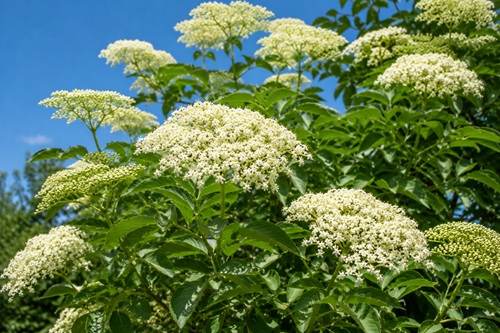
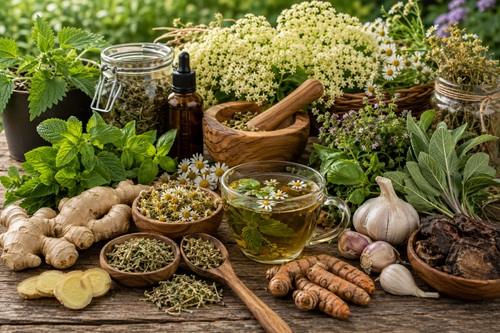
Elderflower tea has traditionally been enjoyed as a warm beverage that supports overall comfort during periods of seasonal pollen exposure. Its pleasant floral aroma also makes it a favorite ingredient in herbal tea blends, often paired with peppermint, chamomile, or lemon balm for a soothing drink.
The blossoms should always be harvested from correctly identified elder trees and only from locations free of pesticides or roadside contamination. Because some parts of the elder plant can be toxic if improperly prepared, careful identification is essential before harvesting any wild specimens.
3. Peppermint
Peppermint is one of the most familiar herbs found in home gardens and kitchen cupboards, yet it has been valued for much more than its refreshing flavor. The natural menthol found in peppermint creates a cooling sensation that many people find soothing during allergy season, particularly when nasal passages feel congested.
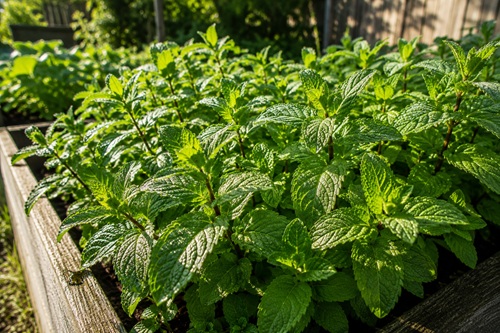
A warm cup of peppermint tea can be both relaxing and refreshing. The aromatic steam may provide temporary comfort while the herb itself has long been associated with supporting normal digestion and overall wellness. Some individuals also enjoy adding fresh peppermint leaves to cold water or homemade herbal infusions during warmer months.
Peppermint grows vigorously in many climates and is one of the easiest medicinal herbs to cultivate. Because it spreads quickly through underground runners, many gardeners prefer growing it in containers to prevent it from taking over nearby garden beds. Once harvested, the leaves dry well and retain much of their flavor for future use.
4. Chamomile
Chamomile has earned a reputation as one of the gentlest herbs in traditional herbal medicine. Known primarily for its calming qualities, chamomile has been enjoyed for centuries as an evening tea that encourages relaxation and restful sleep. During allergy season, adequate rest becomes especially important because ongoing congestion and discomfort often interfere with normal sleep patterns.
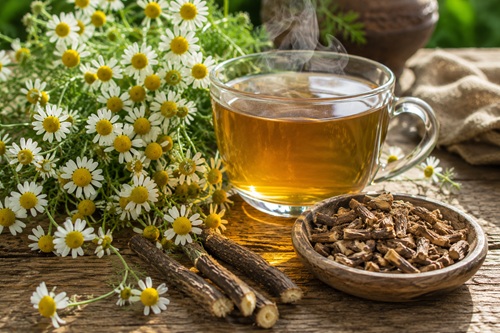
Beyond its calming properties, chamomile contains naturally occurring plant compounds that have attracted scientific interest for their potential role in supporting healthy inflammatory responses. While research continues, many herbalists continue recommending chamomile as part of a balanced wellness routine because of its long history of safe traditional use.
Chamomile is remarkably easy to grow in many home gardens. Its small white flowers resemble miniature daisies and can be harvested throughout the growing season. Once dried, the blossoms store exceptionally well in airtight containers, providing flavorful herbal tea throughout the year.
People who have allergies to plants within the daisy family should exercise caution before using chamomile, as cross-reactivity can occasionally occur.
5. Licorice Root
Licorice root has been used throughout Asia, Europe, and the Middle East for thousands of years. Unlike the artificial licorice flavor found in many candies, true licorice root has a naturally sweet taste and has traditionally been incorporated into herbal teas, syrups, and wellness formulas.
Herbal practitioners have historically valued licorice because of its soothing qualities, particularly for the throat and respiratory system. It is frequently included in herbal tea blends designed to provide comfort during seasonal changes or periods of temporary irritation. Its naturally sweet flavor also helps improve the taste of more bitter herbs when used in combination.
Despite its long history of traditional use, licorice is not appropriate for everyone. Regular consumption of large amounts may affect blood pressure or interact with certain medications. Individuals with heart disease, kidney disease, or high blood pressure should consult their healthcare provider before using licorice preparations regularly.
For preparedness purposes, dried licorice root stores well for extended periods when protected from heat and moisture, making it a useful addition to a home herbal pantry.
6. Ginger
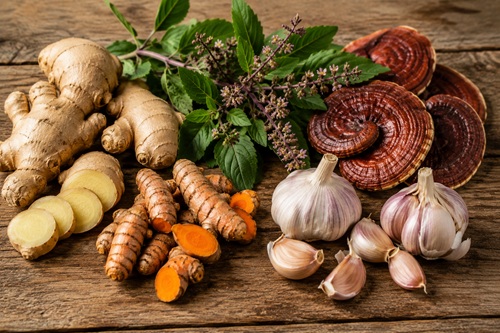
Ginger is one of the world’s most widely used medicinal and culinary plants. Its warm, slightly spicy flavor has made it a staple in kitchens for centuries, while traditional herbal medicine has valued ginger for supporting digestion, circulation, and general wellness.
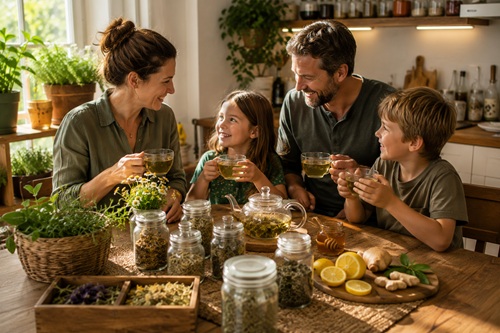
Many people enjoy ginger tea during allergy season because the warm beverage itself can feel comforting while ginger’s aromatic compounds add a pleasant, invigorating flavor. Fresh ginger slices can be steeped in hot water with honey and lemon to create a simple homemade herbal drink that many families enjoy throughout the colder months as well as during allergy season.
Growing ginger outdoors is possible in warm climates, while gardeners in cooler regions often cultivate it in containers that can be brought indoors when temperatures drop. Fresh rhizomes also keep well when refrigerated and can be dehydrated for long-term storage.
Because ginger is both a food and a traditional herb, it fits naturally into a preparedness lifestyle. Whether added to soups, stir-fries, baked goods, or herbal teas, it provides versatility while helping build a well-stocked pantry.
© Prepping Communities. This content is for informational purposes only and not professional advice. Use at your own risk.
Terms | Privacy | Guidelines