
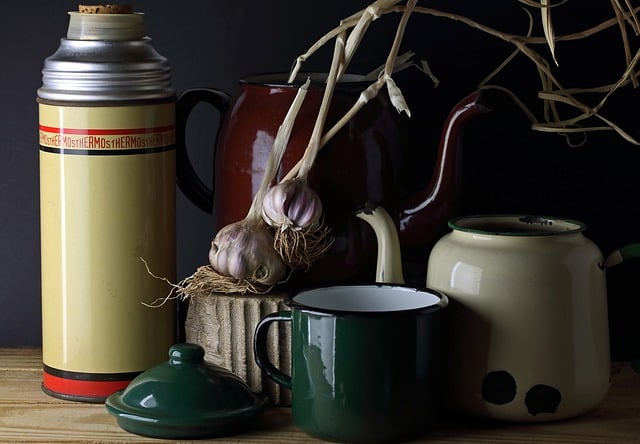
Thermos Bottle Cooking is a short practical guide that explains how to use a high-quality insulated thermos bottle as a low-energy cooking device. The concept is simple: food is briefly brought to a boil, transferred into a well-insulated thermos, and allowed to continue cooking slowly using retained heat. The guide promotes thermos cooking as an economical, energy-efficient method for preparing grains, stews, rice dishes, vegetables, and other meals with minimal fuel consumption.
The author recommends using a durable stainless-steel vacuum bottle rather than glass-lined or foam-insulated thermoses. The guide explains that most foods continue cooking effectively at temperatures well below boiling and suggests that slower cooking may preserve more vitamins and nutrients than prolonged high-temperature cooking. Particular emphasis is placed on energy savings, claiming that foods requiring lengthy stove cooking can often be prepared with only a few minutes of active heating followed by passive cooking inside the thermos.
The article provides detailed instructions for preparing whole wheat, brown rice, stews, and simple meals. Readers are shown how to determine the proper water level, prepare a homemade funnel, bring ingredients to a rolling boil, and transfer them safely into the thermos for overnight cooking. Several example recipes are included, including whole wheat breakfasts, vegetable stews, meat-and-vegetable combinations, and sweet rice dishes made with raisins and powdered milk.
The final section discusses the broader benefits of thermos cooking, including reduced kitchen heat, lower fuel consumption, usefulness during power shortages, convenience while camping, and reduced cooking odors. The guide presents thermos cooking as a practical preparedness skill for conserving fuel and producing nutritious meals during emergencies or off-grid situations.
© Prepping Communities. This content is for informational purposes only and not professional advice. Use at your own risk.
Terms | Privacy | Guidelines