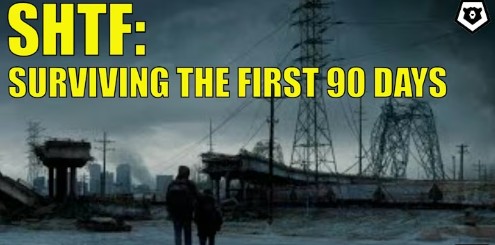
This breakdown lays out a hard reality: the first 90 days after a collapse are about staying alive through preparation, discipline, and low visibility—stockpiling food, securing reliable water (3–5 gallons per person per day plus resupply), and maintaining fuel for heat and mobility. It emphasizes avoiding unnecessary conflict, building strong communication and intel networks, and relying on prevention and medical readiness rather than expecting hospitals to function. After that initial window, the threats become more capable, so the focus shifts to training, organization, and staying unseen—because in the long run, survival depends on preparation, awareness, and working with others, not reacting alone.