
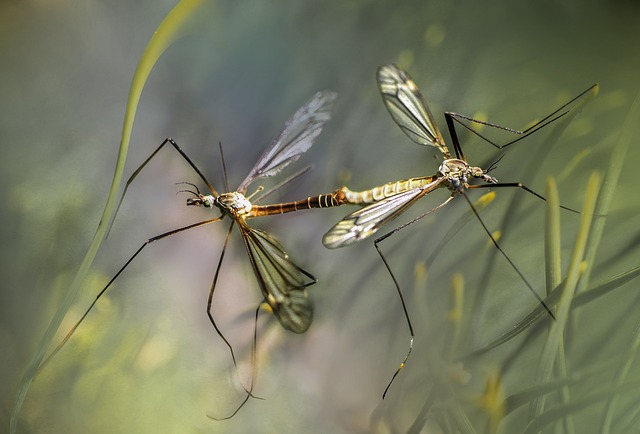
Protection Against Mosquitoes, Ticks, & Other Insects & Arthropods is a CDC travel-health guidance document that explains how to reduce the risk of insect and tick bites and the diseases they may transmit. The publication focuses on practical prevention measures for mosquitoes, ticks, bed bugs, and other biting arthropods that can spread illnesses such as malaria, dengue, chikungunya, yellow fever, Lyme disease, and other vector-borne diseases.
The document emphasizes that vaccines and medications are not available for many insect-borne diseases, making bite prevention the primary defense. Recommended protective measures include wearing long sleeves and pants, avoiding peak biting times, staying away from high-risk areas when possible, conducting regular tick checks, and using properly installed bed nets in locations where insects are common. The publication stresses that reducing exposed skin is one of the simplest and most effective forms of protection.
A major section discusses insect repellents. The CDC recommends EPA-registered products containing active ingredients such as:
- DEET
- Picaridin
- Oil of Lemon Eucalyptus (OLE/PMD)
- IR3535
The document explains how effectiveness varies by concentration, environmental conditions, perspiration, and insect species. It also discusses proper application methods and safety precautions for adults and children.
Another important section covers permethrin-treated clothing and gear. The guide notes that permethrin-treated clothing, bed nets, tents, and outdoor equipment can repel and kill mosquitoes, ticks, and other biting insects. The publication distinguishes permethrin from skin repellents and stresses that permethrin should only be applied to fabrics, not directly to the skin.
The document also includes a detailed discussion of bed bugs, explaining how infestations spread through travel and lodging. It provides practical recommendations for inspecting hotel rooms, managing luggage, and reducing the likelihood of transporting bed bugs back home. While bed bugs are not known disease vectors, the publication notes that they can cause allergic reactions, emotional stress, and expensive infestations.
Overall, this is a practical public-health guide that combines disease prevention, personal protection, travel safety, and pest management into a single reference document.
© Prepping Communities. This content is for informational purposes only and not professional advice. Use at your own risk.
Terms | Privacy | Guidelines