
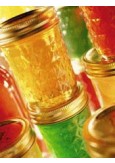
Processing Jams and Jellies is a food preservation guide produced by the University of Georgia Cooperative Extension Service that explains modern, safe methods for canning homemade jams and jellies. The publication focuses on reducing spoilage, preventing mold growth, improving shelf life, and ensuring safe long-term storage of fruit preserves.
The guide begins by explaining that while sugar acts as a preservative, it does not completely prevent mold growth. Historically, many home canners used paraffin wax seals on jams and jellies, but the publication states that wax sealing is no longer considered an acceptable preservation method because cracks, shrinkage, or pinholes in the wax can allow mold contamination. Instead, the guide recommends using modern Mason jars with self-sealing metal lids and processing them in a boiling water bath canner.
The publication provides a detailed step-by-step process for preparing jars, sterilizing equipment, filling jars with hot jam or jelly, sealing them properly, and processing them in boiling water. Particular attention is given to maintaining proper temperatures, leaving the correct headspace, keeping jar rims clean, and processing filled jars for the recommended amount of time to ensure a strong vacuum seal. The guide notes that pre-sterilized jars require a shorter processing time and may help preserve the quality of lower-pectin fruit products.
A significant section addresses common alternative sealing methods, including inverting hot jars to create seals. While acknowledging that inversion sometimes works, the publication explains that boiling-water processing creates stronger seals, removes more oxygen from the jar, reduces spoilage risk, and provides more consistent results. The guide also discusses mold contamination and notes that some molds can produce mycotoxins, reinforcing the importance of proper canning practices.
The publication concludes that the safest and most reliable approach for room-temperature storage of jams and jellies is to use standard canning jars, self-sealing lids, hot filling procedures, and boiling-water processing. These methods provide the highest quality product while minimizing spoilage and health risks.
© Prepping Communities. This content is for informational purposes only and not professional advice. Use at your own risk.
Terms | Privacy | Guidelines