
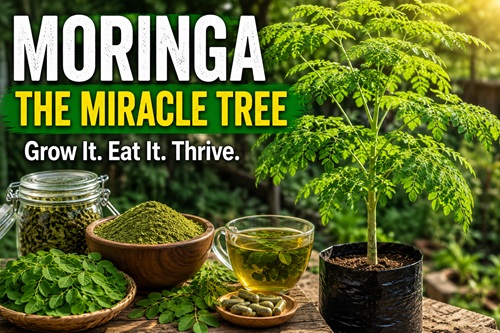
A Nutrient-Rich Plant That Deserves a Place in Every Preparedness Garden
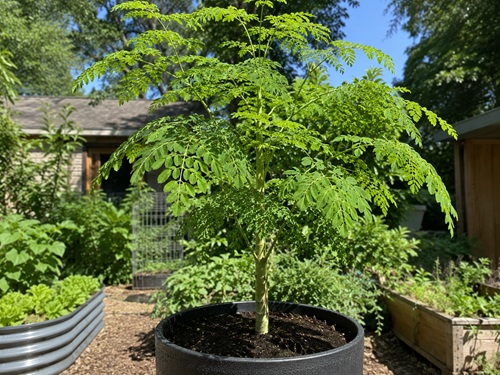
Moringa (Moringa oleifera), often called the “Miracle Tree,” is one of the most versatile and nutritious plants that can be grown. Native to tropical and subtropical regions, nearly every part of the tree is useful. Its leaves, seeds, flowers, and pods have been used for generations as a source of food, nutrition, and traditional wellness. For preppers, homesteaders, and gardeners, moringa offers an excellent combination of rapid growth, easy maintenance, and long-term food security.
Growing Moringa Successfully
Moringa grows best in full sunlight, requiring approximately 6 to 8 hours of direct sun each day. Choose a location that receives plenty of light throughout the growing season.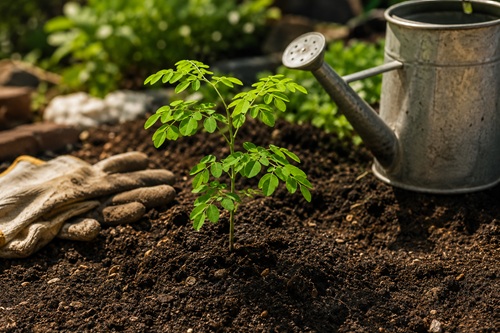
The tree prefers well-draining, loose, fertile soil. Heavy clay soils that remain waterlogged can damage the roots, so improving drainage with compost or coarse organic material is recommended if necessary.
Water young trees regularly to keep the soil slightly moist but never soggy. Once established, moringa becomes remarkably drought tolerant and requires much less supplemental watering than many garden crops.
Moringa thrives in warm climates, growing best in temperatures between 24°C and 35°C (75°F to 95°F). In cooler regions it can be grown as a large container plant and moved indoors during cold weather.
Regular pruning encourages a shorter, bushier tree with many more branches and leaves. Frequent harvesting actually improves production by stimulating new growth.
Why Grow Moringa?
Moringa has earned its reputation because of its impressive nutritional profile. The leaves are rich in vitamins, minerals, antioxidants, plant protein, and fiber. Many people grow moringa as part of a self-reliance garden because it provides a dependable source of highly nutritious greens throughout much of the growing season.
Benefits include:
- Rich source of vitamins and minerals
- Contains powerful natural antioxidants
- Provides nutritious edible leaves
- Easy to grow and maintain
- Produces abundant harvests under proper conditions
Ways to Use Moringa
One of moringa’s greatest advantages is its versatility.
Fresh leaves can be added to salads, soups, stir-fries, omelets, smoothies, and cooked vegetable dishes.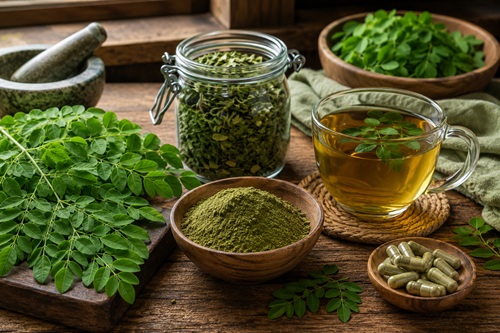
Leaves may also be dried and ground into powder, making it easy to add to smoothies, juices, soups, baked goods, and everyday meals.
Many people prepare moringa tea by steeping dried leaves in hot water for a nutritious herbal beverage.
The dried leaves can also be stored for long-term use in airtight containers, while some individuals encapsulate powdered leaves for convenient dietary supplements.
Basic Planting Steps
Growing moringa is straightforward:
- Dig a planting hole approximately 30–45 cm (12–18 inches) deep and wide.
- Place the young plant into the hole.
- Backfill with loose soil and gently firm around the roots.
- Water thoroughly after planting.
- Continue growing in a sunny location while watering as needed until established.
Preparedness Perspective
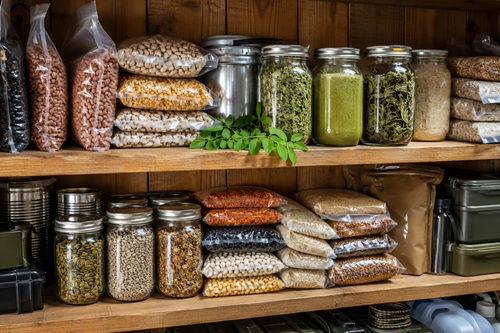
For preparedness-minded gardeners, moringa offers an outstanding combination of nutrition, rapid growth, drought tolerance, and multiple uses. Whether eaten fresh, dried for long-term storage, brewed as tea, or processed into powder, moringa can provide an ongoing source of nutritious food from a single tree. While it should not be viewed as a complete food source, it makes an excellent addition to a diverse preparedness garden and contributes to greater self-sufficiency and food resilience over the long term
© Prepping Communities. This content is for informational purposes only and not professional advice. Use at your own risk.
Terms | Privacy | Guidelines