
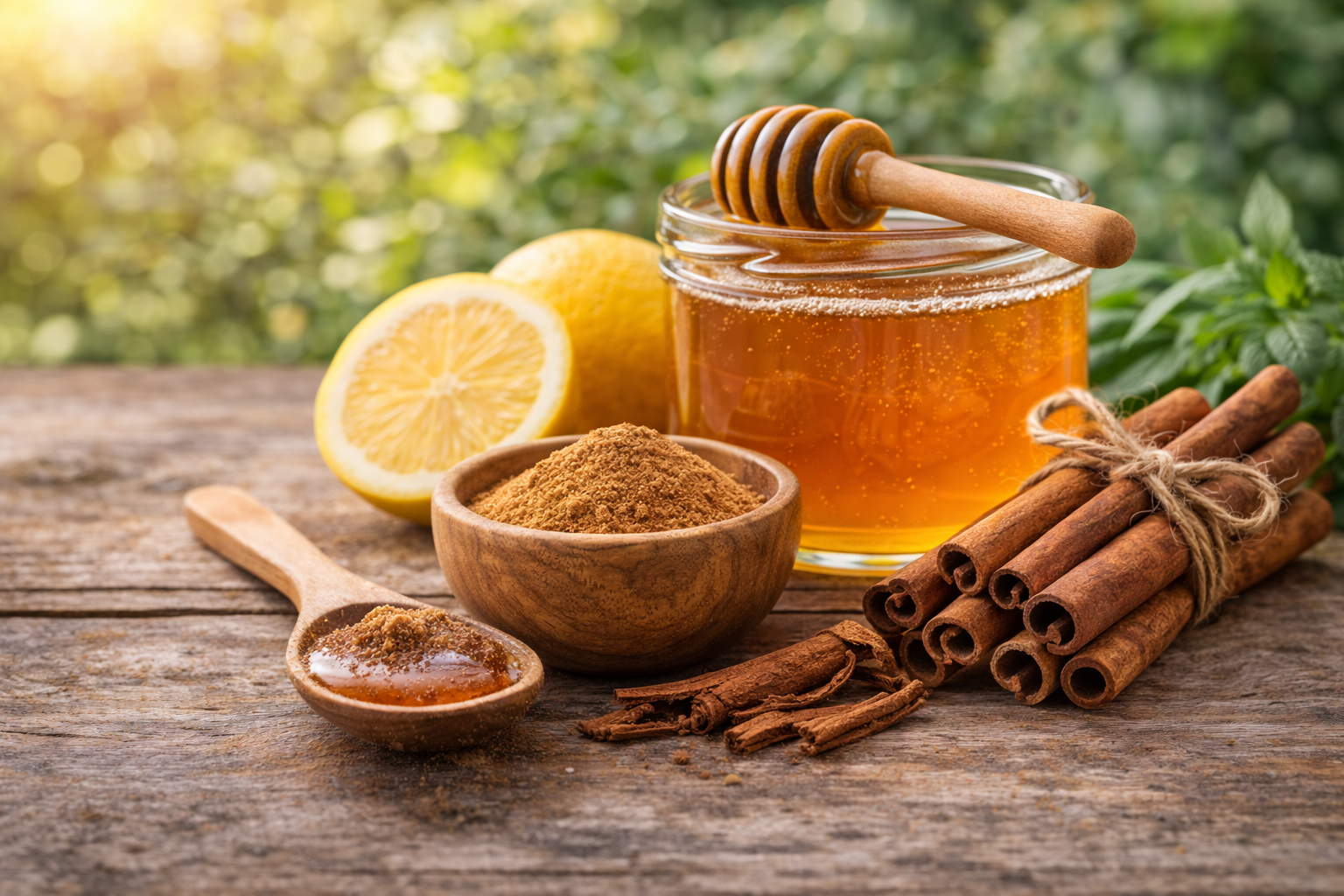
Honey & Cinnamon: The Simple Cold Remedy Most People Overlook (But Shouldn’t)
Introduction: The Remedy That’s Almost Too Simple
Sometimes the most effective solutions are the ones people ignore.
Not because they don’t work—but because they seem too simple.
Honey and cinnamon fall into that category.
No fancy packaging. No prescriptions. No complicated prep.
Just two basic ingredients that have been used for generations—and are now backed by modern research showing real antimicrobial and anti-inflammatory effects.
From a preparedness standpoint, this is exactly the kind of knowledge you want:
- Simple
- Shelf-stable
- Multi-use
- Accessible
Because when you don’t have easy access to medications, knowing what actually works matters.
Section 1: Why This Remedy Still Holds Up Today
Modern medicine has its place—but it hasn’t replaced everything.
Natural remedies like honey and cinnamon continue to be used because they:
- Support the body instead of just masking symptoms
- Are easy to use early in an illness
- Have multiple beneficial effects at once
This combination doesn’t just target one symptom—it works across several systems at the same time.
Section 2: What Honey Brings to the Table
Honey isn’t just a sweetener—it’s a functional food.
It helps:
- Coat and soothe irritated throat tissue
- Reduce coughing, especially at night
- Provide mild antibacterial action
- Deliver antioxidants that support immune function
Raw honey, especially local varieties, tends to have the most benefit.
It’s also naturally shelf-stable, making it ideal for long-term storage.
Section 3: What Cinnamon Adds
Cinnamon is more than flavor—it’s a powerful support tool.
It contributes:
- Antimicrobial properties
- Anti-inflammatory effects
- Circulation support
- Mild warming effect that can help with congestion
Ceylon cinnamon is generally preferred for regular use because it contains lower levels of certain compounds found in other types.
Section 4: Why the Combination Works So Well
Individually, both ingredients are useful.
Together, they become more effective.
The combination provides:
- Broad-spectrum antimicrobial support
- Reduced inflammation in the throat and sinuses
- Improved comfort and symptom relief
- Support for the body’s natural immune response
This is what makes it valuable early in a cold.
Section 5: Basic Honey & Cinnamon Remedy
A simple starting point:
- 1 teaspoon raw honey
- ¼ teaspoon cinnamon
Take twice daily for a few days, especially at the first sign of symptoms.
Many people notice improvement within a day or two when used early.
Consistency matters more than quantity.
Section 6: Timing Is Everything
One of the biggest advantages of this remedy is early use.
If taken at the first signs of:
- Scratchy throat
- Mild cough
- Sinus irritation
- Fatigue
…it may help slow progression.
Waiting too long reduces effectiveness.
This is a “first response” approach—not a last resort.
Section 7: Variations That Work Well
You don’t have to stick to one method.
Honey-Cinnamon Tea
- Warm water (not boiling)
- Honey
- Cinnamon
This helps hydrate while delivering the benefits.
Sore Throat Paste
- Honey and cinnamon mixed thicker
- Taken directly by the spoon
Provides longer-lasting throat coating.
Add-Ons (Optional)
- Lemon for vitamin C
- Ginger for additional warmth and support
Simple combinations can enhance effectiveness.
Section 8: Why This Fits a Prepper Mindset
This remedy checks all the right boxes:
- Long shelf life
- No refrigeration required
- Multi-use (not just for colds)
- Easy to store in bulk
- No reliance on supply chains
It’s the kind of solution that works whether you’re at home, off-grid, or dealing with shortages.
Section 9: Beyond Colds — Other Uses
Honey and cinnamon can also support:
- Mild sore throats
- Seasonal discomfort
- Digestive balance
- General immune support
That versatility makes it worth keeping on hand.
Section 10: Safety Considerations
Even simple remedies need awareness.
Important points:
- No honey for infants under 1 year
- Monitor blood sugar if needed
- Use quality cinnamon
- Watch for sensitivities
- Be mindful of interactions if on medication
Natural doesn’t mean risk-free—it just means different.
Section 11: Storage and Shelf Life
Both ingredients are excellent for long-term storage.
Honey
- Can last indefinitely when stored properly
- May crystallize but remains usable
Cinnamon
- Long shelf life when kept dry and sealed
This makes the combination ideal for emergency kits and pantry storage.
Section 12: Building a Simple Cold Kit
A basic prepper cold kit might include:
- Raw honey
- Cinnamon
- Herbal teas
- Salt (for rinses)
- Basic supplements like zinc
These tools give you options without relying on stores.
Section 13: The Bigger Picture
Preparedness isn’t always about adding more gear.
Sometimes it’s about:
- Understanding simple solutions
- Using what you already have
- Acting early instead of reacting late
Small knowledge gaps can become big problems if ignored.
Section 14: Real-World Application
In everyday life, this remedy is:
- Easy to use
- Low cost
- Accessible
In a crisis, it becomes:
- A first-line defense
- A comfort tool
- A way to reduce reliance on medications
That shift in value is what preparedness is about.
Section 15: The Prepper Takeaway
Honey and cinnamon may seem basic—but that’s exactly why they matter.
They offer:
- Simplicity
- Reliability
- Flexibility
And when things get complicated, simple solutions are often the most dependable.
Conclusion: Simple Doesn’t Mean Weak
There’s a tendency to overlook anything that doesn’t feel advanced or modern.
But effectiveness doesn’t always come from complexity.
Sometimes it comes from understanding the basics and using them well.
Honey and cinnamon are a perfect example of that.
Keep it simple. Use it early. Know your options.
That’s real preparedness.
© Prepping Communities. This content is for informational purposes only and not professional advice. Use at your own risk.
Terms | Privacy | Guidelines