
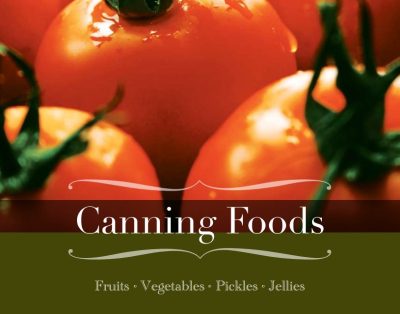
This publication, titled “Canning Foods” from the University of Tennessee Extension, is a comprehensive guide to safely preserving food through home canning. It combines scientific principles with practical instruction, emphasizing that canning is not just a traditional skill but a precise process designed to prevent spoilage and foodborne illness. The guide explains how microorganisms like bacteria, molds, and yeast are destroyed through controlled heat and proper sealing, ensuring that preserved foods remain safe and retain their flavor, texture, and nutritional value.
A major focus of the document is the difference between water bath canning and pressure canning, and why each method is necessary. Fruits, tomatoes, and pickled foods—being high in acid—can be safely processed in boiling water, while low-acid foods like vegetables and meats require higher temperatures achieved through pressure canning. The publication clearly explains temperature ranges and the “danger zone” for bacterial growth, reinforcing the importance of following exact processing times and methods to avoid risks such as botulism.
The guide provides step-by-step instructions for preparing and canning fruits and vegetables, including how to select produce at peak freshness, prepare it properly, and pack it into jars using either raw pack or hot pack methods. It also includes detailed processing times based on jar size and altitude, along with practical tips like preventing discoloration, ensuring proper headspace, and achieving airtight seals. Tables and charts throughout the document help standardize the process and improve consistency.
Beyond basic canning, the publication expands into pickling, jams, jellies, and preserves, offering recipes and techniques for creating a wide variety of shelf-stable foods. It explains the role of ingredients like sugar, salt, and acid in preservation—not just for flavor, but for safety and stability. Troubleshooting sections help users identify common problems, such as cloudy liquid, poor seals, or texture issues, making it a well-rounded resource for both beginners and experienced home canners.
Overall, this PDF serves as a complete food preservation manual, blending science, safety, and practical application. For preppers and homesteaders, it’s especially valuable as it provides the knowledge needed to store food long-term without refrigeration, reduce waste, and build a reliable, self-sufficient food supply that can last through disruptions or emergencies.
Reba K. Hendren, Professor Emeritus
Revised by Janie Burney, Associate Professor
Family and Consumer Science
William C. Morris, Professor
Food Sciences and Technology
© Prepping Communities. This content is for informational purposes only and not professional advice. Use at your own risk.
Terms | Privacy | Guidelines