
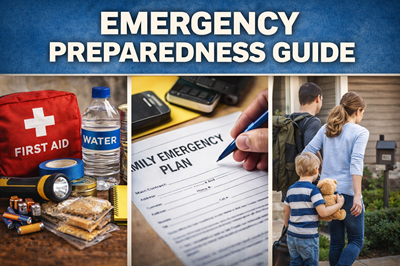
This publication, titled “Are You Ready? – Basic Preparedness” by FEMA, is a comprehensive, step-by-step guide designed to help individuals and families prepare for a wide range of disasters. Rather than focusing on a single threat, the guide emphasizes a universal approach—build one solid plan that can be adapted to any emergency scenario (page 13). It walks readers through the full preparedness cycle, from understanding risks to building supplies and maintaining readiness over time.
The guide begins with getting informed about potential hazards, encouraging readers to identify risks specific to their area, such as floods, storms, fires, or even technological and terrorism-related threats (pages 16–17). It also highlights the importance of understanding community warning systems like the Emergency Alert System (EAS) and NOAA Weather Radio, ensuring that individuals can receive timely alerts when emergencies occur (page 18). This section reinforces that awareness is the foundation of preparedness.
From there, the manual moves into building a complete family emergency plan, covering critical elements like evacuation routes, meeting locations, and communication strategies (pages 24–25). As shown in the family communications section on page 25, it recommends creating contact cards and designating an out-of-area contact, ensuring family members can reconnect even if local communication systems fail. It also includes practical steps like learning how to shut off utilities (gas, water, electricity), protecting important documents, and planning for special needs, pets, and livestock.
A major section of the guide focuses on assembling and maintaining disaster supply kits, which are essential for surviving when normal services are disrupted. According to page 32, individuals should be prepared to be self-sufficient for at least three days, with supplies stored not only at home but also at work and in vehicles. The checklist on page 35 outlines core items such as water, non-perishable food, first aid kits, flashlights, clothing, and cash—forming the baseline of any preparedness system.
The publication also provides detailed guidance on sheltering and resource management during an emergency. The shelter section (page 38) explains how to choose safe locations depending on the hazard and how to manage limited resources like water and food over time. It includes practical instructions for water storage, purification (boiling, chlorination, distillation), and food safety, ensuring survival even when infrastructure is down for extended periods.
Finally, the guide emphasizes the importance of practice and ongoing maintenance, encouraging families to run drills, update supplies, and regularly review their plans (page 46). This reinforces a key preparedness principle: having a plan is not enough—you must keep it current and ensure everyone knows how to execute it.
© Prepping Communities. This content is for informational purposes only and not professional advice. Use at your own risk.
Terms | Privacy | Guidelines