
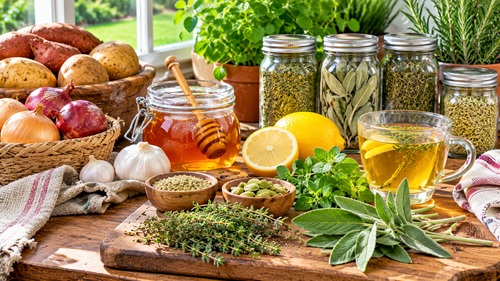
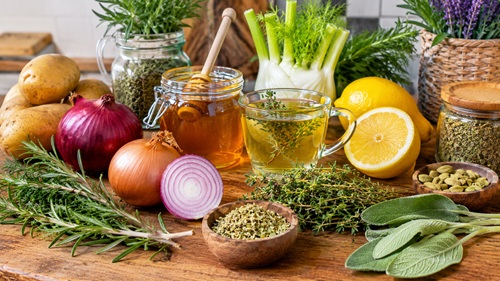
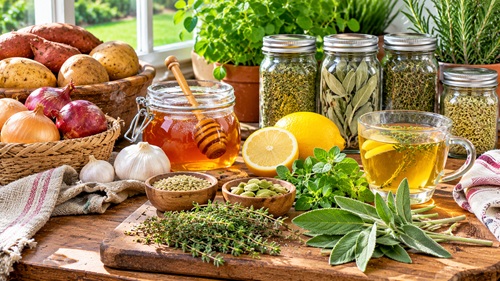
You might be surprised how many ingredients sitting in your kitchen have been used in traditional home remedies for generations. Onions, honey, thyme, rosemary, and even ordinary potatoes have a history that goes well beyond cooking. Long before modern pharmacies became commonplace, households relied on familiar foods, herbs, and spices for nourishment, comfort, and everyday care.
Some of these traditional uses have scientific evidence behind them, while others are based largely on folk medicine. Knowing the difference is important, especially when you’re interested in natural living, household self-sufficiency, and preparing for times when everyday supplies may be harder to obtain.
There’s nothing wrong with appreciating traditional knowledge, but it’s worth understanding what these ingredients can realistically do. Many provide valuable nutrients, some contain compounds that researchers continue to study, and a few have demonstrated benefits for particular symptoms. Others are simply comforting foods that have earned a place in family traditions.
The following ten ingredients are worth keeping in mind, not because they can replace modern medicine, but because understanding their properties and uses can help you make better use of what’s already in your kitchen.
Onion: More Than a Cooking Ingredient
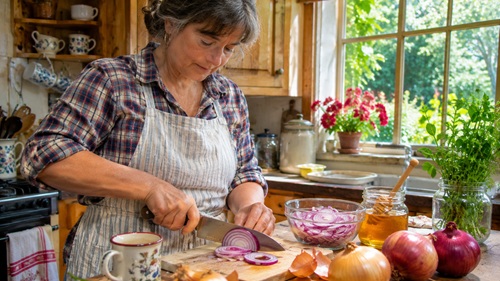
Onions are one of those ingredients most households use without giving them much thought. They’re inexpensive, easy to incorporate into meals, and available in many varieties. Beyond their familiar flavor, onions contain antioxidants and sulfur-containing compounds that contribute to their nutritional value.
Red onions are particularly interesting because they contain anthocyanins, the natural pigments responsible for their reddish-purple color. These compounds have antioxidant properties, although the amount present varies depending on the onion variety, growing conditions, and storage. Claims that red onions contain a specific number of times more antioxidants than yellow onions are often oversimplified.
Traditionally, onions have been used in homemade cough syrups, sometimes combined with honey. Families have also used onion poultices and other preparations in attempts to relieve congestion or fever. However, there is little reliable evidence that onions draw illness out of the body, clear lung infections, or reduce fevers.
Honey may help soothe a cough, but that benefit should not automatically be attributed to the onion. Adding onions to soups and broths remains a practical way to include their nutrients in meals, particularly when someone has a reduced appetite or prefers warm, easily eaten food.
For preparedness purposes, onions are valuable because they can be stored for extended periods under suitable conditions. Whole, cured storage onions generally keep best in a cool, dry, dark, well-ventilated location. Keeping a rotating supply provides a versatile ingredient for everyday cooking and emergency meal preparation.
Rosemary: An Aromatic Herb Worth Keeping
Rosemary is probably best known for the flavor it adds to roasted potatoes, vegetables, and meat dishes, but it also has a long history of traditional use for memory, concentration, and general well-being.
The herb contains naturally occurring compounds such as rosmarinic acid and carnosic acid, which have attracted scientific interest because of their antioxidant properties. Some small studies have examined whether rosemary aroma influences attention or memory, with mixed and limited findings.
Although rosemary is sometimes promoted as a brain tonic, there isn’t enough reliable clinical evidence to conclude that drinking rosemary tea improves memory, prevents dementia, or treats neurological conditions. Laboratory research into its compounds is interesting, but those findings shouldn’t be confused with proven medical benefits in people.
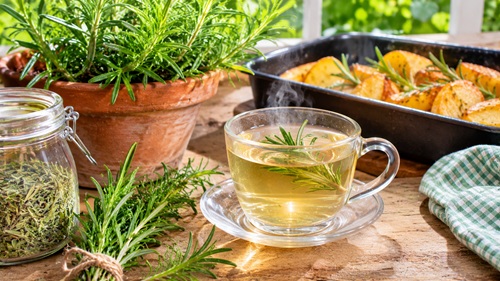
Fresh rosemary can be steeped in hot water for a fragrant herbal drink or added to soups, stews, vegetables, and other meals. A sprig in a pot of simmering broth adds a distinctive flavor without requiring any special preparation.
Rosemary is also useful for households interested in growing their own herbs. In suitable climates, it can be maintained as a perennial shrub, while gardeners in colder regions may grow it in containers and protect it from freezing temperatures. Drying harvested rosemary provides a convenient supply for cooking when fresh herbs aren’t available.
Ordinary culinary amounts are generally well tolerated, but concentrated rosemary oils and extracts are different products and should not be used as though they were interchangeable with the herb.
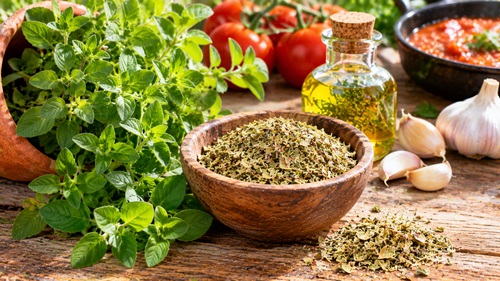
Oregano: A Familiar Herb With Interesting Properties
Oregano is a common ingredient in Mediterranean cooking and one of the easiest dried herbs to keep in a pantry. It adds flavor to tomato sauces, soups, vegetables, and meat dishes, but its popularity in natural health discussions comes largely from compounds found in its leaves.
Two of these compounds, carvacrol and thymol, have demonstrated antimicrobial activity in laboratory studies. Researchers have investigated their effects on certain bacteria and fungi, which helps explain why oregano is frequently described as a natural antimicrobial.
However, laboratory results do not mean that eating oregano or drinking oregano tea will kill infections inside the human body. Claims that oregano is dozens of times stronger than garlic or lemon are not meaningful without explaining exactly what is being measured.
Concentrated oregano oil also deserves caution. It is much stronger than the dried herb used in cooking and may irritate the mouth, digestive tract, or skin. It should not be swallowed casually or used as a substitute for antibiotics or other prescribed treatments.
For ordinary household use, dried oregano is a practical ingredient to keep available. It stores well when protected from moisture, heat, and direct sunlight, and a small amount can add considerable flavor to simple meals.
Growing oregano is another useful option. In many climates, it can be cultivated in containers or garden beds and harvested throughout the growing season. Drying the leaves allows households to preserve some of their harvest for later use.
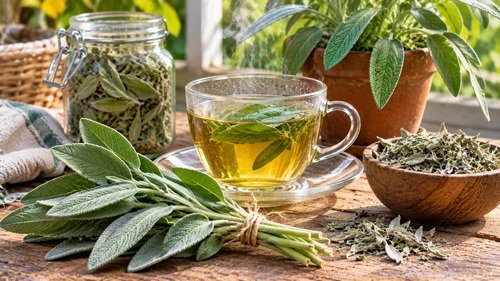
Sage: Traditionally Used for Throat Comfort
Sage has been valued in traditional herbal practices for centuries. Its distinctive aroma makes it a familiar cooking herb, particularly in stuffing, poultry dishes, and savory meals, but it has also been used in preparations intended to soothe sore throats and mouth discomfort.
Sage contains aromatic compounds and polyphenols that have been investigated for anti-inflammatory and antimicrobial properties. Some limited clinical research has examined sage-containing preparations for throat symptoms, although the evidence remains insufficient to consider ordinary sage tea a treatment for infections.
A mild tea made from food-grade sage leaves can be allowed to cool and used as a gargle for temporary throat comfort. Warm herbal drinks may also feel soothing when someone has a dry or irritated throat.
However, sage should not replace appropriate medical care when symptoms are severe, persistent, or accompanied by difficulty swallowing, breathing problems, or a high fever.
It’s also important to distinguish culinary sage from concentrated sage essential oil. Some sage species contain thujone, a compound that can be harmful in excessive amounts. Ordinary culinary use is generally considered safe, but high-dose extracts and essential oils require much greater caution.
For gardeners, sage can be a useful addition to an herb garden. It prefers well-drained soil and plenty of sunlight, and its leaves can be dried for use throughout the year.
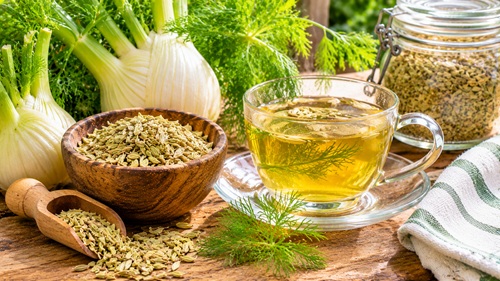
Fennel: A Traditional Digestive Herb
Fennel seeds have been used after meals in many cultures, particularly in parts of Asia, the Mediterranean, and the Middle East. Their mildly sweet, licorice-like flavor makes them popular in cooking, herbal drinks, and traditional digestive preparations.
Fennel contains aromatic compounds, including anethole, which have been studied for possible effects on digestive function. Some people find fennel tea comforting after a heavy meal, although reliable evidence for treating digestive disorders remains limited.
A small amount of food-grade fennel seed can be gently crushed and steeped in hot water to make a fragrant drink. The seeds can also be added to breads, vegetable dishes, soups, and other foods.
Fennel is sometimes promoted for improving milk production during breastfeeding or balancing hormones. These claims are not well established, and concentrated fennel preparations should not be assumed safe during pregnancy, breastfeeding, or infancy.
For households interested in maintaining a versatile pantry, fennel seeds are easy to store and can serve several culinary purposes. Keeping them in an airtight container away from moisture and heat helps preserve their aroma.
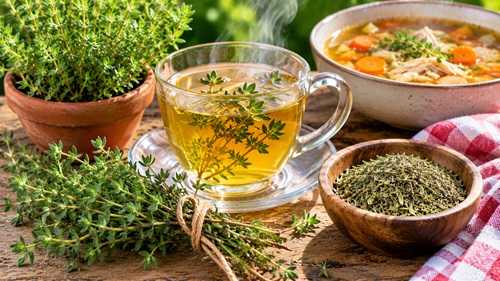
Thyme: A Useful Herb During Cold Season
Thyme is another familiar kitchen herb with a long history of traditional use during respiratory illnesses. Its leaves contain aromatic compounds, including thymol, that have been investigated for antimicrobial activity.
Certain standardized herbal products containing thyme, sometimes combined with other botanical ingredients, have shown possible benefits for some cough symptoms. However, this does not mean ordinary thyme tea can treat pneumonia, influenza, bronchitis, or other respiratory infections.
One of the simplest ways to use thyme is in warm broth. When someone isn’t feeling well, a bowl of soup can provide fluids, nourishment, and comfort. Adding thyme contributes flavor without requiring complicated preparations.
Thyme can also be steeped in hot water for a mild herbal drink, although its effectiveness as a cough treatment has not been established in the same way as certain studied commercial preparations.
Concentrated thyme essential oil is much stronger than the culinary herb and should not be swallowed or applied directly to the skin without appropriate professional guidance.
From a preparedness perspective, thyme is a useful herb to grow and preserve. It tolerates relatively dry conditions once established and can be harvested and dried for use in cooking throughout the year.
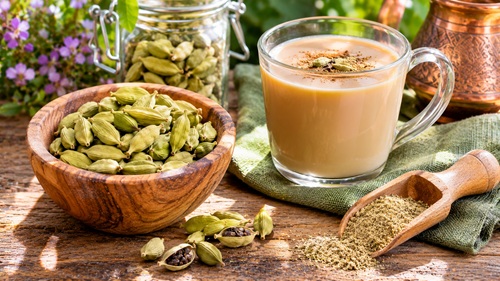
Cardamom: A Warming Spice for Everyday Cooking
Cardamom is widely used in cooking across parts of Asia, the Middle East, and other regions. Its warm, slightly sweet aroma makes it a popular addition to tea, coffee, rice dishes, desserts, and spiced beverages.
Traditional herbal practices have associated cardamom with digestive comfort and general well-being. The seeds contain aromatic compounds that researchers have studied for possible antioxidant and metabolic effects.
Although these findings are interesting, there isn’t enough reliable evidence to recommend cardamom as a treatment for digestive disorders, congestion, anxiety, or other medical conditions.
For everyday use, a lightly crushed cardamom pod can be added to tea or warm milk, allowing its flavor to develop as the liquid heats. Ground cardamom can also be used in baking and cooking.
Whole cardamom pods generally retain their aroma longer than pre-ground spice when stored properly. Keeping a small supply in a sealed container provides a useful flavoring ingredient for both everyday meals and pantry-based cooking.
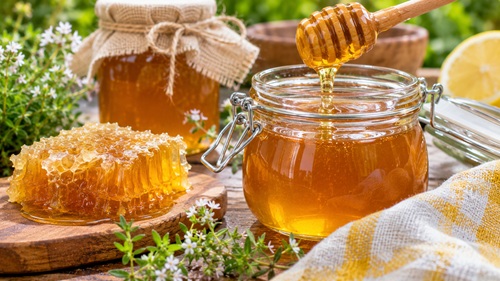
Honey: A Traditional Remedy With Some Scientific Support
Honey is one of the oldest familiar ingredients used in traditional home remedies, and unlike many popular natural health claims, some of its uses have meaningful scientific support.
Research suggests that honey may help reduce coughing in children older than one year, although the degree of benefit varies and it does not cure respiratory infections. Its thick texture may help soothe an irritated throat, which is one reason it remains a popular addition to warm drinks.
Honey also has antimicrobial properties under certain conditions. Specially prepared medical-grade honey is used in some wound-care products, but ordinary kitchen honey should not be applied to open wounds as a replacement for sterile medical dressings.
A small amount of honey can be stirred into warm tea or taken on its own for temporary throat comfort. Raw honey is not necessarily more effective than pasteurized honey for this purpose, and there is no medical reason to avoid adding honey to an ordinarily warm beverage.
Honey should never be given to children younger than twelve months because of the risk of infant botulism.
For preparedness purposes, honey is a particularly useful pantry ingredient because properly stored honey has a long shelf life. It may crystallize over time, but crystallization alone does not mean it has spoiled. Keeping containers tightly sealed and protecting them from excess moisture helps maintain quality.
Honey also provides a convenient sweetener for cooking, baking, and preparing simple foods when other ingredients may be limited.
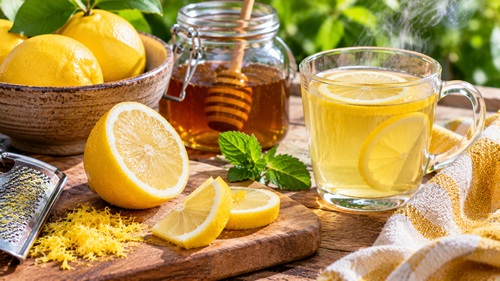
Lemon: A Useful Source of Vitamin C
Lemons are often associated with cold and flu remedies, particularly when combined with honey and warm water. Their sharp flavor can make an ordinary drink more appealing, and they provide vitamin C, an essential nutrient involved in normal immune function and collagen formation.
Vitamin C is important for maintaining health, but consuming extra amounts does not guarantee protection against colds or other infections. Research suggests regular vitamin C supplementation may modestly shorten cold duration in some people, but beginning supplementation after symptoms appear has not consistently shown a benefit.
Lemon water is also frequently promoted as a way to detoxify the body or make it more alkaline. These claims are misleading. The liver and kidneys already perform essential functions involved in processing and removing waste, while the body tightly regulates blood pH through its own physiological systems.
Adding lemon to drinking water can still be useful, especially for people who find plain water unappealing. It also adds flavor to vegetables, fish, sauces, and salad dressings without requiring much salt.
Because lemon juice is acidic, frequent exposure can contribute to dental enamel erosion. Drinking concentrated lemon water throughout the day is therefore not necessarily a good habit, particularly for people with sensitive teeth.
For households interested in preserving food and reducing waste, lemons can be used in several culinary preparations. Fresh juice may be frozen in small portions for later cooking, while zest can be preserved for use in suitable recipes. However, lemon juice should not be assumed to provide safe acidity for home canning unless a tested recipe specifically calls for it.
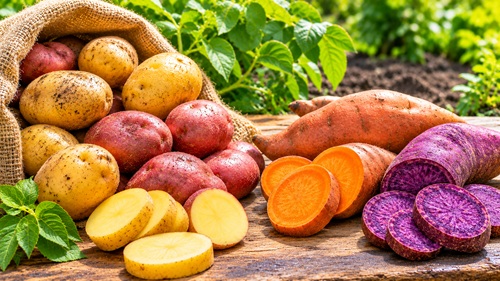
Potatoes: An Affordable Source of Nutrition
Potatoes are sometimes overlooked because they’re such an ordinary food, but they can be a valuable part of a household food supply. They provide carbohydrates for energy, potassium, vitamin C, and other nutrients, depending on the variety and how they’re prepared.
Sweet potatoes offer additional nutritional benefits, particularly orange-fleshed varieties that contain beta-carotene, which the body can convert into vitamin A. Purple-fleshed sweet potatoes contain anthocyanins, antioxidant pigments also found in certain berries and vegetables.
The nutritional differences between potatoes and sweet potatoes depend on the varieties and serving sizes being compared. Claims that one type always contains a specific number of times more nutrients than another are often misleading.
Traditional folk remedies sometimes recommend placing raw potato slices on burns, inflamed skin, or the forehead during a fever. These practices are not supported by reliable clinical evidence, and applying raw food to damaged skin can introduce contamination.
For minor thermal burns, cooling the affected area under cool running water for approximately twenty minutes is a more appropriate first-aid measure. Significant burns require medical assessment, and potatoes should never be used as a substitute for proper burn care.
From a preparedness perspective, potatoes are far more valuable as food than as topical remedies. Many varieties can be stored for extended periods when properly cured and kept in suitable conditions.
Potatoes generally store best in a cool, dark, well-ventilated environment, although exact requirements vary by variety and intended storage period. Green or heavily sprouted potatoes can contain elevated levels of natural glycoalkaloids and should not be eaten when unsafe.
For households with suitable growing space, potatoes can also be a productive crop. Learning how to grow, harvest, cure, and store them provides a practical food-security skill that may be more valuable than many traditional medicinal claims.
Why These Ingredients Matter for Household Preparedness
Keeping a well-stocked kitchen isn’t only about having enough calories during an emergency. Familiar herbs, spices, vegetables, and pantry staples can make basic meals more nutritious, varied, and enjoyable when shopping options are limited.
A household with onions, potatoes, dried herbs, honey, and other basic ingredients can prepare a surprising variety of meals without relying on complicated recipes or specialty products. Learning to make simple soups, broths, vegetable dishes, and warm beverages is a useful skill during ordinary life and becomes even more valuable when resources are limited.
There is also comfort in familiar foods. When someone is recovering from a minor illness, warm soup or a cup of tea may be easier to tolerate than a heavy meal. These foods do not replace medical treatment, but they can contribute to hydration, nourishment, and ordinary comfort.
Understanding the limitations of traditional remedies is equally important. Some ingredients contain compounds with interesting biological properties, but laboratory findings do not automatically translate into proven medical treatments. Concentrated extracts and essential oils can also carry risks that are not present when the same herbs are used in ordinary cooking.
A well-prepared household should therefore maintain appropriate medications, first-aid supplies, thermometers, safe drinking water, and a plan for accessing medical assistance. Kitchen ingredients can complement everyday care, but they should never replace essential healthcare supplies.
Preparedness Action Plan
Take a look through your kitchen cupboards and identify which of these ingredients you already keep on hand. Consider whether your pantry contains enough basic herbs, spices, honey, and nutritious foods to prepare familiar meals during a temporary disruption. There’s no need to purchase every ingredient at once. Building a practical supply gradually and using it in everyday cooking is usually a better approach.
Pay attention to how ingredients are stored. Dried herbs and spices should be protected from moisture, excessive heat, and direct sunlight. Honey should be kept tightly sealed, while onions and potatoes need suitable ventilation and storage temperatures. Learning these basic storage practices can reduce waste and help household supplies remain useful for longer periods.
If you enjoy traditional herbal drinks, learn how to prepare them using ordinary food-grade ingredients rather than concentrated essential oils or unfamiliar extracts. Keep preparations simple and be cautious about combining herbs with prescription medications, particularly if you have an existing medical condition.
Consider growing a few culinary herbs if you have suitable space. Rosemary, thyme, oregano, and sage can be grown in containers or garden beds, depending on local climate and growing conditions. Harvesting and drying herbs provides an opportunity to practice food preservation while building a small supply of useful cooking ingredients.
Most importantly, keep traditional home remedies separate from essential medical preparedness. Maintain appropriate medications and first-aid supplies, and understand when symptoms require professional assessment rather than home treatment.
The goal is not to turn the kitchen into a pharmacy. It’s to understand the practical value of familiar ingredients, use them safely, and become more capable of preparing nutritious food and providing basic comfort when ordinary routines are disrupted.
Key Takeaways
Many everyday kitchen ingredients have a long history of traditional medicinal use, and some contain compounds that researchers continue to investigate. Honey has evidence supporting its use for temporary cough relief, while herbs such as rosemary, oregano, sage, and thyme contain naturally occurring compounds with interesting biological properties.
However, traditional use and laboratory research do not automatically establish that an ingredient can prevent or treat disease. Claims about curing infections, detoxifying organs, or replacing medications should be approached cautiously.
For households interested in self-sufficiency, these ingredients offer practical benefits beyond their traditional medicinal reputations. They contribute flavor, nutrition, and variety to everyday meals, and many can be stored, grown, or preserved using basic household skills.
Learning how to use and store familiar kitchen ingredients is a worthwhile part of preparedness. The greatest value comes from combining traditional knowledge with reliable health information and understanding when professional medical care is necessary.
Disclaimer: This information is provided for educational purposes and is not a substitute for professional medical advice. Herbs, spices, and traditional home remedies should not replace prescribed medications or appropriate treatment for infections, respiratory problems, burns, or other medical conditions.
© Prepping Communities. This content is for informational purposes only and not professional advice. Use at your own risk.
Terms | Privacy | Guidelines