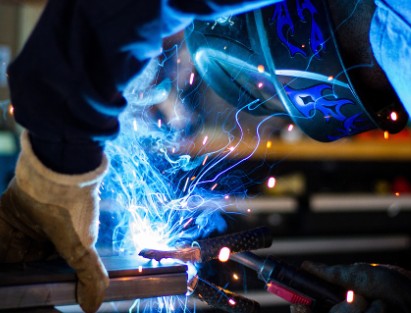
When systems break down, money doesn’t matter much — skills do. The people who can fix things, build, grow food, or handle basic medical needs are the ones communities depend on. Trades like plumbing, electrical, welding, and off-grid power keep things running, while food preservation, butchering, and herbal knowledge replace stores and pharmacies. Add in practical skills like sewing and bartering, and that’s what keeps things stable. In the end, usefulness becomes real value — skills are the currency when everything else stops working.