
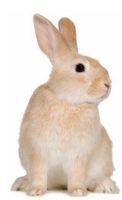
Raising Rabbits in Alaska is a concise livestock guide published by the University of Alaska Fairbanks Cooperative Extension Service that introduces the fundamentals of rabbit husbandry for both beginners and small-scale producers. The publication explains how rabbits can serve as pets, meat animals, fiber producers, show animals, or small livestock enterprises, while also highlighting their suitability for Alaska’s unique climate and living conditions.
The guide begins with an overview of rabbit breeds and their various uses, explaining differences in size, coat types, temperament, and production goals. It discusses the advantages of rabbits as a livestock species, including low space requirements, relatively low feed costs, rapid reproduction, and their value as a source of lean protein. The publication also introduces fur types such as normal, Satin, Rex, and Angora coats and encourages prospective owners to carefully research breeds before making a selection.
A major portion of the guide focuses on proper care and management. Topics include health monitoring, disease prevention, housing design, sanitation, feeding requirements, water systems, and overall rabbit welfare. The publication emphasizes that healthy rabbits require proper ventilation, clean housing, quality feed, fresh water, and routine observation to identify problems early. Special considerations for cold-weather rabbit management are also discussed.
The reproduction section explains breeding age, mating practices, pregnancy, nest box preparation, kindling (birth), kit care, weaning, and recordkeeping. Practical guidance is provided for both hobby breeders and meat producers, along with information on identification, processing, showing rabbits, and maintaining breeding records. The guide serves as a solid introductory handbook for anyone considering rabbits as part of a homestead, youth project, or preparedness plan.
© Prepping Communities. This content is for informational purposes only and not professional advice. Use at your own risk.
Terms | Privacy | Guidelines