


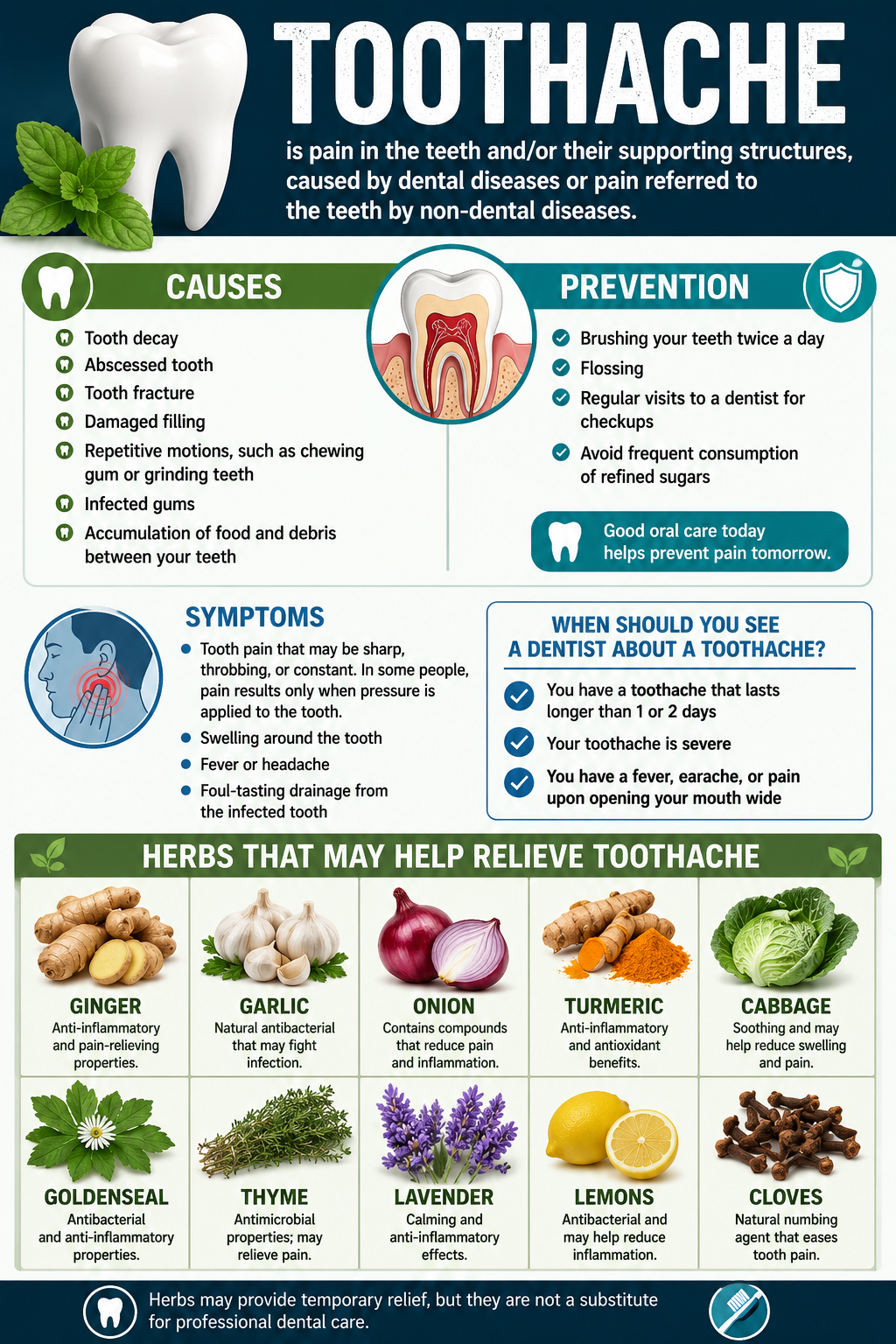
A toothache is not a condition to ignore because the pain often signals an underlying dental problem rather than a temporary inconvenience. Tooth decay, a cracked tooth, a damaged filling, gum infection, trapped food, or an abscess can all irritate the nerves and tissues surrounding a tooth. The pain may feel sharp, throbbing, constant, or only appear when biting, chewing, or drinking something hot or cold. Understanding the possible cause helps a person recognize when home care may provide temporary comfort and when professional treatment is necessary.
Good oral hygiene remains the most effective way to reduce the risk of many common toothaches. Brushing twice a day, flossing carefully between the teeth, limiting frequent sugar intake, and attending regular dental checkups all help prevent decay and gum disease before they become painful. It is also important to avoid habits that place unnecessary pressure on the teeth, such as chewing ice, grinding the teeth, or using teeth to open packages. Preventive care works because it removes plaque, protects enamel, and allows small problems to be treated before they develop into infections or fractures.
Some natural remedies may offer temporary relief while waiting for dental care. A warm saltwater rinse can help clean the area and reduce irritation, while a cold compress placed outside the cheek may help control swelling.

Clove contains compounds that can temporarily numb discomfort, and herbs such as ginger, turmeric, thyme, or garlic are sometimes used because of their anti-inflammatory or antimicrobial properties. These approaches should be used carefully and should never replace a dental examination, especially when pain is severe or persistent.
A dentist should be contacted when a toothache lasts longer than one or two days, becomes severe, causes swelling, or is accompanied by fever, drainage, a bad taste, ear pain, or difficulty opening the mouth. These symptoms may indicate an infection that can spread beyond the tooth and become more serious. Immediate care is especially important when swelling affects the face, jaw, neck, breathing, or swallowing. Temporary relief can help manage discomfort, but identifying and treating the actual cause is the only reliable way to stop the pain and protect long-term oral health.
© Prepping Communities. This content is for informational purposes only and not professional advice. Use at your own risk.
Terms | Privacy | Guidelines