
Introduction
Extended power outages can occur with little warning and may last anywhere from a few hours to several days. Severe thunderstorms, hurricanes, ice storms, wildfires, flooding, equipment failures, and other emergencies can all interrupt electrical service. While the cause of the outage may differ, the challenges inside the home are often the same: refrigeration stops, heating and cooling systems shut down, electronic devices cannot be recharged indefinitely, and access to information may become limited.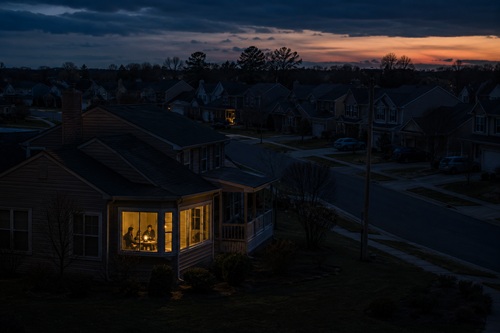
Preparing for an extended outage begins by identifying which parts of your household depend on electricity and deciding how those needs will be met if power is unavailable. This includes maintaining safe drinking water, protecting food, providing emergency lighting, preparing meals, staying informed, maintaining a comfortable indoor environment, organizing medical supplies, protecting important documents, and planning how your household will respond if conditions change.
This guide explains each of these areas step by step. Rather than simply recommending equipment, it explains how each system works, why it is important, and how to apply the information to your own household.
Understanding an Extended Power Outage
Power outages affect different parts of your household at different times. Understanding this progression allows you to prioritize your actions instead of reacting after problems develop.
During the first few hours, refrigerated food generally remains safe, mobile phones still have battery power, and many municipal water systems continue operating normally. Because the initial impact appears limited, many people assume electricity will return quickly and delay taking simple conservation measures that become much more important later.
As the outage continues, conditions gradually change. Refrigerated food begins warming, frozen food slowly thaws, batteries require recharging, internet service may become unavailable, and local businesses may experience increased demand for emergency supplies. If the outage affects a large area, fuel stations may close temporarily because fuel pumps require electricity to operate.
Understanding this timeline helps determine which tasks should be completed immediately and which can safely wait until later.
Typical Household Conditions During a Power Outage
| Time Without Power | What to Expect |
|---|---|
| 0–4 Hours | Refrigerators remain cold if unopened. Phones still have battery power. Lighting and most electrical appliances stop working. |
| 4–24 Hours | Refrigerated food begins warming. Batteries become increasingly important. Fuel stations and stores may become busy. |
| 1–2 Days | Frozen food may begin thawing. Water, fuel, and battery conservation become higher priorities. |
| 3–7 Days | Shelf-stable foods replace refrigerated meals. Household routines begin depending on emergency supplies. |
| Beyond 7 Days | Long-term planning for food, water, sanitation, cooking, and transportation becomes increasingly important. |
Common Mistake
Assuming electricity will return quickly and delaying simple conservation measures such as keeping refrigerator doors closed or reducing unnecessary battery use.
Quick Tip
As soon as the power goes out, locate your emergency supplies, check flashlight batteries, minimize opening the refrigerator and freezer, and begin monitoring local emergency information.
Securing Your Water Supply
Water is the first resource every household should plan for because it supports nearly every daily activity. In addition to drinking, water is needed for food preparation, medications, handwashing, personal hygiene, cleaning dishes, caring for pets, and basic sanitation.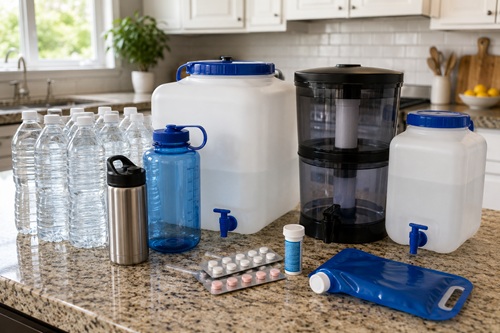
The amount of water your household needs depends on the number of people, the weather, medical requirements, and the length of the outage. A practical starting point is storing at least one gallon (approximately four litres) per person per day. This amount generally covers drinking and basic food preparation, although additional water may be required for cooking, hygiene, and other household needs.
Estimating Household Water Requirements
| Household Size | Minimum Water for One Week |
| 1 Person | 7 gallons (26 litres) |
| 2 People | 14 gallons (53 litres) |
| Family of 4 | 28 gallons (106 litres) |
| Family of 6 | 42 gallons (159 litres) |
These values represent minimum recommendations. Households with infants, pets, nursing mothers, older adults, or individuals with medical conditions should consider storing additional water.
Choosing Water Storage Containers
Commercially bottled water is convenient because it is packaged in food-safe containers and requires little preparation before storage. Larger quantities can be stored in food-grade water containers specifically designed for long-term water storage.
Store water in a cool, dry location away from direct sunlight, gasoline, pesticides, paints, fertilizers, or household chemicals. If using refillable containers, clean and sanitize them before filling with potable water.
Using several medium-sized containers instead of one very large container provides additional flexibility. If one container becomes damaged or contaminated, the remainder of your stored water remains usable.
Planning for Additional Water
Stored water should be viewed as your primary supply rather than your only supply. If an outage continues longer than expected, you’ll need another method of producing safe drinking water.
Several treatment methods are commonly used during emergencies.
| Treatment Method | Best Use | Electricity Required |
| Gravity Water Filter | Household water treatment | No |
| Portable Water Filter | Travel or evacuation | No |
| Water Purification Tablets | Emergency backup | No |
| Boiling Water | Biological contamination | No |
| UV Water Purifier | Clear water sources | Battery powered |
Each method has advantages and limitations. Maintaining more than one treatment option provides additional flexibility if conditions change.
Water Storage Tip
Review your stored water once each year. Inspect containers for damage, replace older bottled water if necessary, and verify that your water treatment equipment is complete and functioning properly.
Quick Tip
Freeze several bottles of drinking water before storm season. They help keep your freezer cold longer during an outage and become additional drinking water after they thaw.
Protecting Food During a Power Outage
Keeping food safe during a power outage involves two separate tasks. The first is preserving the refrigerated and frozen food you already have. The second is maintaining an emergency pantry that allows you to prepare nutritious meals if refrigeration is no longer available. Understanding both helps reduce food waste while ensuring your household continues to have safe meals throughout the outage.
How Long Will Refrigerated Food Stay Safe?
Refrigerators and freezers do not immediately become unsafe when the electricity stops. Their insulated walls help retain cold temperatures for several hours, especially if the doors remain closed.
As a general guideline:
- A refrigerator will usually keep food at a safe temperature for about 4 hours if the door remains closed.
- A full freezer can generally keep food frozen for approximately 48 hours.
- A half-full freezer typically maintains freezing temperatures for about 24 hours.
These times are estimates and depend on several factors, including the room temperature, how often the doors are opened, how full the appliance is, and the efficiency of the appliance itself.
Refrigerator and Freezer Reference
| Appliance | Approximate Safe Time Without Power |
|---|---|
| Refrigerator | About 4 hours |
| Full Freezer | About 48 hours |
| Half-Full Freezer | About 24 hours |
How Can You Keep Food Cold Longer?
One of the easiest ways to extend food safety is simply leaving the doors closed.
Every time the refrigerator or freezer door is opened, cold air escapes and warmer room air enters. Repeatedly checking food temperatures or deciding what to cook can shorten the amount of time food remains safe.
Before opening either appliance, decide exactly what you need. Retrieve everything at once, then close the door immediately. This simple habit can significantly extend the amount of time your food remains cold.
If you own appliance thermometers, leave them inside both the refrigerator and freezer. They allow you to monitor temperatures without repeatedly opening the doors.
Which Foods Should You Eat First?
Planning meals in stages helps reduce waste while making the best use of the food you already have.
Begin with foods that spoil the fastest.
Typical order of use:
- Leftovers
- Fresh dairy products
- Fresh meat and seafood
- Fresh fruits and vegetables
- Frozen foods
- Shelf-stable pantry foods
This approach allows you to use refrigerated food while it remains safe before transitioning to frozen foods and finally to your emergency pantry.
Building an Emergency Pantry
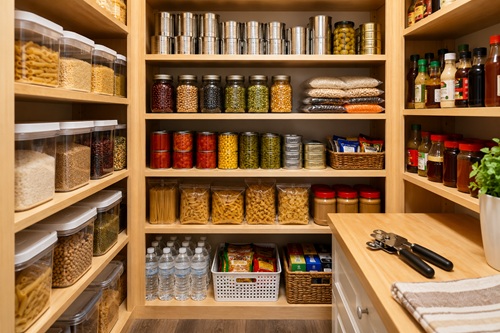
An emergency pantry should contain foods that are familiar, nutritious, and easy to prepare using limited water and fuel. Rather than purchasing specialty survival foods, begin by storing foods your household already enjoys eating and rotate them into your regular meals.
When selecting pantry foods, consider more than shelf life. Ask yourself:
- Can it be eaten without cooking?
- How much water does it require?
- How much fuel does it require?
- Does it require refrigeration after opening?
- Does everyone in the household eat it?
Choosing foods that answer these questions well provides greater flexibility during longer outages.
Emergency Pantry Categories
| Category | Examples | Purpose |
| Ready-to-Eat Foods | Peanut butter, crackers, canned meats | No cooking required |
| Protein | Tuna, beans, canned chicken | Balanced nutrition |
| Grains | Rice, pasta, oatmeal | Energy and long storage life |
| Fruits & Vegetables | Canned and dried varieties | Vitamins and fibre |
| Drinks | Coffee, tea, powdered milk | Variety and hydration |
| Snacks | Nuts, granola bars, dried fruit | Quick energy |
A balanced pantry provides more than calories. Including different food groups supports nutrition while reducing menu fatigue during longer emergencies.
Organizing Your Pantry
Organization makes emergency food easier to use.
Arrange foods so older items are used before newer purchases using the First In, First Out (FIFO) method. Place newly purchased food behind existing supplies and rotate items into your regular meal planning.
Store pantry foods in a cool, dry location away from direct sunlight and excessive humidity. High temperatures shorten the storage life of many foods, while moisture can damage packaging and reduce food quality.
Keep related supplies together. A manual can opener, measuring cups, utensils, paper plates, garbage bags, food thermometer, and basic cookware should all be stored near your emergency food whenever possible.
Food Safety Reminder
Never rely solely on appearance or smell to determine whether refrigerated food is safe. Harmful bacteria can grow without producing visible signs or unusual odours. If you’re uncertain whether food has remained at a safe temperature, it’s generally safer to discard it than risk foodborne illness.
Quick Tip
Keep a freezer thermometer inside your freezer year-round. During an outage, it provides a much more reliable indication of food safety than simply checking whether food still feels cold.
Choosing Reliable Emergency Lighting
Once your food has been protected, the next priority is ensuring your household can continue operating safely after dark. Emergency lighting reduces trips and falls, makes food preparation easier, allows first aid to be administered safely, and helps maintain normal household activities throughout the outage.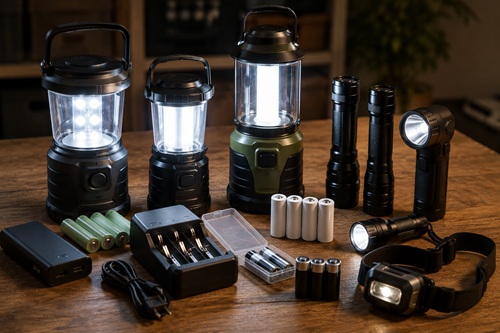
Many households rely on a single flashlight stored somewhere in the home. A more effective approach is to use several different types of lighting, with each serving a specific purpose.
A flashlight produces a focused beam that works well for walking through the house, checking utility panels, or inspecting outdoor conditions. A headlamp keeps both hands free, making it useful for cooking, making repairs, reading instructions, or treating injuries. Lanterns provide broad, even light that illuminates an entire room, making them ideal for family activities such as preparing meals, reading, or playing games together.
Comparing Lighting Options
Modern LED lighting has significantly improved emergency preparedness. Compared with older incandescent flashlights, LED lights produce much more light while using far less battery power. Many quality LED lanterns can provide 50 to over 200 hours of operation depending on the brightness setting.
| Lighting Device | Best Use | Main Advantage |
| Flashlight | Walking and inspections | Focused beam |
| Headlamp | Cooking, repairs, first aid | Hands-free operation |
| Lantern | Room lighting | Even, wide-area illumination |
| Rechargeable Lantern | Multi |
| Lighting Device | Best Use | Main Advantage |
|---|---|---|
| Flashlight | Walking, inspections, outdoor use | Focused beam for distance |
| Headlamp | Cooking, repairs, first aid | Hands-free operation |
| Lantern | Lighting an entire room | Comfortable area lighting |
| Rechargeable Lantern | Multi-day outages | Can be recharged with power stations |
| Solar Lantern | Long-duration emergencies | Recharges using sunlight |
Each type of lighting fills a different role. A flashlight is excellent for moving from room to room, but it occupies one hand. A headlamp allows you to work with both hands free, making it much more practical for preparing meals, changing batteries, assembling equipment, or treating injuries. Lanterns create a comfortable living space by illuminating an entire room instead of a narrow beam.
Choosing Batteries
Lighting equipment is only useful if it has a dependable power source. If you use disposable batteries, store them in a cool, dry location and leave them in their original packaging until needed. Avoid mixing old and new batteries or different battery brands in the same device, as this can reduce performance and increase the risk of battery leakage.
Rechargeable batteries offer a cost-effective alternative for households that own portable power stations or solar charging equipment. Recharge and test them at least twice each year to ensure they still hold an adequate charge.
Many homes also benefit from rechargeable emergency night lights. These plug into standard wall outlets and automatically illuminate when household power fails, providing immediate lighting for hallways, bedrooms, and stairways without requiring anyone to search for a flashlight.
Where Should Lighting Be Stored?
Emergency lighting should be distributed throughout your home rather than stored in one location.
Consider placing flashlights in:
- Every bedroom
- The kitchen
- Near your electrical panel
- The garage or workshop
- Beside exterior doors
- Your vehicle
- Your emergency kit
If one flashlight cannot be reached safely, another should always be available nearby.
Equipment Tip
Label rechargeable batteries with the date they were purchased and test them every six months. Weak batteries are much easier to replace before an emergency than during one.
Quick Tip
Keep a headlamp in your emergency kit even if you already own several flashlights. During extended outages, having both hands free is often much more useful than having a brighter flashlight.
Cooking Without Electricity
Preparing meals without electricity requires more than simply owning a camp stove. Before selecting emergency cooking equipment, consider how often you’ll cook, how much fuel you’ll need, where the equipment can be operated safely, and what types of meals your household normally prepares.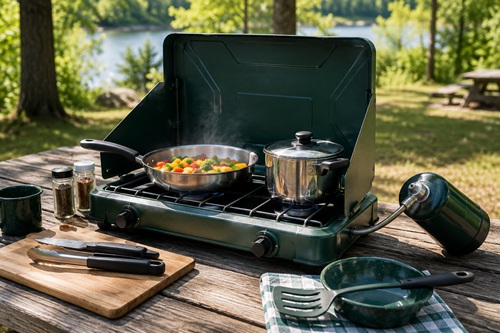
Many modern kitchens rely almost entirely on electricity. Electric ranges, induction cooktops, microwaves, toaster ovens, coffee makers, air fryers, and electric kettles all become unusable during a power outage. Having an alternative cooking method allows you to continue preparing hot meals while making better use of your emergency food supplies.
Choosing an Emergency Cooking Method
Portable propane camp stoves remain one of the most practical choices for most households because they are affordable, compact, easy to transport, and simple to operate. However, they are not the only option.
| Cooking Method | Best For | Fuel Source |
| Propane Camp Stove | Everyday emergency cooking | Propane |
| Butane Stove | Small meals and boiling water | Butane |
| Propane Grill | Outdoor family meals | Propane |
| Charcoal Grill | Outdoor cooking | Charcoal |
| Rocket Stove | Fuel-efficient cooking | Small sticks and wood |
| Wood Fire Pit | Long-term emergencies | Firewood |
Each cooking system has advantages depending on the number of people you are feeding, the amount of fuel you can safely store, and the amount of outdoor space available.
For most households, a single- or two-burner camp stove provides enough cooking capacity for everyday emergency meals while remaining easy to store.
Estimating Fuel Requirements
Emergency cooking plans often focus on the stove while overlooking fuel consumption. The amount of fuel required depends on how often you cook, how many people you’re feeding, weather conditions, and the types of meals you prepare.
Foods requiring long simmering times consume considerably more fuel than canned soups, dehydrated meals, or one-pot recipes.
Whenever practical, choose meals that:
- Use one pot
- Require minimal cooking time
- Require little water
- Produce minimal cleanup
This conserves fuel, reduces water consumption, and simplifies meal preparation throughout the outage.
Organizing Your Cooking Equipment
Store emergency cooking equipment together so everything is immediately available when needed.
A complete cooking kit should include:
- Camp stove
- Fuel
- Pots and pans
- Cooking utensils
- Manual can opener
- Measuring cups
- Long-handled lighter
- Waterproof matches
- Pot holders
- Dishwashing supplies
Keeping these items together prevents unnecessary searching while preparing meals.
Cooking Safely
Fuel-burning appliances produce carbon monoxide—an invisible, odourless gas that can quickly become deadly in enclosed spaces.
Never operate propane stoves, charcoal grills, propane grills, or similar appliances:
- Inside your home
- Inside a garage
- Inside a tent
- On an enclosed patio
- In any partially enclosed structure
Always cook outdoors in a well-ventilated area while following the manufacturer’s instructions.
Every household should also have a working carbon monoxide detector. If you own fuel-burning heating equipment or generators, test these detectors regularly according to the manufacturer’s recommendations.
Safety Reminder
Never bring a charcoal grill or propane stove indoors simply because of rain or cold weather. Carbon monoxide poisoning occurs every year during power outages and is entirely preventable through proper equipment placement.
Quick Tip
Practice preparing several complete meals using your emergency stove before an outage occurs. Learning how to light the stove, adjust the flame, estimate fuel consumption, and clean the equipment under normal conditions makes emergency cooking much easier and safer.
Staying Informed During an Extended Power Outage
Accurate information helps you make good decisions throughout an emergency. Knowing where to obtain reliable information, how to conserve battery power, and how to communicate with family members allows your household to adapt as conditions change.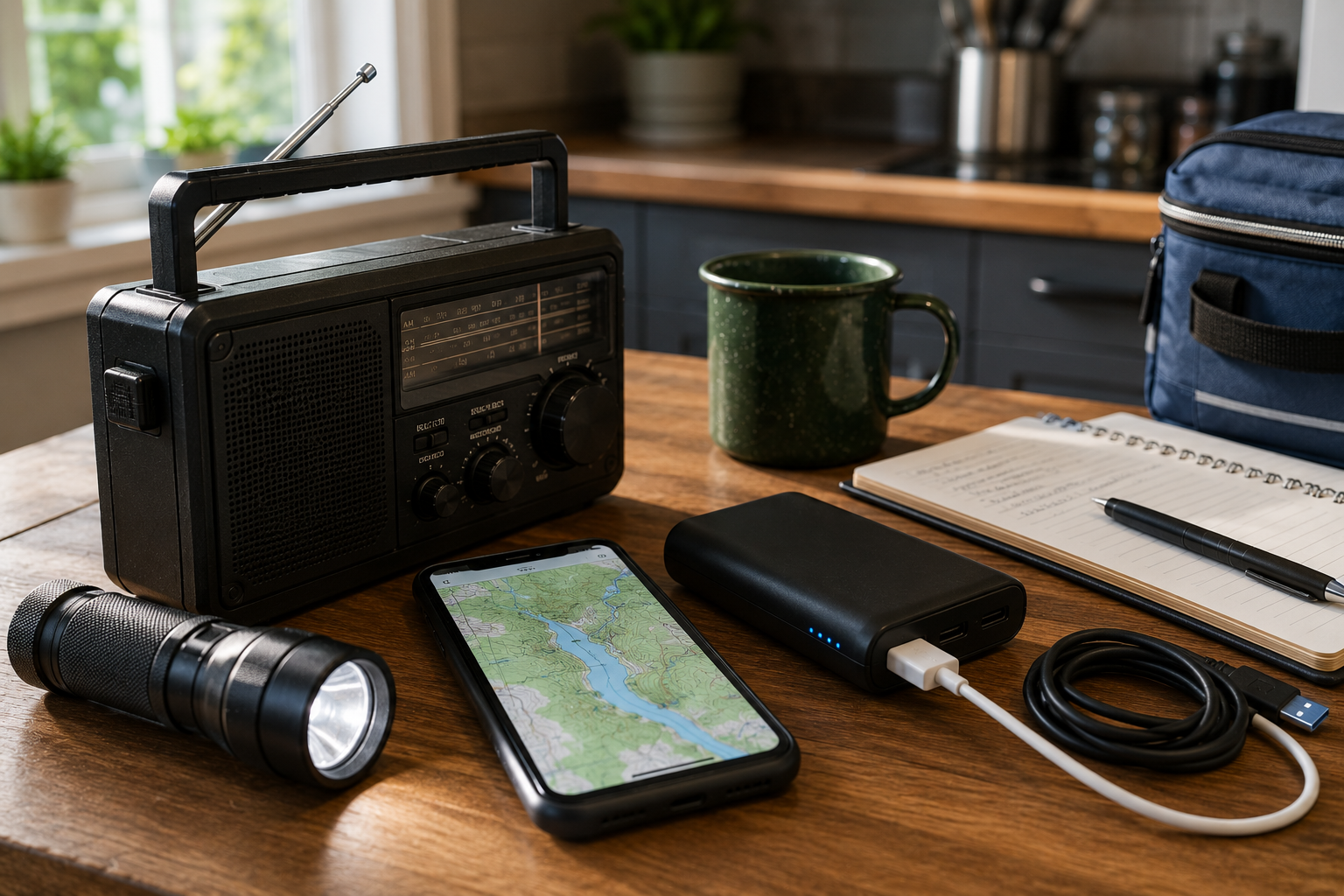
When the power first goes out, many people immediately reach for their phones. Smartphones remain valuable communication tools, but they depend on charged batteries and functioning cellular networks. During widespread emergencies, heavy network traffic may make voice calls difficult to complete even though text messages continue working normally.
A reliable communication plan should include more than one method of receiving information and contacting family members if one system becomes unavailable.
A reliable communication plan should include more than one method of receiving information and contacting family members. If one communication system becomes unavailable, another should still allow you to receive emergency information or communicate with others.
Which Communication Methods Continue Working?
Different communication systems perform differently during a widespread outage.
Battery-powered and hand-crank emergency radios remain one of the most dependable sources of official information because they continue receiving weather alerts, emergency broadcasts, evacuation notices, and public safety announcements without relying on internet service.
Mobile phones often continue working, but heavy demand on cellular networks can make voice calls difficult to complete. Text messages usually require much less network capacity and are often delivered successfully even when voice calls fail.
If internet service remains available, official utility websites, emergency management agencies, and weather services can provide valuable updates. However, it’s wise to download important information before an emergency occurs in case internet access is interrupted.
Comparing Communication Options
| Communication Method | Best Used For | Depends On |
|---|---|---|
| Emergency Radio | Weather alerts and official information | Batteries or hand crank |
| Smartphone | Calls, text messages, emergency apps | Battery and cellular network |
| Text Messages | Family communication | Cellular network |
| Portable Power Bank | Charging electronic devices | Stored battery power |
| Vehicle Charger | Charging while travelling | Vehicle battery |
| Offline Maps | Navigation | No internet required |
| Printed Contact List | Backup phone numbers | No electronics required |
No single communication method should be considered your only source of information. Using several different methods improves reliability if one system becomes unavailable.
Conserving Battery Power
Battery capacity becomes increasingly valuable as an outage continues. Conserving power during the first day often allows communication devices to remain available for several additional days.
Simple ways to reduce battery consumption include:
- Enable battery-saving mode.
- Reduce screen brightness.
- Close unnecessary applications.
- Disable Bluetooth and Wi-Fi when not required.
- Limit video streaming and social media use.
- Charge devices only when necessary.
These small adjustments can significantly extend battery life without affecting your ability to communicate.
Creating a Family Communication Plan
Communication planning should begin before an emergency occurs.
Discuss questions such as:
- How will family members contact one another?
- Where will everyone meet if returning home isn’t possible?
- Who will check on older relatives or neighbours?
- Which out-of-town contact will everyone report to?
Selecting one trusted friend or family member outside your local area as a central contact simplifies communication if local networks become overloaded.
Keep important phone numbers written on paper as well as stored in your phone. If your phone becomes damaged or completely discharged, you’ll still have access to essential contact information.
Planning Tip
Download offline maps before storm season. If internet service becomes unavailable, you’ll still be able to navigate using your phone’s GPS.
Quick Tip
Recharge portable power banks immediately after every power outage so they are ready for the next emergency.
Maintaining a Safe and Comfortable Home
Maintaining a comfortable indoor environment becomes increasingly important during longer outages, especially during periods of extreme heat or cold. Understanding how your home gains and loses heat allows you to remain comfortable while conserving available resources.
Rather than trying to heat or cool your entire home, concentrate on the rooms your household uses most often. Closing doors to unused rooms reduces the amount of living space that must be managed and helps maintain more stable indoor temperatures.
Staying Warm During Cold Weather
When heating systems stop operating, homes gradually lose heat through windows, doors, ceilings, and poorly insulated walls.
Several simple actions help slow this heat loss:
- Close curtains after sunset.
- Seal drafts around doors with towels or draft stoppers.
- Wear several lightweight clothing layers.
- Wear insulated socks and hats indoors.
- Use blankets and sleeping bags.
- Gather family members in one room.
Multiple clothing layers trap warm air between each layer, providing better insulation than one heavy garment. Hats are particularly effective because a significant amount of body heat can be lost from the head when it is uncovered.
Staying Cool During Hot Weather
High indoor temperatures can become dangerous during summer outages, particularly for children, older adults, and people with certain medical conditions.
Reduce indoor temperatures by:
- Closing blinds and curtains on sun-facing windows.
- Opening windows during cooler evening hours.
- Creating cross-ventilation by opening windows on opposite sides of the house.
- Drinking water regularly.
- Wearing lightweight, loose-fitting clothing.
- Limiting strenuous activity during the hottest part of the day.
If indoor temperatures continue rising, know where nearby cooling centres are located before they become necessary.
Seasonal Comfort Strategies
| Cold Weather | Hot Weather |
| Close curtains after sunset | Close blinds during daylight hours |
| Seal drafts | Open windows during cool evenings |
| Wear layered clothing | Wear lightweight clothing |
| Gather in one room | Reduce physical activity |
| Use blankets and sleeping bags | Stay hydrated |
Monitoring Indoor Conditions
Comfort and safety are not always the same. Indoor temperatures that feel uncomfortable can eventually become dangerous for infants, older adults, individuals with chronic illnesses, and pets.
A simple digital indoor thermometer allows you to monitor changing conditions without relying on guesswork. If temperatures become unsafe, consider relocating to a warming or cooling centre or another safe location if travel conditions permit.
Comfort Tip
Treat your home like an insulated cooler. Every time an exterior door opens, warm or cool air escapes. Limiting unnecessary trips outside helps maintain a more stable indoor temperature.
Quick Tip
Keep extra blankets accessible rather than packed away in storage. During winter outages, they are often one of the first items you’ll use and should be easy to reach without searching through closets or storage bins.
Preparing Medical Supplies and Maintaining Personal Hygiene
Medical preparedness involves more than keeping a first aid kit in a cupboard. During an extended power outage, pharmacies may close temporarily, travel may become difficult, and access to routine medical care may be delayed. Preparing medical supplies ahead of time helps ensure your household can continue managing everyday injuries, illnesses, and ongoing medical conditions.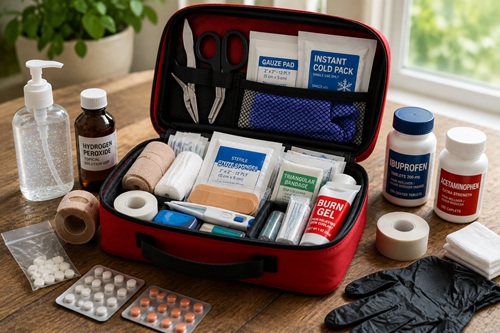
Begin by identifying the medical supplies your household uses regularly. In addition to a basic first aid kit, consider prescription medications, eyeglasses, hearing aid batteries, mobility aids, infant medications, thermometers, and pet medications. These routine items are often more important during an outage than specialized emergency equipment.
Building a Practical First Aid Kit
A household first aid kit should focus on treating the injuries most likely to occur during everyday activities. Minor cuts, burns, splinters, headaches, sprains, and minor illnesses are much more common than serious trauma.
A practical first aid kit should include:
| Medical Supply | Primary Use |
|---|---|
| Adhesive bandages | Minor cuts and scrapes |
| Sterile gauze pads | Larger wounds |
| Medical tape | Securing dressings |
| Antiseptic solution | Cleaning wounds |
| Burn gel or burn dressings | Minor burns |
| Elastic bandage | Sprains and strains |
| Tweezers | Removing splinters or debris |
| Trauma shears | Cutting clothing or bandages |
| Disposable gloves | Reducing contamination |
| Digital thermometer | Monitoring illness |
| Pain relievers | Pain and fever management |
Inspect your first aid supplies at least twice each year. Replace expired medications, replenish used supplies, and verify that packaging remains sealed and undamaged.
Managing Prescription Medications
Households that rely on prescription medications should plan for temporary pharmacy closures or transportation disruptions.
If possible:
- Maintain a small emergency reserve as permitted by your healthcare provider or pharmacist.
- Store medications according to the manufacturer’s recommendations.
- Monitor expiration dates.
- Keep a written list of medications, dosages, prescribing physicians, and pharmacy contact information.
Some medications require refrigeration. If anyone in your household depends on refrigerated medications, discuss emergency storage recommendations with your pharmacist before an outage occurs.
Maintaining Personal Hygiene
Good hygiene helps reduce the spread of illness when normal household routines are disrupted.
Keep supplies such as:
- Hand sanitizer
- Soap
- Toilet paper
- Paper towels
- Wet wipes
- Feminine hygiene products
- Diapers
- Garbage bags
- Household disinfectants
If water supplies become limited, prioritize handwashing:
- Before preparing food
- Before eating
- After using the washroom
- After handling garbage
- Before treating injuries
- After caring for pets
These activities provide the greatest reduction in disease transmission.
Planning for Household Members with Special Needs
Emergency medical planning should include everyone living in the home.
Consider the needs of:
- Infants
- Young children
- Older adults
- Individuals with disabilities
- Family members using medical equipment
- Pets
Some people may require additional medications, specialized foods, mobility equipment, backup power for medical devices, or additional water.
Planning for these requirements before an emergency greatly reduces stress if normal services are interrupted.
Health Tip
Store all medical supplies in one clearly labelled container that every member of the household can locate quickly. Searching multiple cupboards during an emergency wastes valuable time.
Quick Tip
Review your medical supplies at the same time you inspect smoke alarms or change clocks for daylight saving time. Linking these routine tasks together makes regular maintenance much easier to remember.
Protecting Electronics, Important Documents, and Digital Information
Preparing for a power outage also involves protecting the information and electronic equipment your household depends on every day. 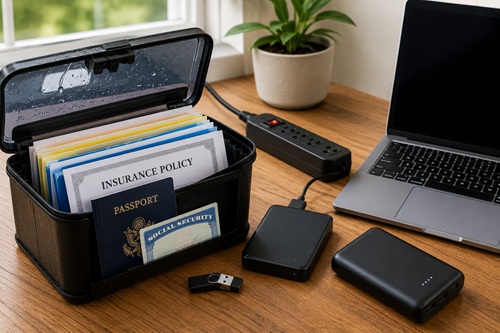 Although restoring electricity eventually returns most household functions to normal, damaged electronics or missing documents can continue creating problems long after the outage has ended.
Protecting Electronic Equipment
One of the greatest risks to electronic equipment often occurs when electricity is restored rather than when it is lost. As sections of the electrical grid are re-energized, temporary voltage fluctuations and power surges can occur. These sudden increases in voltage may damage sensitive electronics.
Equipment that benefits from additional protection includes:
- Desktop computers
- Televisions
- Gaming systems
- Internet routers
- Modems
- Network switches
- Printers
- Home office equipment
Although surge protectors provide valuable protection during normal operation, unplugging expensive electronics after the power goes out offers the highest level of protection during extended outages.
Rechargeable devices should also be managed carefully. Laptops, tablets, rechargeable radios, portable power stations, and uninterruptible power supplies (UPS) should be reserved for important tasks such as communication, education, work, or accessing emergency information.
Organizing Important Documents
Important documents should be stored together where they can be located quickly if needed.
Consider including:
| Document | Purpose |
| Birth certificates | Proof of identity |
| Passports | Identification and travel |
| Driver’s licences | Government identification |
| Insurance policies | Filing claims |
| Property records | Proof of ownership |
| Vehicle registration | Vehicle ownership |
| Medical records | Continuing healthcare |
| Banking information | Financial access |
| Emergency contact list | Family communication |
Store these documents inside a waterproof, fire-resistant document container whenever possible.
Creating Digital Backups
Paper documents provide one level of protection, but digital copies provide another.
Scan important records and store encrypted copies on:
- USB flash drives
- External hard drives
- Secure cloud storage
Digital copies can also be useful for:
- Home inventories
- Insurance policy numbers
- Family photographs
- Appliance manuals
- Receipts for valuable property
Review these files once each year and replace outdated information.
Equipment Tip
Keep charging cables, USB adapters, spare batteries, and memory cards together in one storage container. These inexpensive accessories are often forgotten until they’re needed.
Quick Tip
Create a folder called Emergency Documents on your computer and update it annually. Having everything organized before an emergency makes recovering information much easier.
Preparing Your Vehicle for an Extended Power Outage
Your vehicle can become one of your most valuable resources during a prolonged power outage. In addition to providing transportation, it can be used to recharge electronic devices, receive emergency information through the radio, transport supplies, or evacuate your household if remaining at home becomes unsafe. Preparing your vehicle before an emergency ensures it remains reliable when you need it most.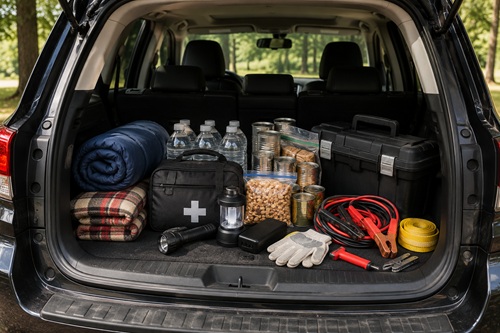
Why Vehicle Preparation Matters
Many emergency plans focus almost entirely on the home, but circumstances may require you to leave unexpectedly. Roads may close, grocery stores may be farther away than expected, fuel stations may lose power, or family members may need transportation.
Routine vehicle maintenance greatly improves reliability during emergencies. Small problems that are merely inconvenient during normal conditions can become major obstacles when repair shops are closed or travel becomes essential.
Maintaining Your Vehicle
Inspect your vehicle regularly and correct minor problems before they become emergencies.
Routine inspections should include:
- Tire pressure and tire condition
- Engine oil
- Coolant level
- Brake fluid
- Windshield washer fluid
- Battery condition
- Exterior lights
- Windshield wipers
- Spare tire and jack
If your vehicle requires scheduled maintenance, complete it before severe weather seasons whenever possible.
Managing Your Fuel Supply
One of the simplest preparedness habits is keeping your fuel tank at least half full.
Many service stations rely on electricity to operate fuel pumps. During widespread outages, stations may close temporarily, operate with limited capacity, or develop long waiting lines. Having additional fuel already in your vehicle gives you greater flexibility if travel becomes necessary.
If your household owns portable fuel containers, store fuel only in approved containers and follow all local safety regulations regarding storage.
Building a Vehicle Emergency Kit
Your vehicle should contain supplies that allow you to remain safe if you become stranded or delayed.
Basic Vehicle Emergency Kit
| Item | Purpose |
|---|---|
| Drinking water | Hydration |
| Shelf-stable snacks | Emergency food |
| Flashlight | Nighttime visibility |
| First aid kit | Minor injuries |
| Jumper cables | Dead battery assistance |
| Phone charging cable | Charging electronics |
| Blanket | Warmth |
| Work gloves | Vehicle repairs |
| Reflective warning triangles | Roadside visibility |
| Basic tool kit | Minor repairs |
Seasonal Additions
Adjust your vehicle kit as the seasons change.
Winter
- Ice scraper
- Snow brush
- Small shovel
- Traction aid (sand or traction mats)
- Extra gloves
- Warm hat
- Winter boots
Summer
- Additional drinking water
- Sunscreen
- Wide-brim hat
- Insect repellent
- Cooling towel
Rotating seasonal equipment twice each year ensures your vehicle remains prepared for changing weather conditions.
Using Your Vehicle Safely
A vehicle can also serve as a temporary power source.
With the engine running outdoors, you can recharge:
- Mobile phones
- Portable power banks
- Flashlights
- Tablets
- GPS devices
Avoid unnecessary idling, as it consumes fuel that may be needed later.
Never run a vehicle inside a garage, even if the garage door is open. Carbon monoxide can accumulate quickly and create life-threatening conditions.
Maintenance Tip
Inspect your vehicle emergency kit every six months. Replace expired food, rotate bottled water, inspect batteries, and verify that all equipment remains in good working condition.
Quick Tip
Whenever severe weather is forecast, top off your fuel tank and confirm your emergency kit is complete. These simple tasks require only a few minutes but can save valuable time if conditions deteriorate.
Creating a Household Emergency Plan
Emergency supplies are far more effective when everyone in the household understands how they will be used. A simple emergency plan reduces confusion, improves communication, and helps ensure important tasks are completed quickly when the power goes out.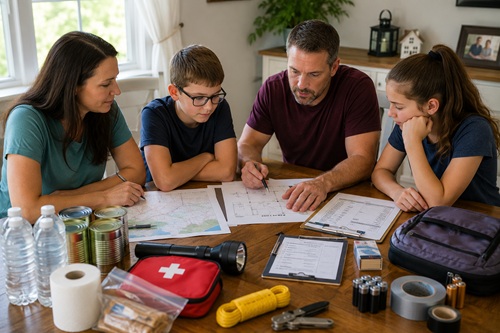
An effective plan does not need to be complicated. It simply needs to answer the questions your household is most likely to face during an emergency.
Assigning Responsibilities
During the first few minutes of an outage, several tasks often need to be completed at the same time. Assigning responsibilities before an emergency prevents confusion and ensures nothing important is overlooked.
For example:
- One person retrieves emergency lighting.
- Another checks the refrigerator and freezer.
- Someone gathers important documents.
- Another verifies communication devices are charged.
- Children can help locate flashlights, blankets, or pet supplies.
Responsibilities should match each person’s age, abilities, and experience.
Planning Family Communication
Family members may not always be together when an outage begins. Adults may be at work, children may be at school, or someone may be travelling.
Your emergency plan should answer questions such as:
- How will everyone communicate?
- Where will family members meet?
- Who will check on relatives or neighbours?
- Who is responsible for pets?
- Which out-of-town contact will everyone report to?
Making these decisions ahead of time eliminates unnecessary uncertainty during an emergency.
Planning for Evacuation
Although most power outages can be managed safely at home, severe weather, flooding, wildfire, hazardous material incidents, or structural damage may require evacuation.
Identify:
- A primary evacuation route.
- An alternate route if roads are closed.
- A safe destination.
- Transportation options.
- Supplies that should leave with you.
Review these plans periodically so everyone remains familiar with them.
Household Emergency Planning Checklist
| Planning Item | Review Question |
| Emergency supplies | Does everyone know where they are stored? |
| Communication | How will family members contact one another? |
| Meeting place | Where will everyone meet? |
| Emergency contacts | Are phone numbers current? |
| Medical needs | Are medications included? |
| Pets | Are food, carriers, and medications ready? |
| Evacuation | Does everyone know the evacuation routes? |
Review your emergency plan at least once each year. Families change, phone numbers change, medications change, and emergency supplies are gradually replaced. Keeping your plan current ensures it remains useful.
Planning Tip
Practice your emergency plan once each year. Even a brief walk-through often identifies missing supplies or responsibilities that need clarification.
Quick Tip
Keep one printed copy of your emergency plan with your emergency supplies and another in your vehicle so it remains accessible if electronic devices become unavailable.
Key Takeaways
Preparing for an extended power outage begins long before the electricity goes out. By understanding how your household depends on electrical power and developing practical alternatives, you can continue meeting your family’s basic needs while reducing unnecessary stress and avoiding common mistakes.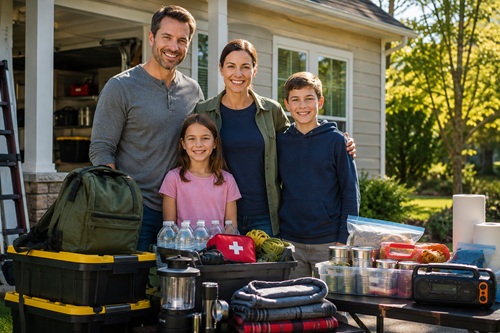
Throughout this guide, you’ve learned how to secure a reliable water supply, protect refrigerated and frozen food, build an emergency pantry, select dependable lighting, prepare meals without electricity, maintain communication, manage indoor temperatures, organize medical supplies, protect important documents, prepare your vehicle, and develop a practical household emergency plan.
Preparedness does not require completing everything at once. Building supplies gradually, testing equipment before it is needed, rotating stored food and water, reviewing your emergency plan, and making improvements after each outage are simple steps that strengthen your household’s readiness over time.
Every household is different, so use the information in this guide to develop a plan that reflects your family’s needs, your home, your climate, and your available resources. A well-organized emergency plan, combined with practical knowledge and properly maintained supplies, allows you to respond more effectively whenever an extended power outage occurs.
Extended Power Outage Quick Reference Checklist
Use this checklist before, during, and after a power outage to quickly review the most important preparedness tasks.
Water
☐ Store at least one gallon (4 litres) of water per person per day.
☐ Keep additional water for cooking, hygiene, pets, and sanitation.
☐ Maintain at least one backup water treatment method.
☐ Inspect stored water annually.
Food
☐ Keep refrigerator and freezer doors closed.
☐ Eat refrigerated foods first.
☐ Transition to frozen foods.
☐ Use shelf-stable pantry foods last.
☐ Keep a manual can opener with emergency supplies.
Lighting
☐ Store flashlights throughout the home.
☐ Keep spare batteries organized.
☐ Recharge rechargeable batteries regularly.
☐ Test emergency lighting every six months.
Cooking
☐ Store emergency cooking equipment with fuel.
☐ Practice using emergency stoves.
☐ Never operate fuel-burning appliances indoors.
Communication
☐ Charge phones and power banks.
☐ Keep a battery-powered or hand-crank radio.
☐ Maintain printed emergency contact information.
☐ Download offline maps.
Medical
☐ Inspect first aid supplies.
☐ Replace expired medications.
☐ Review prescription supplies.
☐ Maintain hygiene supplies.
Documents
☐ Organize important documents.
☐ Create digital backups.
☐ Review emergency contact information.
Vehicle
☐ Keep fuel above half a tank.
☐ Inspect your emergency vehicle kit.
☐ Rotate seasonal supplies.
☐ Check battery and tire condition.
Household Plan
☐ Review family communication procedures.
☐ Update emergency contacts.
☐ Practice your emergency plan.
☐ Review supplies once each year.
© Prepping Communities. This content is for informational purposes only and not professional advice. Use at your own risk.
Terms | Privacy | Guidelines