
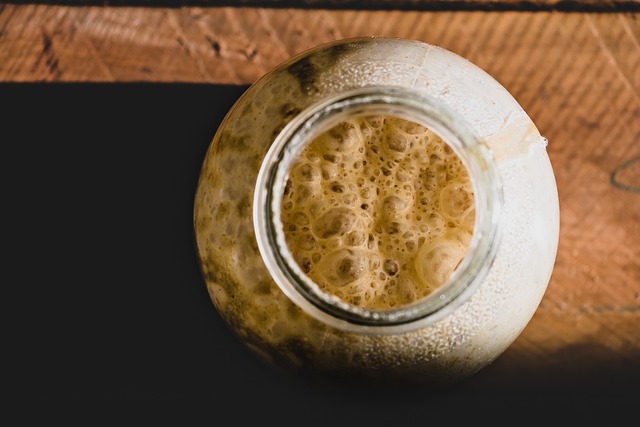
Home-Made Yeast is a collection of traditional recipes, historical methods, and practical techniques for producing, maintaining, storing, and preserving yeast without relying on commercially manufactured products. The document brings together a variety of old homesteading, pioneer, brewing, baking, and fermentation methods that were commonly used before modern packaged yeast became widely available. It serves as both a historical reference and a practical preparedness resource for individuals interested in self-sufficiency and long-term food production.
The guide begins by explaining the basic role of yeast in baking and fermentation, describing the differences between baker’s yeast and brewer’s yeast and how yeast converts sugars into carbon dioxide and alcohol. Several sections then provide traditional recipes for producing homemade yeast using ingredients such as hops, potatoes, flour, malt, sugar, grain meals, and naturally occurring wild yeasts. Multiple historical recipes are included, demonstrating how families and homesteaders maintained yeast cultures long before commercial packets became available. Pages 3, 4, 6, and 11 contain several examples of hop yeast and potato-based yeast recipes.
A major portion of the document focuses on maintaining active yeast cultures over long periods. The publication explains how to make and maintain sourdough starters, propagate yeast from existing cultures, create yeast “worts,” preserve yeast through drying, and store starter cultures for future baking. Particularly useful are the discussions on pages 7, 13, and 14, which describe starter maintenance, bulk yeast production, dried yeast preservation, and methods for testing whether stored yeast remains viable. These techniques allow bakers to maintain ongoing yeast supplies even during supply shortages or extended disruptions.
The final sections explore traditional fermentation practices from around the world, including historical Chinese fermentation cultures, naturally occurring molds and yeasts, and techniques for capturing wild fermentation organisms from the environment. While some of these methods are more experimental and historical in nature, they provide fascinating insight into how people developed fermentation cultures long before modern microbiology. Overall, the document preserves valuable traditional knowledge related to bread making, fermentation, food preservation, and self-reliance.
© Prepping Communities. This content is for informational purposes only and not professional advice. Use at your own risk.
Terms | Privacy | Guidelines