
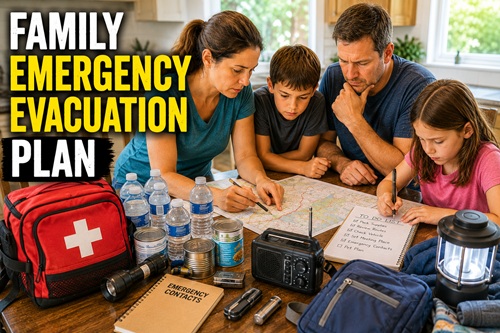
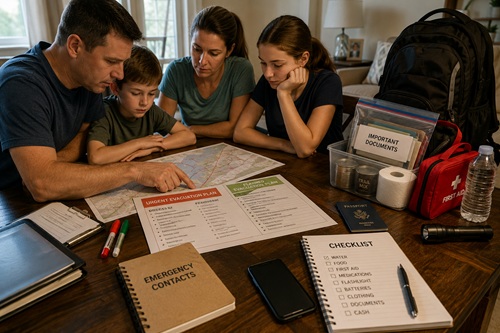
Two Plans Every Household Should Have
Every household should have an evacuation plan before an emergency happens. The biggest mistake families make is assuming they will have enough time to figure everything out when a disaster occurs. Some emergencies require leaving immediately with little or no warning, while others provide time to prepare and make careful decisions.
A complete evacuation strategy should include both an urgent evacuation plan and a planned evacuation plan. These two situations require different approaches, different priorities, and different levels of preparation.
Understanding the Two Types of Evacuations
Not every evacuation looks the same. A house fire, gas leak, or nearby chemical accident may require leaving within minutes. A hurricane, wildfire approaching slowly, or major flood may provide hours or days to prepare.
The difference between these situations is time. When there is no warning, your actions must be automatic. When you have advance notice, your goal is to leave safely before conditions become dangerous.
Preparing for both situations gives your family more options and reduces confusion during stressful events.
Plan One: Urgent Evacuation
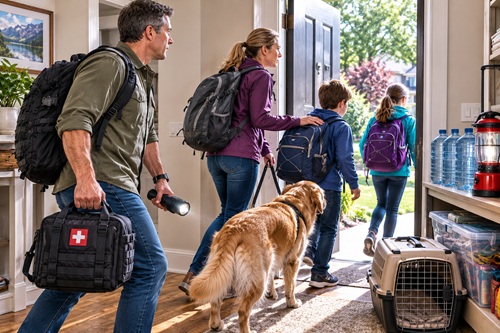
An urgent evacuation happens when staying inside your home is immediately dangerous. There may be no time to gather belongings, organize supplies, or make detailed decisions.
Examples include:
- House fire
- Gas leak
- Chemical spill
- Nearby explosion
- Tornado damage
- Earthquake damage
- Wildfire approaching quickly
- Flash flooding
- Avalanche
- Civil emergency
During these situations, your priority is simple: get people to safety first. Possessions, documents, and supplies are secondary. A well-practiced plan allows family members to react quickly instead of freezing or wasting valuable time.
Urgent Evacuation Preparation Checklist
☐ Establish at least two ways to exit every bedroom.
☐ Identify a family meeting location outside the home.
☐ Teach children how to evacuate safely.
☐ Practice leaving the home quickly.
☐ Keep emergency supplies easy to access.
☐ Store important documents in a protected location.
☐ Keep medications ready for quick access.
☐ Keep shoes and clothing available near sleeping areas.
☐ Establish an emergency family code word that means “leave now.”
☐ Make sure everyone knows not to return inside for belongings.
Create a Last-Minute Emergency Bag
During an urgent evacuation, you may only have minutes to leave. A small emergency bag can provide critical supplies without slowing you down.
This bag should contain items that are difficult to replace or immediately needed after leaving home.
Last-Minute Bag Checklist
☐ Prescription medications.
☐ Identification documents.
☐ Cash.
☐ Credit cards.
☐ Emergency contacts.
☐ Phone chargers.
☐ Flashlight.
☐ Spare batteries.
☐ Basic hygiene supplies.
☐ Important keys.
☐ Small valuables.
Prepare for Pets
Pets are often forgotten during urgent evacuations because owners are focused on getting people out safely. A pet plan should already exist before an emergency occurs.
Know where carriers, leashes, food, medications, and records are stored. If someone is away from home when an emergency occurs, another trusted person should know how to help.
Pet Evacuation Checklist
☐ Pet carriers accessible.
☐ Food stored.
☐ Water supplies available.
☐ Medications prepared.
☐ Veterinary records protected.
☐ Leashes and harnesses ready.
☐ Backup caregiver identified.
Plan Two: Planned Evacuation
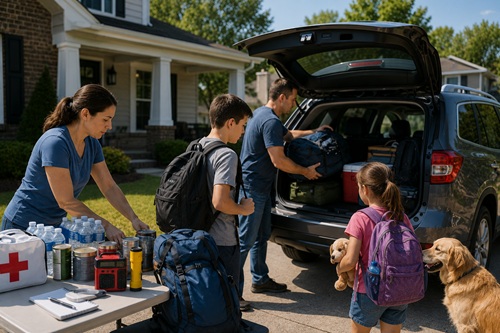
A planned evacuation occurs when you have advance warning. These situations provide more time to prepare, but they still require good decisions.
Examples include:
- Hurricanes
- Large wildfires
- Rising floodwaters
- Severe winter storms
- Volcanic activity
- Long-term power failures
- Extended infrastructure problems
A planned evacuation gives families the opportunity to organize supplies, secure their home, protect important items, and leave before roads become crowded.
The goal is not to wait until the last possible moment. The safest evacuation is often the one completed before everyone else decides to leave.
Planned Evacuation Checklist
☐ Monitor official emergency information.
☐ Confirm evacuation routes.
☐ Identify primary and backup destinations.
☐ Fill vehicle fuel tanks.
☐ Pack emergency supplies.
☐ Prepare pets and animals.
☐ Secure important documents.
☐ Notify family members of plans.
☐ Check on vulnerable neighbors.
☐ Leave early if conditions are worsening.
Choose Evacuation Destinations
Every household should identify several possible destinations before an emergency occurs. Your first choice may not always be available. Roads may close, hotels may fill, or conditions may make certain areas unsafe.
Consider destinations in different directions. Options may include relatives, trusted friends, hotels, campgrounds, or community shelters.
Destination Planning Checklist
☐ Primary evacuation location selected.
☐ Backup location selected.
☐ Routes reviewed.
☐ Pet-friendly locations identified.
☐ Contact information saved.
☐ Directions available offline.
Prepare Your Vehicle
Your vehicle is an important part of your evacuation plan. A poorly prepared vehicle can turn a manageable evacuation into a dangerous situation.
Keep your vehicle maintained and avoid allowing the fuel level to become critically low. Store basic emergency supplies that can remain in the vehicle.
Vehicle Evacuation Checklist
☐ Maintain at least half a tank of fuel.
☐ Check tires.
☐ Check fluids.
☐ Store emergency supplies.
☐ Keep paper maps available.
☐ Pack water and snacks.
☐ Carry a phone charger.
☐ Keep blankets available.
Communication Planning
Families can become separated during emergencies. Cell networks may become overloaded or unavailable, so communication plans should not depend on only one method.
Everyone should know how to contact each other, where to meet, and what to do if communication fails.
Communication Checklist
☐ Emergency contact list created.
☐ Family meeting location selected.
☐ Out-of-area contact identified.
☐ Backup communication method available.
☐ Emergency alerts enabled.
☐ Radios available if needed.
Practice Your Evacuation
A plan that exists only on paper may fail during a real emergency. Practicing helps identify problems before they become dangerous.
Conduct evacuation drills and measure how long it takes to gather family members, pets, supplies, and leave safely.
The goal is not speed at the expense of safety. The goal is confidence and knowing exactly what to do.
Evacuation Practice Checklist
☐ Conduct family evacuation drills.
☐ Test emergency bags.
☐ Practice loading vehicles.
☐ Test pet carriers.
☐ Review routes.
☐ Update plans after each drill.
Common Mistakes
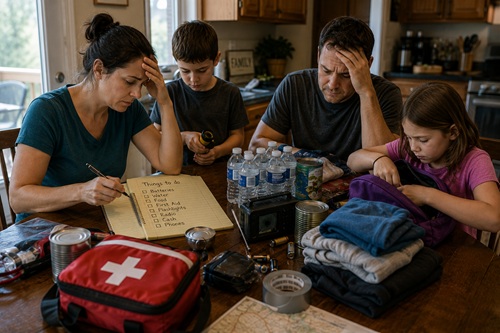
Many families wait until an emergency is already happening before making decisions. This often leads to confusion, forgotten supplies, and dangerous delays.
Another common mistake is assuming emergency responders will always be able to reach you quickly. During large disasters, emergency services may be overwhelmed. A household that can evacuate independently has more options.
Families also underestimate the importance of practicing their plan. Knowing where supplies are stored and having a route selected ahead of time can make a major difference when stress levels are high.
Final Evacuation Readiness Checklist
☐ Two evacuation plans completed.
☐ Emergency bags prepared.
☐ Pet plans completed.
☐ Vehicles maintained.
☐ Multiple destinations identified.
☐ Communication plan reviewed.
☐ Important documents protected.
☐ Family members understand their responsibilities.
☐ Evacuation routes reviewed.
☐ Plans practiced regularly.
Key Takeaways
A prepared household needs two evacuation plans: one for emergencies that require immediate action and one for situations where there is time to prepare.
Urgent evacuations depend on quick reactions, simple procedures, and knowing how to get out safely. Planned evacuations depend on preparation, information gathering, and leaving before conditions become dangerous.
The best evacuation plan is the one your family already understands before an emergency happens. Preparation turns uncertainty into a clear set of actions.
© Prepping Communities. This content is for informational purposes only and not professional advice. Use at your own risk.
Terms | Privacy | Guidelines