
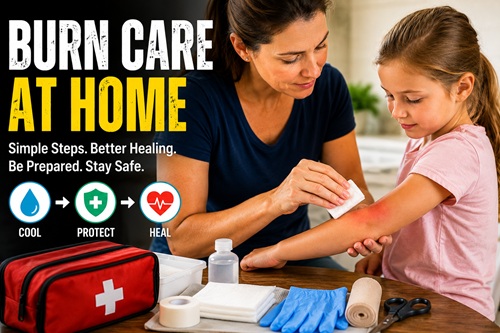
Understanding Immediate Care, Home Treatment, and When to Seek Medical Attention
Introduction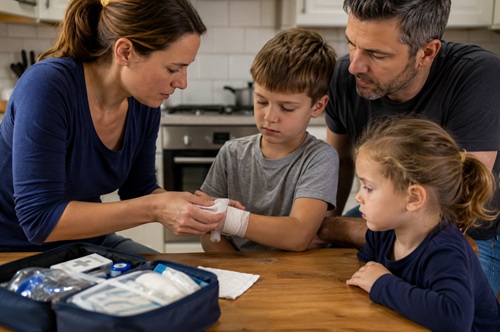
Burn injuries are among the most common accidents that occur at home, in the workplace, and during outdoor activities. Every year, millions of people experience burns while preparing meals, making coffee, working in garages and workshops, tending campfires, repairing vehicles, handling chemicals, or simply spending too much time in the sun. Most are relatively minor, but even a small burn can become more painful, take longer to heal, or develop complications if it is not treated correctly during the first few minutes after the injury occurs.
The encouraging news is that effective burn care is usually straightforward. In many cases, the actions taken immediately after the injury have a greater influence on healing than any cream, ointment, or dressing applied later. Cooling the burn correctly, protecting the damaged skin, preventing infection, and recognizing when professional medical care is needed can significantly improve recovery and reduce the risk of long-term complications.
Unfortunately, burn care is also surrounded by myths and outdated advice. Many people have been told to apply butter, toothpaste, cooking oil, egg whites, or other household remedies to a fresh burn. Although these suggestions are often shared with good intentions, modern medical research has shown that many provide little benefit and may actually trap heat, increase the risk of infection, or make proper treatment more difficult.
Understanding why burns should be treated a certain way is just as important as knowing what to do. When you understand how heat continues damaging tissue after the source has been removed, why blisters form, or how infection develops, the recommended first-aid steps become much easier to remember. Instead of simply following a list of instructions, you gain the knowledge needed to make informed decisions when every situation is slightly different.
This guide provides practical, evidence-based information that can be used at home, while camping, during extended power outages, or in other situations where immediate medical care may not be available. It is not intended to replace physicians, nurses, or emergency medical services. Instead, it is designed to help you respond confidently during those critical first minutes after a burn occurs, care for minor burns safely as they heal, and recognize the warning signs that indicate professional medical attention should no longer be delayed.
Whether you are preparing for emergencies or simply want to be better equipped to care for your family, learning the fundamentals of burn care is one of the most useful first-aid skills you can develop. Burn injuries can happen without warning, but knowing how to respond calmly and correctly can make a meaningful difference in comfort, healing, and recovery.
Understanding Burns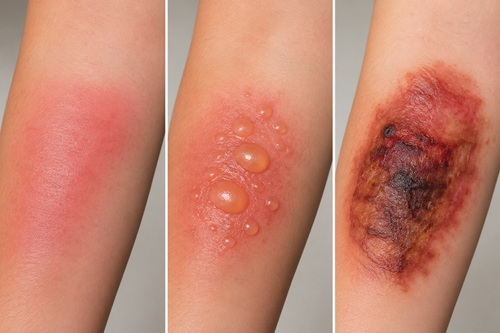
A burn is an injury that occurs when heat, electricity, chemicals, friction, radiation, or extreme cold damages the skin and the tissues beneath it. Although many people immediately think of flames, most burns actually occur during ordinary daily activities. A splash of boiling water, contact with a hot baking tray, steam escaping from a kettle, or touching a hot muffler can all cause painful injuries in only a few seconds.
To understand why burns require prompt treatment, it helps to understand the important role the skin plays. The skin is the body’s largest organ and serves as its first line of defense against the outside world. It helps prevent bacteria from entering the body, reduces fluid loss, regulates body temperature, and contains the nerve endings that allow us to feel heat, cold, pressure, and pain. When the skin is damaged by a burn, many of these protective functions are temporarily lost until healing occurs.
As soon as a burn happens, the body immediately begins responding to the injury. Blood vessels in the affected area widen to increase blood flow, bringing oxygen, nutrients, and immune cells to the damaged tissue. This increased blood flow is responsible for much of the redness and warmth that develops around a fresh burn. At the same time, fluid begins collecting within the injured tissue, causing swelling. Although these changes may appear alarming, they are part of the body’s normal healing response.
One fact surprises many people: the burn often continues developing even after the source of heat has been removed. Heat trapped within the skin continues moving into deeper layers of tissue for several minutes, damaging healthy cells that were not injured during the initial contact. This is why cooling the burn with cool running water is one of the most important first-aid measures. The goal is not simply to reduce pain—it is to remove as much remaining heat as possible before additional tissue damage occurs.
The amount of damage depends on two main factors: temperature and time. A very hot object may cause a serious burn in only a second or two, while a cooler object may require much longer contact before causing the same injury. This is why briefly touching a hot pan may produce only mild redness, while spilling hot cooking oil or remaining trapped against a hot surface can result in much deeper burns.
Healthcare providers also classify burns according to how deeply they penetrate the skin. Superficial burns affect only the outer layer and usually cause redness and tenderness without blistering. Partial-thickness burns extend deeper and commonly produce blisters along with significant pain. Full-thickness burns destroy the entire thickness of the skin and may appear white, gray, brown, black, leathery, or charred. Because many of the nerve endings have been destroyed, these deeper burns may actually be less painful than burns affecting only the upper layers of the skin.
Fortunately, most everyday burns are minor and heal well when treated promptly and appropriately. Understanding how burns develop, why cooling is so important, and how different types of burns behave provides the foundation for making good treatment decisions during the minutes and days that follow.
Not All Burns Are Caused by Flames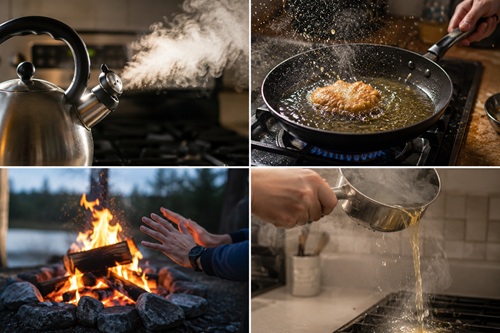
When most people picture a burn, they imagine someone touching a hot stove or being injured by an open flame. In reality, burns occur in many different ways, and understanding the source of the injury often helps determine the most appropriate treatment.
Scalds from hot liquids are among the most common burns treated at home, particularly in kitchens where boiling water, soup, coffee, tea, and other hot beverages can spill unexpectedly. Young children are especially vulnerable because a cup of hot coffee or a bowl of soup can cause significant burns if spilled onto delicate skin.
Steam burns are also surprisingly common and are often more severe than people expect. Steam contains a tremendous amount of heat energy and transfers that heat very efficiently when it comes into contact with cooler skin. Because steam surrounds the affected area rather than simply touching one surface, it can sometimes produce deeper burns than a brief splash of hot water.
Hot cooking oils deserve special attention because they reach temperatures far above the boiling point of water. While water boils at approximately 100°C (212°F), many cooking oils used for frying reach temperatures of 175–190°C (350–375°F) or even higher. Oil also clings to the skin rather than running off immediately, allowing intense heat to remain in contact with the tissue for a longer period. As a result, burns caused by hot oil are often deeper and may require longer healing times than burns caused by boiling water.
Friction burns occur when the skin is scraped against a rough surface, generating enough heat to damage the tissue. Rope burns, treadmill injuries, bicycle accidents, and road rash are all common examples. These injuries combine abrasion with heat damage and should be cleaned carefully because dirt and debris are often embedded in the wound.
Chemical burns occur when acids, alkalis, or other corrosive substances damage the skin. Unlike thermal burns, chemical burns may continue worsening until the chemical has been completely removed. This is why prolonged flushing with clean running water is usually the first and most important treatment.
Electrical burns present another unique hazard. The visible burn on the skin may appear surprisingly small while the electrical current has caused significant damage beneath the surface. Muscles, nerves, blood vessels, and even the heart may be affected despite minimal external injury. For this reason, electrical burns should always be taken seriously and evaluated by a healthcare professional.
Radiation burns are most commonly caused by prolonged exposure to ultraviolet radiation from the sun. While sunburns usually heal without complications, repeated severe sunburns increase the long-term risk of premature skin aging and skin cancer. Medical radiation treatments may also cause burns that require specialized care.
Although burns occur in many different ways, the principles of treatment remain remarkably consistent. Remove the source of injury, cool the affected area when appropriate, protect the damaged skin, prevent infection, and monitor healing carefully. Understanding these principles will help you respond confidently regardless of how the injury occurred.
Immediate Burn Care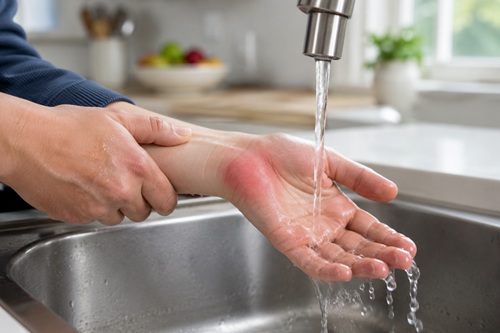
The first few minutes after a burn occurs are often the most important. During this short period, the decisions you make can influence how deeply the injury develops, how much pain the person experiences, and how well the skin ultimately heals. Although the natural instinct may be to immediately search for burn creams, ointments, or bandages, those are not your first priorities. The initial goal is much simpler: stop the burning process, remove any remaining heat from the tissue, and prevent additional injury.
The first step is to make sure the source of the burn has been eliminated. If the injury was caused by a hot pan, move away from the stove. If clothing has caught fire, extinguish the flames immediately. If the burn resulted from electricity, disconnect the power source before touching the injured person if it is safe to do so. Chemical burns require a different approach and should be flushed immediately with large amounts of clean running water while contaminated clothing is carefully removed.
Once the source of the burn has been removed, begin cooling the injured area as quickly as possible. For most burns caused by heat, hot liquids, steam, or hot objects, cool running water is one of the most effective first-aid treatments available. Hold the burned area under cool—not ice-cold—running water for approximately twenty minutes.
Many people stop cooling the burn after only a few minutes because the pain begins to improve. However, pain relief is not the primary objective. Heat remains trapped beneath the surface of the skin long after contact with the hot object has ended. As that heat continues moving into deeper tissue, additional healthy cells may be damaged. Continuing to cool the burn allows this remaining heat to escape, helping limit the depth and severity of the injury.
What If Running Water Isn’t Available?
Although cool running water is considered the preferred treatment for most thermal burns, it may not always be available. Camping, hiking, remote work sites, vehicle accidents, natural disasters, and extended power outages can leave you without immediate access to a sink or clean tap water.
If running water is unavailable, use the coolest clean water available and gently pour it over the burn using a bottle, clean container, or other suitable vessel. A clean cloth may also be soaked and reapplied frequently to help remove heat from the injured tissue. The objective is continuous cooling rather than simply wetting the skin once.
Avoid using water that is extremely cold or taken directly from an ice-filled container. While it may seem like it would cool the burn more quickly, excessive cold can reduce blood flow to already damaged tissue and increase tissue injury. Gentle, prolonged cooling is generally more effective than exposing the burn to extreme temperatures.
If no clean water is available, remove the person from the source of heat, protect the injured area from further contamination, and seek medical assistance as soon as possible. Cooling should begin as soon as a safe source of water becomes available.
While the burn is being cooled, remove rings, watches, bracelets, necklaces, belts, or any other tight objects near the injured area whenever it can be done safely. Clothing covering the burn should also be removed if it is loose and not attached to the skin. However, if clothing has melted into the burn or is firmly stuck to the wound, leave it in place and allow healthcare professionals to remove it later. Pulling attached clothing away may remove healthy tissue and make the injury significantly worse.
Why Removing Jewelry Quickly Matters
Swelling begins surprisingly quickly after a burn occurs. Within minutes, fluid starts moving into the damaged tissue as part of the body’s normal inflammatory response. Although this process supports healing, it can also create problems if rings or other tight objects remain in place.
A ring that slips off easily immediately after the injury may become impossible to remove only a short time later. As swelling increases, jewelry can restrict circulation, increase pain, and place additional pressure on already damaged tissue. In severe cases, emergency responders or hospital staff may need to cut the jewelry off to restore proper blood flow.
Removing jewelry during the first few minutes is usually quick and easy. Waiting even fifteen or twenty minutes may make removal much more difficult.
After cooling has been completed, gently protect the burn with a clean, dry, non-stick dressing if one is available. The purpose of the dressing is not to heal the burn immediately but to protect the injured skin from dirt, bacteria, friction, and further injury while the body’s natural healing process begins. Secure the dressing loosely, as swelling may continue during the first several hours after the injury.
Just as important as knowing what to do is knowing what not to do. Many traditional home remedies have little scientific support and may actually interfere with healing. Butter, cooking oil, grease, toothpaste, flour, egg whites, and similar household products should not be applied to fresh burns. These substances do not remove heat from the tissue. Instead, they may trap heat, introduce bacteria, contaminate the wound, and make later cleaning more difficult. Ice should also be avoided because extreme cold can further damage already injured tissue by reducing healthy blood circulation.
If Clothing Catches Fire
Although most burns occur from hot liquids or hot surfaces, clothing fires require immediate action because the burning fabric continues exposing the skin to intense heat until the flames are extinguished.
The easiest response to remember is Stop, Drop, and Roll. Stop moving immediately, drop to the ground, and roll back and forth until the flames are completely extinguished. Running should be avoided because it supplies additional oxygen to the fire and may cause the flames to spread more rapidly.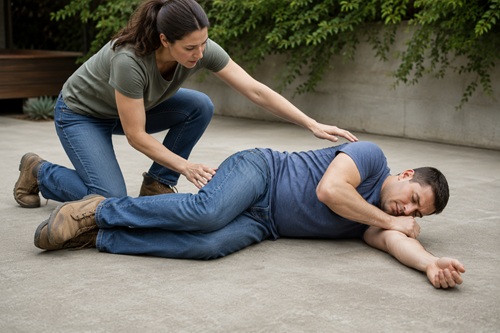
If another person is present, they may use a heavy blanket, sleeping bag, wool coat, or other thick material to smother the flames. Synthetic materials should be avoided whenever possible because they may melt onto the skin. Once the fire has been extinguished, begin cooling any burned areas with cool running water as soon as it is safe to do so.
Even when the visible burns appear relatively small, anyone involved in a clothing fire should be evaluated carefully. Hot smoke and heated gases may have injured the airway even when there are few burns on the outside of the body. Difficulty breathing, hoarseness, coughing, or burns around the mouth and nose require immediate emergency medical attention.
Once these immediate first-aid steps have been completed, take a few moments to evaluate the burn itself. Consider its size, depth, location, and cause. A small burn on a finger presents a very different situation than a burn covering a large portion of the body or involving the face, hands, feet, or airway. Knowing how to assess the severity of a burn is the next step in deciding whether it can be safely managed at home or requires professional medical care.
Knowing When Home Treatment Is Appropriate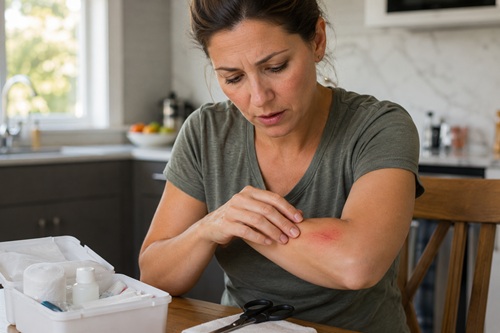
Once the burn has been cooled and protected, take a few moments to evaluate the injury carefully. This assessment is one of the most important decisions you will make because not every burn requires the same level of treatment. Many burns heal successfully at home with proper wound care and observation, while others require prompt medical attention to reduce the risk of infection, permanent injury, or other serious complications.
Fortunately, assessing a burn does not require medical equipment. Healthcare providers begin by asking many of the same questions you can ask yourself. How deep does the burn appear? How large is the injured area? Where on the body is it located? What caused the burn? Answering these questions provides a good indication of whether home treatment is appropriate or whether professional medical care should be sought.
The table below provides a quick reference for the three general categories of burns.
| Burn Severity | Typical Appearance | Home Treatment |
|---|---|---|
| Superficial (Minor Burn) | Red, painful, dry skin with no blisters | Usually appropriate |
| Partial-Thickness (Blistering Burn) | Red or pink skin with blisters, moist appearance, painful | Often appropriate if the burn is small and not on the face, hands, feet, major joints, or genitals |
| Full-Thickness (Deep Burn) | White, gray, brown, black, leathery, or charred skin; may be less painful than expected | No. Seek immediate medical attention. |
Although this table provides a useful starting point, every burn should be evaluated individually. Burns caused by electricity or chemicals, burns involving the face, hands, feet, major joints, eyes, airway, or genital area, burns covering a large portion of the body, or burns accompanied by difficulty breathing should always receive prompt medical evaluation.
Assessing the Depth of the Burn
The appearance of the burn usually provides the first clue to its severity. Superficial burns affect only the outer layer of the skin. The area becomes red, warm, tender, and painful, but the skin remains intact. These burns often resemble mild sunburns and usually heal within several days without permanent scarring.
If blisters begin to develop, the burn has extended deeper into the skin. Although blisters often concern people, they serve an important purpose. The clear fluid beneath the blister cushions the damaged tissue, reduces friction, and creates a natural barrier that helps protect the wound while new skin develops underneath. For this reason, intact blisters should generally be left alone whenever possible.
Many small blistering burns heal successfully at home when they are kept clean, protected with non-stick dressings, and monitored carefully. However, large blistering burns or burns that continue becoming more painful rather than gradually improving deserve closer medical evaluation.
Deep burns require immediate medical attention regardless of their size. If the skin appears white, gray, black, brown, leathery, or charred, the injury may extend through the full thickness of the skin. These burns sometimes cause surprisingly little pain because many of the nerve endings have been destroyed. The absence of severe pain should never be mistaken for a minor injury.
Size Matters
The amount of skin involved is just as important as the depth of the burn. A burn affecting only the tip of one finger presents a very different situation than one covering an entire arm, leg, or large portion of the chest.
As larger areas of skin are damaged, the body loses more fluid, becomes more vulnerable to infection, and must devote far more energy to healing. Large burns can quickly become medical emergencies, even if they initially appear less severe than expected. If you are uncertain whether a burn is too large to manage safely at home, it is always safest to seek medical advice.
Location Matters
Where the burn occurs can be just as important as how large or how deep it is. Burns involving the face, eyes, ears, hands, feet, major joints, or genital area deserve special attention because these parts of the body are essential for normal daily activities. Even relatively small burns in these locations may interfere with movement, vision, or other important functions and often benefit from professional medical assessment.
Burns involving the mouth, throat, or airway should always be treated as medical emergencies. Swelling inside the airway may not be obvious immediately after the injury but can become life-threatening over the following hours.
Consider the Cause
The cause of the burn often provides important clues about injuries that may not be visible.
Electrical burns are particularly deceptive. A small burn on the skin may hide extensive damage beneath the surface because electricity travels through muscles, nerves, blood vessels, and internal organs before leaving the body. Anyone who has sustained an electrical burn should receive medical evaluation, even if the external injury appears minor.
Chemical burns require immediate flushing with large amounts of clean running water because some chemicals continue damaging tissue until they have been completely removed. Never attempt to neutralize one chemical by applying another unless specifically instructed by poison control or emergency medical personnel. In most situations, prolonged flushing with water remains the safest first response.
Consider the Person, Not Just the Burn
The same burn may heal differently depending on who has been injured. Young children have thinner skin, allowing burns to become deeper more quickly. Older adults often heal more slowly because aging skin is thinner and more fragile. Individuals living with diabetes, poor circulation, weakened immune systems, or other chronic medical conditions may also experience delayed healing and a greater risk of infection.
These factors do not necessarily mean a burn is more severe, but they do mean it deserves closer observation and a lower threshold for seeking professional medical advice.
Monitor Healing Carefully
Once you have decided that home treatment is appropriate, continue observing the burn each day. Healing should follow a gradual pattern of improvement. Pain should slowly decrease, swelling should lessen, and healthy new skin should begin forming beneath the damaged surface. Mild itching during healing is common and often indicates that new skin is developing.
A useful rule of thumb is this: burns should become a little better each day, not worse. If pain increases after initially improving, redness begins spreading beyond the edges of the burn, swelling worsens, pus or cloudy drainage develops, an unpleasant odor appears, fever or chills occur, or red streaks begin extending away from the wound, seek medical attention promptly. These changes may indicate an infection that requires treatment beyond basic first aid.
Learning to recognize the difference between burns that can safely be managed at home and those requiring professional medical care is one of the most valuable first-aid skills you can develop. Good judgment protects not only the injured person but also helps ensure that minor burns receive appropriate care while more serious injuries receive timely medical treatment.
Once you have determined that a burn can safely be managed at home, the focus shifts from emergency first aid to supporting the body’s natural healing process. Proper cleaning, dressing changes, good hygiene, adequate nutrition, and careful observation all contribute to successful healing while reducing the risk of infection and long-term complications.
Caring for Minor Burns During Recovery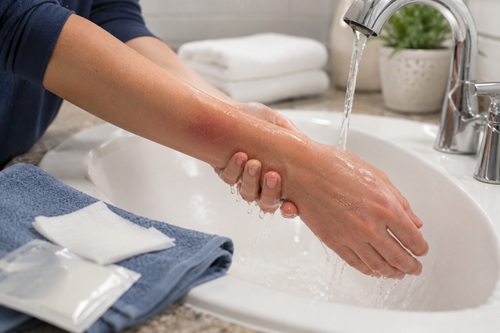
Once you have determined that a burn can safely be treated at home, your focus shifts from emergency first aid to supporting the body’s natural healing process. Although the immediate danger has passed, the damaged skin still requires careful protection while it repairs itself. During the days that follow, your primary goals are to keep the wound clean, reduce the risk of infection, manage discomfort, and prevent additional injury.
Unlike many injuries, burn healing is usually gradual rather than dramatic. Most minor burns improve a little each day. Understanding what normal healing looks like helps you recognize when recovery is progressing as expected and when medical attention may be needed.
Cleaning the Burn
One of the first questions people ask is whether the burn should be washed. The answer is yes, but gently. Burns should be kept clean because damaged skin is less able to protect the body from bacteria.
Before changing the dressing, wash your hands thoroughly with soap and water or use an alcohol-based hand sanitizer. Carefully remove the old dressing. If it sticks to the wound, moisten it with clean water or sterile saline rather than pulling it away. Forcing a dry dressing loose may remove newly formed skin and delay healing.
Gently rinse the burn using clean water. Mild soap may be used around the surrounding skin, but vigorous scrubbing should be avoided. Healing tissue is extremely delicate, and unnecessary friction may slow recovery. If dirt or debris is present, allow clean running water to rinse it away rather than attempting to scrape or pick at the wound.
Applying a Fresh Dressing
After cleaning, protect the burn with a fresh non-stick dressing. The dressing serves several important purposes. It keeps dirt and bacteria away from the wound, protects the fragile skin from friction, reduces discomfort, and creates a healing environment that supports new tissue growth.
If specialized burn dressings are unavailable, a sterile non-stick pad secured loosely with rolled gauze or medical tape is usually an excellent alternative. Avoid wrapping the dressing tightly because swelling may continue during the first day or two after the injury.
Many people believe burns heal faster when they are left uncovered so they can “air out.” Modern wound care generally recommends the opposite. Keeping the wound covered with a clean, non-stick dressing helps protect the healing tissue while reducing pain and lowering the risk of infection.
Changing the Dressing
The dressing should be changed whenever it becomes wet, dirty, or loose. Otherwise, changing it once each day is usually sufficient for most minor burns.
Each dressing change is also an opportunity to inspect the wound carefully. Look for changes in color, swelling, drainage, odor, or increasing redness. Early recognition of abnormal healing often allows problems to be addressed before they become more serious.
Caring for Blisters
Blisters are one of the body’s natural protective responses to a burn. The clear fluid beneath the blister cushions the damaged tissue while creating a barrier that helps reduce infection and supports new skin growth.
For this reason, intact blisters should generally be left alone. Deliberately popping them exposes delicate tissue before it is ready and increases the chance of bacteria entering the wound.
If a blister breaks naturally, gently rinse the area with clean water, pat it dry using a clean towel or sterile gauze, and apply a fresh non-stick dressing. Continue monitoring the wound closely until it has completely healed.
Managing Pain and Itching
Pain is usually greatest during the first day or two after the injury and gradually improves as healing progresses. Protecting the burn from bumps, friction, and unnecessary movement often provides significant relief.
Over-the-counter pain medications may also be helpful when used according to the manufacturer’s directions and if appropriate for the individual. Anyone with allergies, chronic medical conditions, or questions about medication use should consult a healthcare professional.
As healing continues, itching often replaces pain. This is a normal part of the repair process as new skin develops. Although scratching may be tempting, it can damage fragile tissue and increase the risk of infection. Once the wound has completely closed, an approved moisturizer or aloe vera product may help reduce dryness and itching. Burn gels and soothing creams may also provide temporary comfort for minor burns, but they should never replace proper cooling during the first twenty minutes after the injury.
Showering and Daily Activities
Many people wonder whether they can shower while a burn is healing. In most cases, the answer is yes. Allow clean water to run gently over the burn, but avoid very hot water, harsh soaps, or vigorous scrubbing. After showering, gently pat the area dry and apply a fresh dressing if the wound has not yet fully healed.
Returning to normal activities depends on the location and severity of the burn. Minor burns generally heal well, but repeated friction, heavy lifting, or exposure to dirt and chemicals may slow recovery. Protect the healing skin until it has regained its normal strength.
Nutrition Supports Healing
Healing requires energy. Your body needs protein, vitamins, minerals, and adequate fluids to replace damaged tissue and fight infection. Eating balanced meals that include lean proteins, fruits, vegetables, whole grains, and plenty of water provides the nutrients needed for successful recovery.
No single food or supplement dramatically accelerates healing, but poor nutrition and dehydration can significantly slow it.
Protecting New Skin
Newly healed skin is thinner, more sensitive, and more easily damaged than normal skin. Excessive sunlight, repeated friction, or another burn in the same location may increase the likelihood of permanent discoloration or scarring.
Once the wound has completely closed, protect the area from prolonged sun exposure for several months whenever possible. Covering the skin or using sunscreen after healing has occurred may help reduce long-term color changes.
Know What Normal Healing Looks Like
Minor burns usually become a little better each day. Pain decreases, swelling improves, redness gradually fades, and new skin slowly replaces the damaged tissue.
If the opposite occurs, pay attention. Increasing pain after initial improvement, redness spreading beyond the edges of the burn, worsening swelling, pus or cloudy drainage, an unpleasant odor, fever, chills, or red streaks extending away from the wound may all indicate infection. These warning signs should never be ignored because early treatment is usually much simpler than waiting until the infection becomes more advanced.
Fortunately, the vast majority of everyday burns heal successfully with patience, cleanliness, and careful observation. Rather than relying on numerous creams or home remedies, focus on the fundamentals: keep the wound clean, protect it from additional injury, support your body’s natural healing through good nutrition and hydration, and monitor recovery carefully. These simple steps allow the body’s remarkable healing abilities to work as effectively as possible while reducing the risk of complications.
Building a Practical Burn Care Kit
One of the best times to prepare for a burn injury is before one ever occurs. Burns happen without warning, and during the first few minutes after an injury, every minute spent searching through cupboards or driving to a pharmacy delays treatment. Having a well-stocked burn care kit allows you to begin caring for the injury immediately, whether it occurs at home, while camping, in a workshop, or during an emergency when access to medical supplies may be limited.
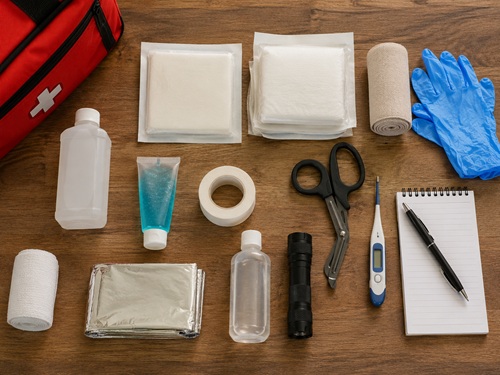
Fortunately, an effective burn care kit does not need to be expensive or complicated. Most of the supplies are inexpensive, have a long shelf life, and are useful for many other first-aid situations as well. Rather than purchasing a specialized burn kit, many households can build an excellent one by adding a few carefully selected items to an existing first aid kit.
Non-Stick Dressings
Sterile non-stick dressings should form the foundation of every burn care kit. Unlike ordinary gauze, these dressings are designed to protect the wound without sticking to newly forming skin. This makes dressing changes much less painful while reducing the risk of accidentally removing delicate healing tissue.
Rolled Gauze and Medical Tape
Rolled gauze and medical tape are used to secure dressings in place. The dressing should remain secure without placing excessive pressure on the injured area. Because burns often swell during the first day or two, bandages should always be applied loosely and checked regularly to ensure they are not restricting circulation.
Sterile Saline or Clean Water
A bottle of sterile saline solution is useful for gently rinsing wounds and moistening dressings that have become stuck during removal. Although clean running tap water is perfectly appropriate for cooling and cleaning most burns at home, sterile saline becomes especially valuable while traveling, camping, or in situations where clean water may not be immediately available.
Disposable Medical Gloves
Disposable gloves help reduce the transfer of bacteria from the caregiver’s hands to the wound while also providing protection from blood and other bodily fluids. If gloves are unavailable, careful handwashing before and after every dressing change remains one of the simplest and most effective infection-control measures.
Trauma Shears, Scissors, and Tweezers
Small trauma shears or medical scissors are useful for cutting dressings, tape, or clothing away from an injured area. Tweezers may help remove loose debris around the wound, but they should never be used to pull away skin that remains attached to the burn. Doing so may increase tissue damage and delay healing.
Burn Gel and Aloe Vera
Burn gels designed specifically for first aid may provide temporary comfort for minor burns after the initial cooling period has been completed. Aloe vera gel may also help soothe minor burns once the injury has stabilized. Neither product replaces immediate cooling with running water, and neither should be applied to deep burns requiring professional medical attention. Their role is to improve comfort—not to replace proper first aid.
Pain Relief
Over-the-counter pain medications may help improve comfort during the first several days of healing when used according to the manufacturer’s directions. Keeping a supply in your first aid kit allows treatment to begin promptly if appropriate for the injured person. Individuals with allergies, chronic medical conditions, or questions about medication use should consult their healthcare provider.
Digital Thermometer
A digital thermometer is an inexpensive but valuable tool. Fever may be one of the earliest signs that a burn has become infected. Being able to accurately monitor body temperature provides useful information if medical evaluation later becomes necessary.
Flashlight or Headlamp
Good lighting is often overlooked during first aid. A small flashlight or headlamp makes it much easier to examine burns, perform dressing changes, or provide care during power outages or nighttime emergencies.
Notebook and Pen
Keeping a small notebook with your medical supplies can be surprisingly useful. Recording the date and time of the injury, changes in the burn’s appearance, dressing changes, pain levels, and any signs of infection creates a simple record that may assist healthcare providers if additional treatment becomes necessary.
Portable Burn Kit
If your family enjoys camping, hiking, hunting, boating, or traveling long distances, consider assembling a smaller burn care kit for your vehicle or outdoor equipment. A compact kit containing non-stick dressings, rolled gauze, medical tape, gloves, sterile saline, burn gel, trauma shears, and basic pain medication can provide valuable care until professional medical assistance becomes available.
Maintain Your Kit
A first aid kit is only useful if it is ready when you need it. Inspect your supplies once or twice each year, replace expired medications, restock used dressings, check batteries in flashlights, and inspect sterile packaging for damage. Taking a few minutes to maintain your kit regularly helps ensure everything is available when an emergency occurs.
The purpose of a burn care kit is not to replace professional medical treatment. Its purpose is to help you respond quickly and confidently during the critical first hours after an injury. Combined with the knowledge you’ve gained throughout this guide, a well-prepared burn care kit allows you to provide effective first aid, support the healing process, and recognize when professional medical care is needed.
Preparedness is often measured by the supplies we store, but those supplies are only as valuable as our ability to use them effectively. A thoughtfully stocked burn care kit, combined with practical knowledge and regular maintenance, provides the confidence to respond calmly and appropriately when burn injuries occur.
Key Takeaways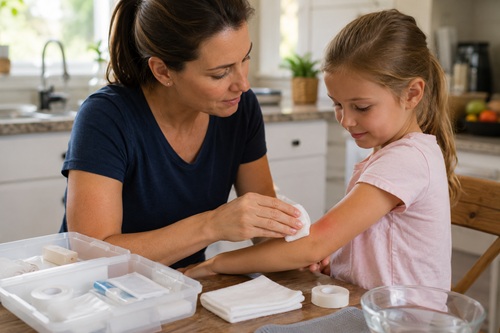
Burn injuries are common, but they are also among the few medical emergencies where simple first aid can have a significant impact on healing. The actions taken during the first twenty minutes after a burn occurs often influence how much tissue is damaged, how painful the recovery will be, and whether complications develop.
Throughout this guide, several important principles have appeared repeatedly. Remove the source of the burn as quickly as possible. Cool the injured area with cool running water for approximately twenty minutes. Avoid home remedies that may trap heat or increase the risk of infection. Protect the wound with a clean, non-stick dressing, monitor healing carefully, and seek professional medical care whenever the burn is severe or you are uncertain about its seriousness.
Remember that successful burn care does not end after the first aid has been provided. Healing continues for days or weeks, and proper wound care, good hygiene, adequate nutrition, and careful observation all contribute to a successful recovery. Burns should gradually improve over time. If they become more painful, increasingly red, swollen, or show signs of infection, they should be evaluated by a healthcare professional without delay.
Perhaps the most important lesson is that effective burn care does not require complicated equipment or advanced medical training. Understanding the basic principles of burn treatment, recognizing your limits, and having a few essential supplies readily available will prepare you to manage most minor burn injuries safely and confidently.
Accidents cannot always be prevented, but being prepared to respond appropriately can reduce complications, improve healing, and help you care for yourself or someone else until recovery is complete or professional medical care becomes available.
© Prepping Communities. This content is for informational purposes only and not professional advice. Use at your own risk.
Terms | Privacy | Guidelines