
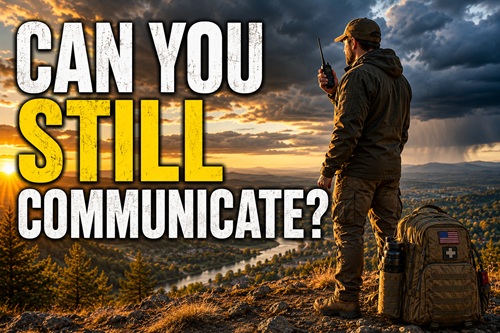
Why Communication Planning Matters
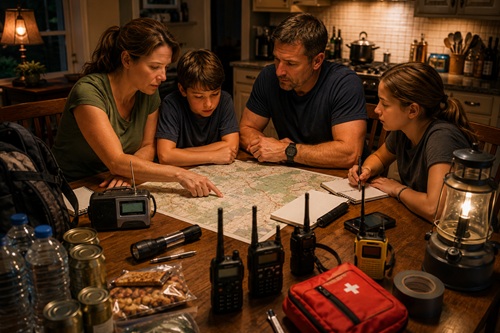
One of the first systems people lose during a major emergency is reliable communication. Power outages can shut down internet service, cellular networks may become overloaded, and television broadcasts may be interrupted just when accurate information is needed most. Families can quickly become separated, making it difficult to know where loved ones are or whether they are safe. A well-developed communication plan removes much of this uncertainty by providing multiple ways to receive information, stay connected, and make informed decisions when normal services become unreliable.
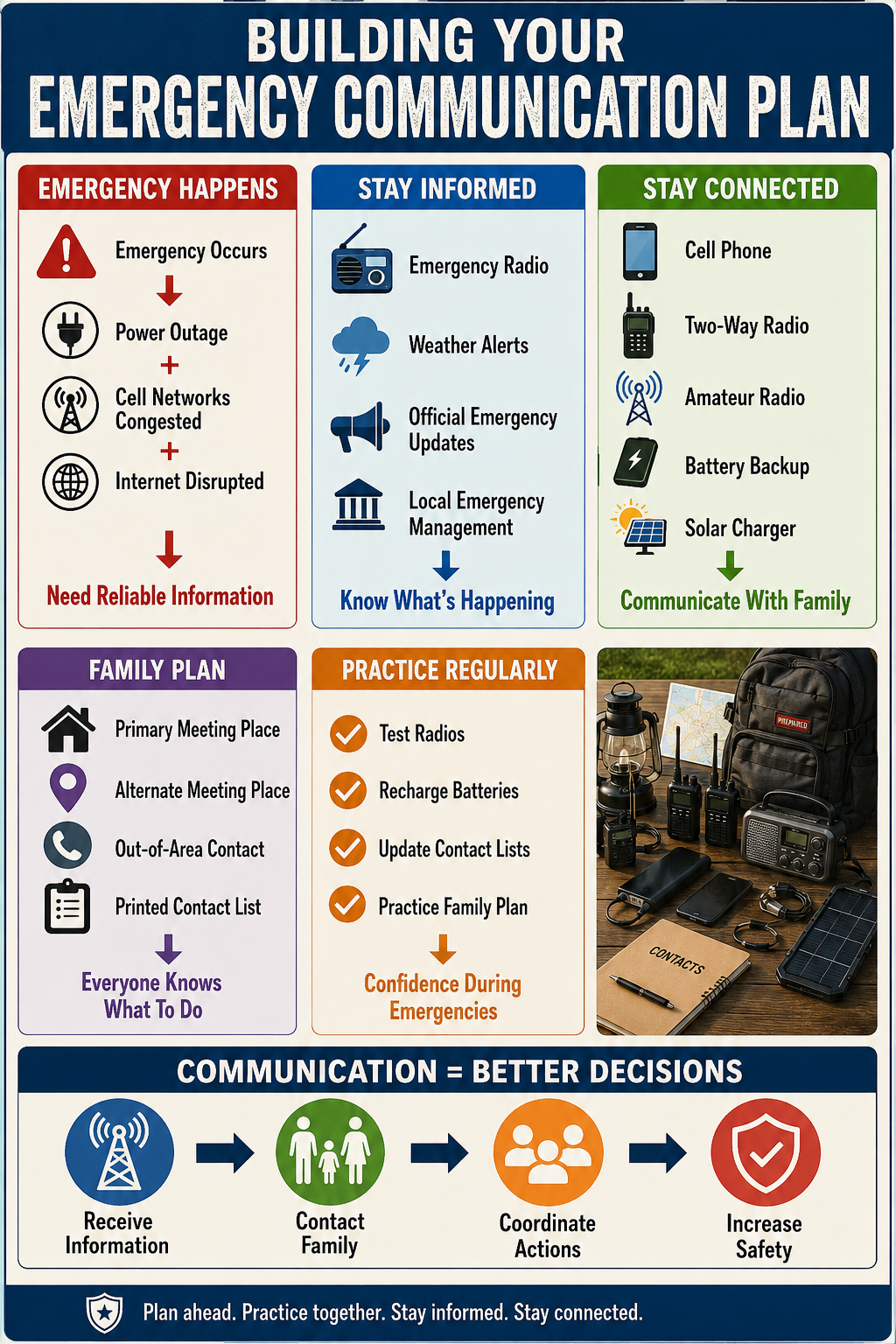
Every communication plan should begin by identifying dependable sources of emergency information. Local emergency management agencies, weather services, emergency radio broadcasts, and public safety announcements all play an important role during disasters.
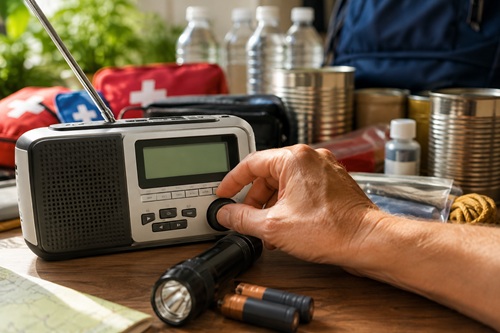 Rather than trying to search for information during a crisis, take time now to identify the radio stations, weather frequencies, and emergency alert channels that serve your community. Program these into your emergency radio if possible, or keep a printed list with your emergency supplies so anyone in your household can quickly find the information they need.
Although smartphones have become the primary communication tool for most people, they should never be the only option. Cell towers can become overwhelmed within minutes of a major emergency, and extended power outages may prevent devices from being recharged. A resilient communication plan includes several backup methods. Battery-powered or hand-crank emergency radios allow you to receive official updates even when the power is out. Portable battery banks, vehicle charging adapters, and solar chargers can help keep essential electronics operating longer.
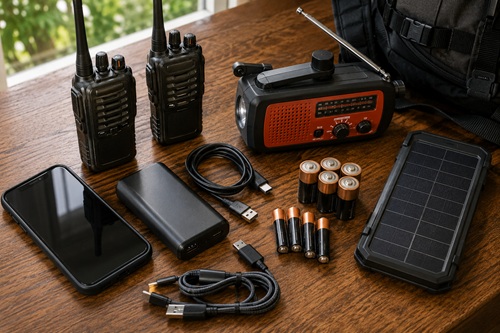
For communicating over short distances, handheld two-way radios may allow family members or neighbors to stay in contact without relying on cellular networks. Individuals seeking even greater resilience often choose to become licensed amateur radio operators, providing the ability to communicate over much greater distances when conventional systems are unavailable.
Communication planning should also focus on the people who matter most. Every household should decide in advance how family members will contact one another if normal communication systems fail. Establishing both a nearby meeting location and an alternate location outside your neighborhood helps reduce confusion if evacuation becomes necessary. Family members should also maintain printed copies of important phone numbers, addresses, and emergency contacts rather than depending entirely on information stored in their mobile phones. If electronic devices fail or become damaged, these printed records can prove invaluable.
Like any preparedness skill, communication planning is only effective if it is practiced. Emergency radios should be tested regularly to verify they still receive local broadcasts, backup batteries should be inspected and replaced as needed, and charging equipment should be checked to ensure it remains operational.
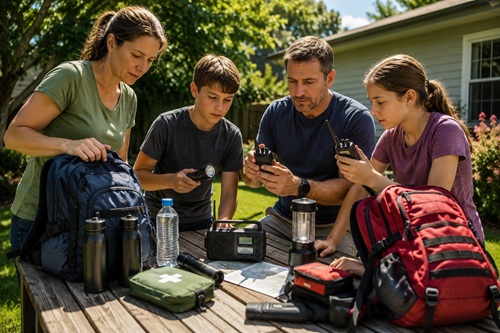
Families should review their communication plans together, practice meeting procedures, and verify that everyone understands how to operate the equipment available to them. Small exercises performed throughout the year build familiarity and confidence while helping identify weaknesses before a real emergency occurs.
Preparedness Perspective
Many people spend considerable time gathering emergency supplies but give little thought to how they will receive critical information once an emergency begins. Communication is one of the foundations of preparedness because it influences nearly every decision made during a disaster. Knowing when to evacuate, where to find assistance, how to contact loved ones, and what hazards exist nearby all depend on maintaining reliable access to information. By building multiple layers of communication into your preparedness plan and practicing them regularly, you significantly increase your family’s ability to respond calmly, safely, and effectively regardless of the emergency.
Emergency Communication Plan Worksheet
Household Information
Primary Household Address: ____________________________________________
Date Plan Created: _______________________
Last Reviewed: ___________________________
Next Review Date: ________________________
Emergency Information Sources
List the emergency information sources you will monitor during an emergency.
| Source | Name / Frequency | Notes |
|---|---|---|
| Local Emergency Radio Station | ________________________ | ________________________ |
| Weather Radio Frequency | ________________________ | ________________________ |
| Local News Radio | ________________________ | ________________________ |
| Emergency Management Website | ________________________ | ________________________ |
| Local Government Alerts | ________________________ | ________________________ |
Family Communication Plan
Primary Meeting Location
Secondary Meeting Location
Out-of-Area Emergency Contact
Name: ___________________________________
Relationship: _____________________________
Phone: ___________________________________
Email: ___________________________________
Household Emergency Contacts
| Name | Cell Phone | Work Phone | Notes |
Communication Equipment Inventory
| Equipment | Quantity | Location | Tested? |
| Cell Phones | □ | ||
| Emergency Radio | □ | ||
| Hand-Crank Radio | □ | ||
| Two-Way Radios | □ | ||
| Amateur Radio | □ | ||
| Portable Battery Bank | □ | ||
| Solar Charger | □ | ||
| Vehicle Charger | □ | ||
| Spare Batteries | □ | ||
| Flashlights | □ |
Important Frequencies
Weather Radio: ______________________________________
Local Emergency Broadcast: ____________________________
Search & Rescue: _____________________________________
Amateur Radio Repeaters: ______________________________
Other Important Frequencies: ___________________________
Communication Procedures
If normal communications fail, our family will:
Neighborhood Resources
Neighbors or nearby friends who may be able to assist during an emergency:
| Name | Address | Phone | Skills / Equipment |
Practice & Maintenance Log
| Task | Frequency | Last Completed |
| Test emergency radio | Monthly | __________ |
| Recharge battery banks | Every 3 months | __________ |
| Replace batteries | Annually | __________ |
| Verify contact information | Every 6 months | __________ |
| Family communication drill | Twice per year | __________ |
| Review meeting locations | Annually | __________ |
Notes
Preparedness Reminder
The best communication plan is one that every member of the household understands and practices. Review this worksheet regularly, update it whenever phone numbers or equipment change, and keep printed copies with your emergency supplies, vehicles, and bug-out bags.
© Prepping Communities. This content is for informational purposes only and not professional advice. Use at your own risk.
Terms | Privacy | Guidelines