

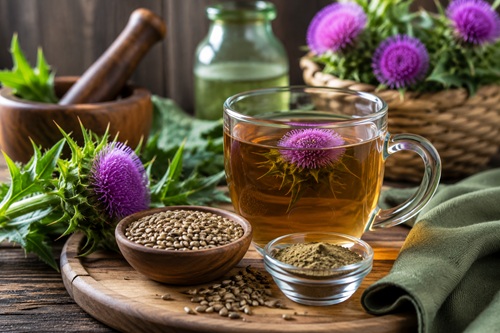
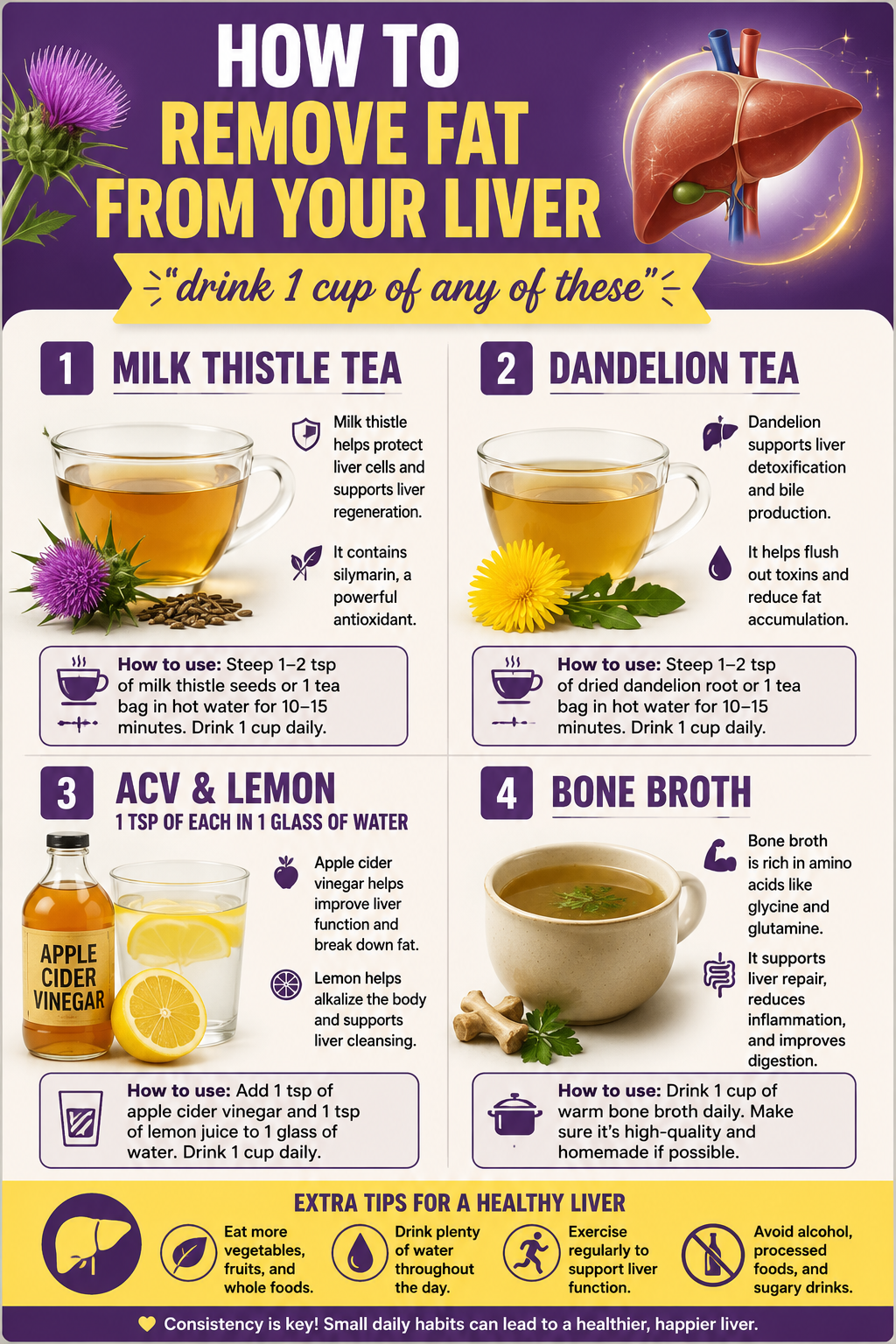
Several traditional foods and herbal preparations have long been used to support normal liver function. Milk thistle is perhaps the best-known example, containing a group of plant compounds called silymarin that has been studied for its antioxidant properties and potential to help protect liver cells. While research results are mixed and milk thistle should not be considered a treatment for liver disease, many people include it as part of an overall healthy lifestyle. Anyone with liver disease or who takes prescription medications should consult a healthcare professional before using herbal supplements.
Dandelion tea has also been used traditionally to support digestion and bile production. Although scientific evidence remains limited, many people enjoy dandelion tea as a caffeine-free beverage that contributes to overall fluid intake. Drinking adequate water throughout the day is important because proper hydration supports many normal bodily processes, including those carried out by the liver and kidneys. Rather than relying on any single beverage, consistent hydration and a nutrient-rich diet provide the greatest long-term benefit.
Apple cider vinegar mixed with lemon juice is another popular home remedy. While there is little clinical evidence that this combination directly removes fat from the liver, it can serve as a refreshing low-calorie drink that encourages water consumption when used in moderation.
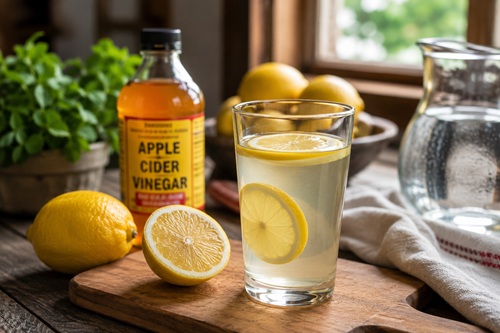
Choosing unsweetened beverages in place of sugary soft drinks may help reduce excess calorie intake, which is one factor that can contribute to the accumulation of fat in the liver over time. Maintaining a healthy body weight through diet and regular physical activity remains one of the most effective ways to reduce fatty liver associated with metabolic dysfunction.
Bone broth provides protein, collagen, amino acids, and minerals that can be incorporated into a balanced diet. While bone broth itself does not cleanse the liver or remove liver fat, it can be a nourishing addition to meals and may help increase overall protein intake. Homemade broth also allows greater control over sodium and ingredients compared to many commercially prepared products. As with any food, it works best as part of a varied and balanced eating pattern rather than as a stand-alone solution.
Supporting liver health is best viewed as a long-term lifestyle practice rather than a short-term cleanse. A diet rich in vegetables, fruits, lean proteins, healthy fats, and whole grains, combined with regular exercise, adequate sleep, maintaining a healthy weight, and limiting alcohol, has the strongest scientific support for reducing the risk of fatty liver disease and promoting healthy liver function. Traditional beverages such as milk thistle tea, dandelion tea, apple cider vinegar with lemon, and bone broth can complement these healthy habits, but they should not replace medical evaluation or treatment for anyone experiencing symptoms of liver disease or diagnosed liver conditions.
© Prepping Communities. This content is for informational purposes only and not professional advice. Use at your own risk.
Terms | Privacy | Guidelines