

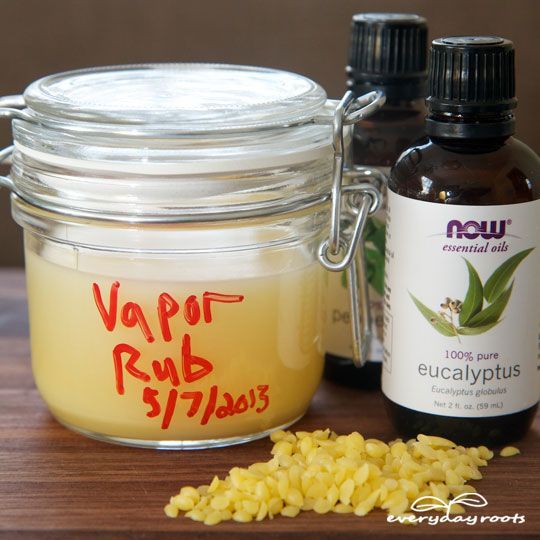
🌿 DIY Natural Vapor Rub (Petroleum-Free Alternative)
We came across a great natural vapor rub alternative shared by our friends at Everyday Roots, and it’s worth passing along.
What stood out immediately?
✅ Simple, wholesome ingredients
✅ No mystery chemicals
✅ Fully customizable
✅ Reusable glass jars (eco-win)
For those of us who prefer knowing exactly what goes on our skin—this one checks a lot of boxes.
🧪 What’s in Traditional Vapor Rub?
According to publicly listed sources, the well-known commercial version includes:
Active Ingredients
🌿 Camphor (4.8%) – cough suppressant, topical analgesic
🌿 Eucalyptol (1.2%) – cough suppressant
🌿 Menthol (2.6%) – cough suppressant, topical analgesic
Inactive Ingredients
⚠️ Cedarleaf oil
⚠️ Nutmeg oil
⚠️ Petrolatum (petroleum jelly)
⚠️ Thymol
⚠️ Turpentine oil
Here’s where things get interesting…
⚠️ Why Some Preppers Look for Alternatives
🛢️ Petroleum Jelly (Petrolatum)
Petroleum jelly is petroleum-derived. While often labeled “inactive,” it:
Creates an occlusive barrier on skin
Can trap contaminants
Raises concerns among those avoiding petroleum distillates altogether
For many preppers, the mindset is simple:
If something is labeled “potentially hazardous,” why gamble when alternatives exist?
🌲 Turpentine Oil (The Gray Area)
Historically, turpentine oil came from distilled pine resin.
Today? It may be replaced with petroleum distillates—and labeling isn’t always specific.
That uncertainty alone is enough for many people to opt out.
🌿 Why DIY Makes Sense
A homemade vapor rub lets you:
✔️ Control ingredients
✔️ Adjust scent strength
✔️ Skip petroleum entirely
✔️ Customize for adults vs kids
✔️ Build a small, reliable home remedy
And yes—beeswax + coconut oil makes a smooth, effective base without plastic or petroleum.
🔬 The Science Behind the Essential Oils
🌬️ Eucalyptus Oil
Rich in 1,8-cineole (eucalyptol)
Studied for antimicrobial & expectorant effects
Commonly used for airway support
Creates that classic “open chest” feeling when inhaled.
❄️ Peppermint Oil
Natural source of menthol
Cooling sensation helps perceived airflow
Known for decongestant, antimicrobial & muscle-soothing effects
Many people find natural menthol gentler than synthetic camphor blends.
🌲 Cedarwood Oil
Often overlooked
Traditionally used for cough calming
Warm, grounding aroma
Helpful for nighttime use when sleep matters
Great option if strong menthol scents are overwhelming.
⚠️ Essential Oil Safety (Important) 🧒 Children
Avoid peppermint & eucalyptus under age 3
Reduce eucalyptus significantly for ages 3–6
Skip rosemary under age 7
Gentler oils: cedarwood, lavender, Roman chamomile
🧴 Always Dilute
Essential oils should never be applied directly to skin.
🧪 Patch Test
Test on inner wrist and wait 24 hours before full use.
📍 Application Areas
Chest, back, throat only
Avoid face, eyes, nose, mouth
🐝 Better Bases Than Petroleum
🥥 Coconut Oil
✔️ Naturally antimicrobial
✔️ Absorbs well
✔️ Solid at room temperature
🫒 Olive Oil
✔️ Antioxidants
✔️ Skin-nourishing
✔️ Excellent carrier oil
🐝 Beeswax
✔️ Perfect texture
✔️ Mild antibacterial properties
✔️ Vegan option: candelilla wax (use half the amount)
🛠️ Advanced Blend Ideas
🌙 Nighttime Relief
🌿 Lavender
🌿 Frankincense
🤧 Sinus Support
🌿 Tea tree
🌿 Rosemary
🌿 Ginger
👶 Child-Safe (Ages 3–10)
🌿 Cedarwood
🌿 Lavender
🌿 Roman chamomile
(Always follow dilution guidelines.)
🫙 Storage & Shelf Life
📦 Store cool & dark
🫙 Use glass containers
🧼 Clean hands or spatula
⏳ Good for 6–12 months
🚫 Discard if smell or texture changes
🔗 Full Tutorial
👉 https://everydayroots.com/diy-vapor-rub
💬 Final Thoughts
Nutmeg oil and thymol labeled as “inactive” raised some eyebrows—and rightly so. Some ingredients are only “inactive” because they’re not officially recognized for the stated purpose, not because they’re harmless or weak.
Personally?
🌿 Eucalyptus
🌿 Peppermint
🌿 Maybe a touch of rosemary
Simple. Effective. Transparent.
💬 What’s Your Take?
Do you use vapor rubs?
DIY remedies?
Any essential oils you swear by—or avoid?
Drop your thoughts below 👇