
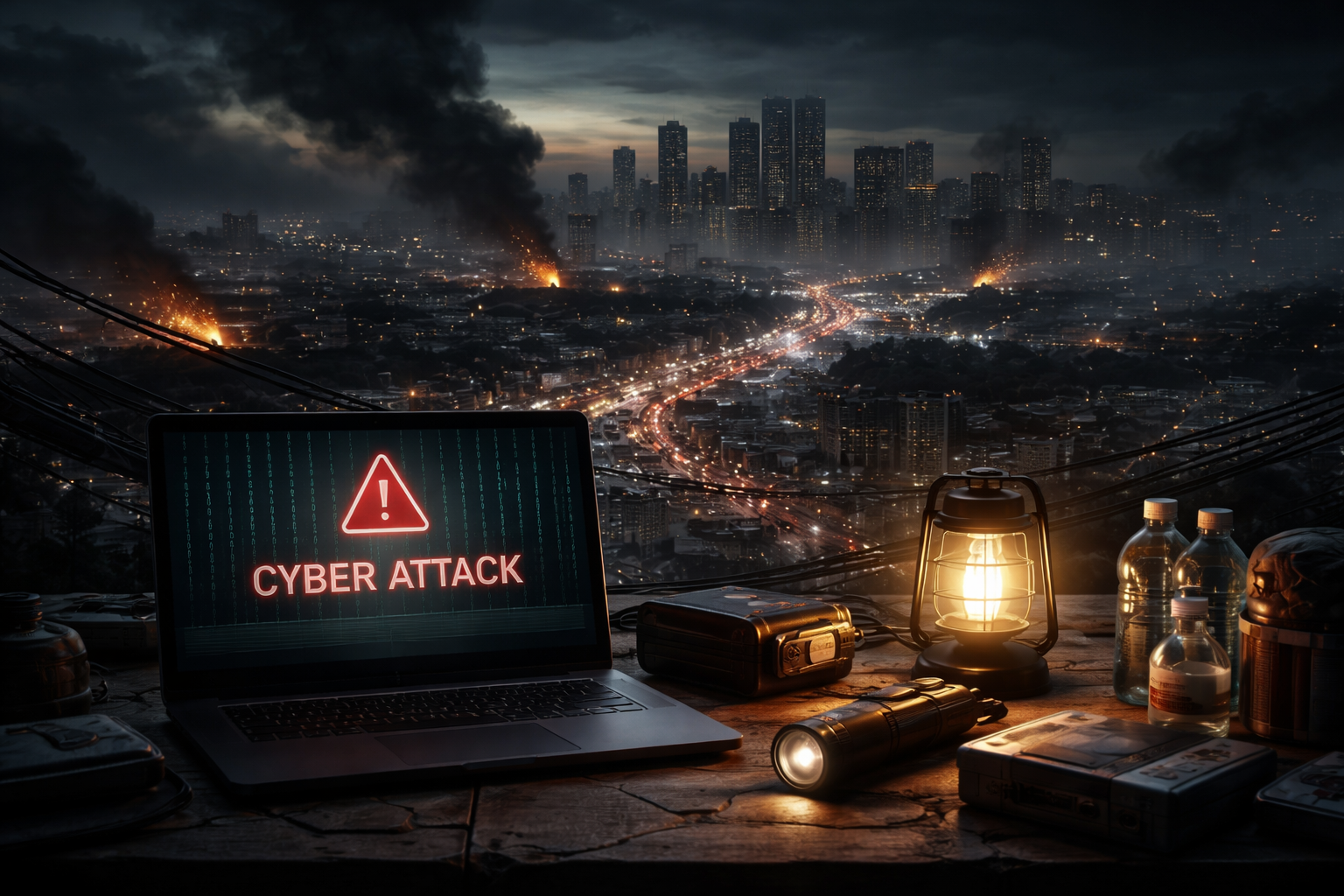
Modern wars are no longer fought only with soldiers, tanks, and missiles. Increasingly, conflicts are fought through computer networks and digital infrastructure. One of the most critical targets in this new type of conflict is the electrical power grid.
Electricity powers nearly every system modern society depends on. From transportation and communications to banking and supply chains, the power grid acts as the foundation of daily life. If that foundation fails, the effects spread quickly.
Cybersecurity experts and infrastructure analysts have warned for years that power grids around the world are frequent targets for cyber intrusion. These attacks may involve malware, ransomware, or sophisticated attempts to gain access to grid management systems.
Unlike a hurricane or earthquake, cyberattacks often happen quietly. Intruders may spend weeks or months inside a network before launching a coordinated strike. When the attack finally happens, it can appear sudden and widespread.
A successful cyberattack on grid infrastructure could trigger regional blackouts lasting days or even weeks. And once the power goes out, the consequences quickly ripple across many parts of society.
Traffic lights stop working, causing immediate transportation problems. Gas stations can no longer pump fuel because pumps rely on electricity. ATMs and credit card networks may fail, leaving people unable to access money or make purchases.
Communication networks may also begin to degrade. Cellular towers have backup power systems, but those systems usually last only a limited time before fuel runs out. Internet services and data centers can also become unstable during extended outages.
Supply chains depend heavily on electricity as well. Warehouses, distribution centers, and transportation networks all rely on digital systems and powered equipment. Without electricity, food deliveries slow down, refrigeration systems fail, and store shelves may begin to empty.
What starts as a blackout can quickly turn into a much broader disruption affecting transportation, communications, banking, and access to essential goods.
Cyber incidents targeting infrastructure have already happened in the real world. Attacks on electrical systems in Eastern Europe and ransomware attacks against major energy infrastructure in North America have shown that cyber operations can produce tangible disruptions affecting millions of people.
Because cyberattacks are difficult to predict and may occur without warning, preparation becomes extremely important. Waiting until systems begin to fail is too late.
Preparation for a cyber-related blackout is similar to preparing for other disasters, but there are a few additional considerations.
First, lighting and basic power independence become essential. Battery lanterns, headlamps, flashlights, and solar charging systems allow a household to function safely during extended outages. Portable power stations and small generators can also support critical devices.
Second, communication planning is important. During a grid failure, cellular networks may become unreliable or fail entirely. Battery-powered radios, two-way radios, or other off-grid communication options can help maintain access to information.
Third, financial resilience matters. Digital payment systems depend on electricity and internet connectivity. During a prolonged outage, credit cards and mobile payment apps may not work. Keeping some physical cash available can help when electronic systems fail.
Fourth, households should maintain basic emergency supplies. Water storage, shelf-stable food, medications, hygiene supplies, and simple cooking methods allow families to operate independently while systems recover.
Even small preparations can dramatically reduce stress during a disruption. A household that can provide its own lighting, food, water, and communication for a few weeks is far more resilient than one that depends entirely on public infrastructure.
Cyber warfare represents a new kind of threat because it targets the systems that support everyday life. The attack may be invisible, but the consequences are not.
Governments and infrastructure providers continue working to strengthen grid security. However, large systems are complex, and no system is completely immune from disruption.
For individuals and families, preparedness becomes the final layer of resilience.
The goal is not fear or panic. The goal is readiness.
Assume that systems can fail. Build simple backups where possible. Store a few essential supplies. Make a communication plan.
If the lights ever do go out, preparation can turn a chaotic situation into one that is manageable.