

Most people aren’t drinking the kind of water their body actually needs.
If you’re using a common pitcher filter, it’s probably leaving behind the very toxins you most want to avoid.
Fluoride and aluminum slip right through.
For the cleanest, safest water, you want to use a reverse osmosis filter.
Many people report clearer thinking, better energy, and even improved digestion after making the switch.
But there’s one important thing you need to know about reverse osmosis to get the best results.
This water guide breaks it all down.
The information in this article comes from the work of medical researcher
What’s the Healthiest Water to Drink?

The water industry is built on hype.
Yes, you read that right. The water industry.
Every few years, a new water gimmick goes viral: structured, energized, alkaline, “luxury” bottles… it never ends.
But most are simply marketing junk.
Thankfully, some tools actually do work—and one in particular stands above the rest.

Some form of water filtration is certainly better than none.
But not all filters are created equal.
If you want to get serious about your health, you need to remove the worst offenders first. Things like fluoride, chlorine, and aluminum have no place in drinking water.
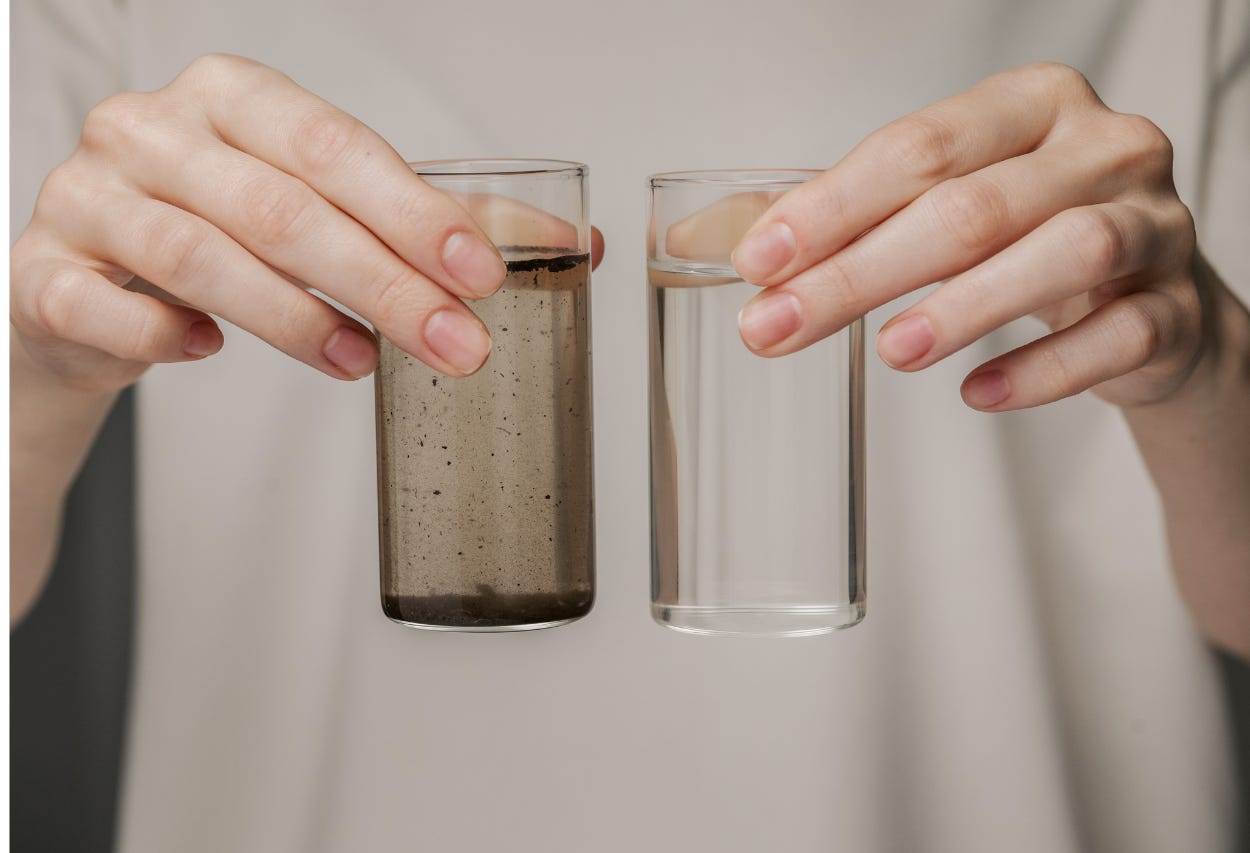
Reverse Osmosis (RO) is the gold standard when it comes to water filtration.
It removes toxins like fluoride and aluminum that most filters miss.
It also breaks water into smaller clusters, helps restore cellular hydration, and improves circulation by enhancing “zeta potential.”
Impressive!