
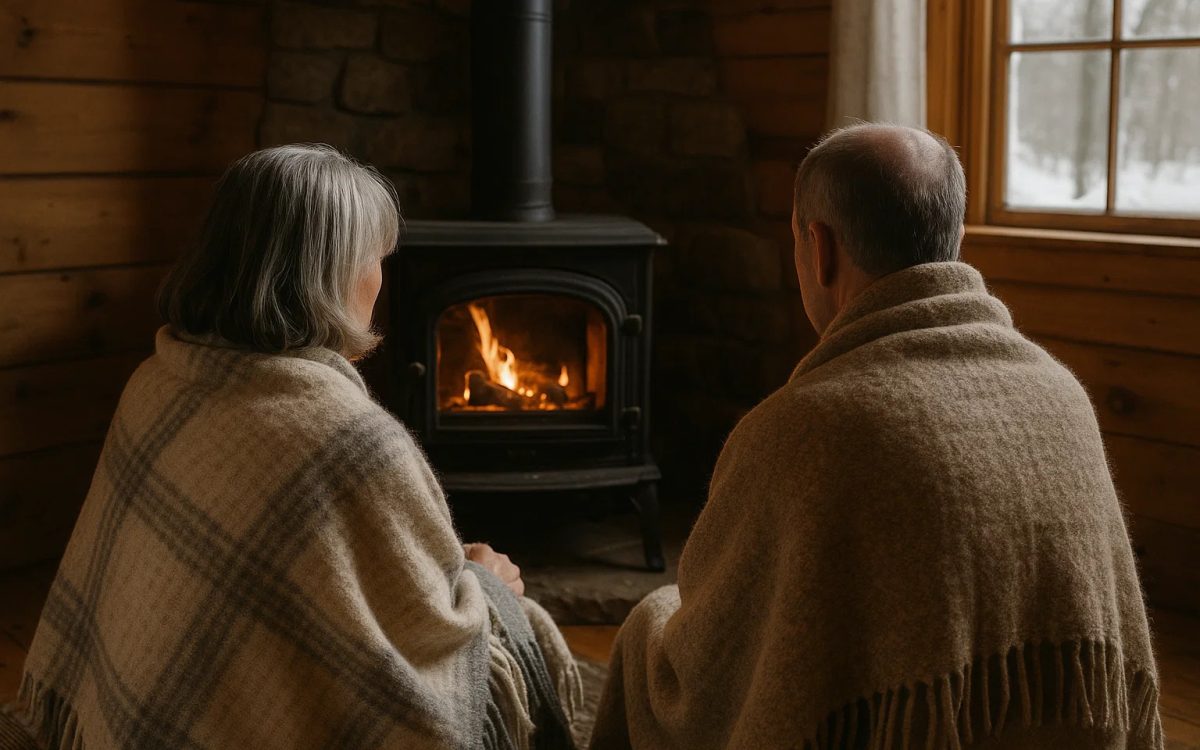
When the power snaps off and the furnace goes quiet, the house changes fast. The air thins, the temp slides, and that first hour tells you what you’ve got, and what you don’t. Roads glaze over. Store shelves go patchy. Neighbors post “anyone got kerosene?” while the forecast keeps stacking bad news. Here’s the good part: our grandparents already left us a playbook. We’re going to walk through the same simple moves they used, shrink the space you heat, trap warmth, use safe backup heat, protect the plumbing, keep hot food and drinks coming. How to stay warm without electricity in winter isn’t magic; it’s order and discipline.
The truth is, most modern homes get soft the minute the grid hiccups. Gas furnaces need blowers, card readers go dark, delivery trucks stall before your block. That’s more than a hassle, it can be a health risk. The fix isn’t fancy gear; it’s low-tech habits that buy you hours and comfort: one warm room instead of a cold house, wool and dry socks before burning extra fuel, an indoor-rated heater used exactly by the book, a slow drip on the far tap, and simple hot meals that warm you from the inside. We’re just relearning what works.
What Fails First When the Power Dies
The heat doesn’t just “leave”, it accelerates out through the usual weak spots. Glass bleeds warmth fast after dark, so windows go first. Then the air starts sneaking under exterior doors, around worn weather-strip, and through floor gaps over crawlspaces or cold basements. You’ll feel it at your ankles before you notice it at your face. Outlets on outside walls can draft, too. In a typical house, the stack effect pulls warm air up and out while colder air gets drawn in low, which is why rugs on bare floors, tight door sweeps, and heavy drapes pay off immediately. If you’re wondering how to heat a room without electricity, the honest answer starts here: stop the leaks before you chase heat.
https://pathtosurvival.com/what-our-grandparents-knew-about-winter-survival-that-we-forgot/