
Use of Vacuum Sealing, Oxygen Absorbers, and Desiccants for Preserving Dry Food
Here is our video that illustrates these ideas: https://youtu.be/QB6YTbrQ1UI
When we want to preserve dry foods, the methods we choose can often seem confusing, and that is because they are! In most cases there is not a single choice that is better than the others. Therefore, it is important that you know what each one does and then consider your individual situation and then make your choice based on those data.
When I say dry foods, here is what I mean:
· Grains (wheat, rye, barley, rice, corn, popcorn, etc.)
· Pulses or legumes (split peas, beans, lentils, chick peas, etc.)
· Sugar (white, brown, powdered)
· Flour (white—other flour like wheat does not have a very long shelf life)
· Dehydrated fruits and veggies
· Freeze dried foods of all kinds
Note: If you are wanting to preserve crackers or cookies or dry cereal, you are on your own with these. It is all about the moisture level, so be wise.
Major enemies of dry foods
· Heat
· Light
· Moisture
· Oxygen
· What are the remedies:
o Store foods in a cool, dry, dark place as much as possible
o Remove oxygen from the storage containers
Two other threats are:
· Bugs
· What are the remedies:
o Some trusted sources I follow recommend the following, although I do not do this myself: For small amounts, store in freezer for at least 3 days to kill bugs. Remove for two days to allow additional eggs (if any) to hatch and return to freezer for 3 more days. Then store in air-tight containers—jars, mylar bags, vacuum bags. Be sure there is NO moisture in the package. You could use a desiccant if you like.
o Remove air or oxygen by vacuum sealing or place an oxygen absorber. (I do this.)
o For large bulk amounts, store in food grade buckets—4 gal., 5 gal., 6 gal.—with air-tight lid. Before sealing lid, add oxygen absorber or use dry ice to displace the air–see our video on these methods:
https://youtu.be/Ct18THw4w-M
· Botulism—conditions needed for these bacteria to produce the deadly toxin:
o Low acid
o Little or no oxygen
o Temperatures ranging from 40°F-240°F
o Moisture
· What are the remedies?
o Remove some or all the above conditions— The major factor for low acid food is to make sure dehydrated or freeze dried food is very dry—less than 10% moisture. The botulism bacteria can’t make the toxin if there is no moisture.
Vacuum Sealing
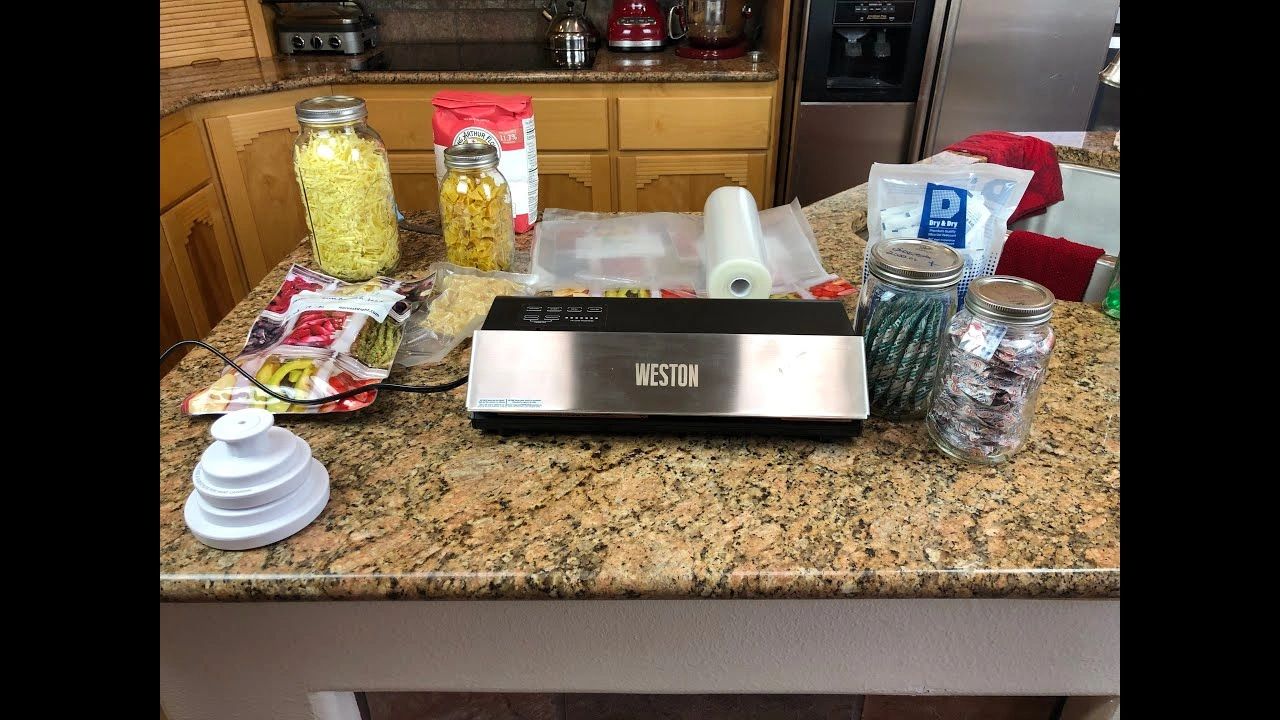
This requires either a hand held mechanism like a brake bleeder, or an electric vacuum sealer—there are many brands. When using Mason jars, you can purchase a set of attachments that fit over jar lids and will vacuum seal the jars. You can also use the plastic vacuum sealing bags that work well. My preference is Mason jars and we have shown that many times in various videos. Vacuum sealing removes most of the air in the jar making it difficult for oxidation to occur or bugs to survive.
Oxygen Absorbers
o Use only with low moisture and low fat foods.
o Never use oxygen absorbers for sugar or salt—removing oxygen will turn these foods into solid bricks.
Use oxygen absorbers if you don’t have a vacuum sealer. They will pull most of the oxygen out of an airtight container which then creates a vacuum.
DO NOT use oxygen absorbers with any kind of sugar—especially brown sugar. White sugar does not need any preservation method—it is fine as is. Brown sugar is moist and you do not want to create a low oxygen environment with moist food—botulism danger.
How many oxygen absorbers should I use? I prefer to use sizes that give me overkill than to use a size that won’t be large enough. Here is what I use: For 1-quart jars I use 100cc. For 1-gallon jars or mylar bags, I use 300cc oxygen absorbers. For 5-gallon bags I use 1000cc for tightly compressed foods where less air is present like grains; or 2000cc for loose foods like beans or pasta.
I have used the brand OxyFree oxygen absorbers with good results. Here is a link: https://www.amazon.com/OxyFree-100cc-Oxygen-Absorbers-absorbers/dp/B00D5NDIG2/ref=sr_1_1?crid=EDU2F7Z0W188&keywords=oxyfree&qid=1651418344&s=industrial&sprefix=oxyfree%2Cindustrial%2C126&sr=1-1
Desiccants
If you are going to use them, get food grade! They absorb moisture. If you live in a humid area or are concerned that your food may not be dry enough, then it is OK to use them. But, do not use them along with an oxygen absorber, which needs a bit of moisture to work.
Here is a link to the brand I have used with success: https://www.amazon.com/gp/product/B00DYLR3Q6/ref=ppx_yo_dt_b_search_asin_title?ie=UTF8&th=1