
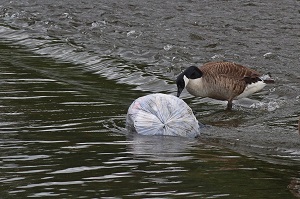
 Water Pollution topic monitored and covered by: Prepper Watch – Water
Introduction
Water is an essential resource for life, and its contamination can have dire consequences. For preppers, water pollution, particularly from sewage, presents a significant threat to health, safety, and sustainability. The contamination of freshwater sources with human and industrial waste not only compromises drinking water but can also disrupt agricultural irrigation, damage ecosystems, and lead to widespread illness. In this blog, we will explore how a prepper can prepare for water pollution threats, focusing on sewage contamination, and discuss proactive strategies to ensure a clean, reliable water supply in times of crisis.
What is Water Pollution from Sewage?
Water pollution from sewage occurs when human waste, chemicals, pharmaceuticals, and other pollutants from industries are discharged into natural water bodies. This can happen through untreated sewage, improper waste disposal, or industrial runoff. Common sources include:
- Sewage Treatment Plant Failures: When water treatment plants break down or are overwhelmed, untreated sewage can flow directly into rivers, lakes, or groundwater.
- Flooding: Stormwater can mix with untreated sewage during floods, contaminating nearby water sources.
- Industrial Discharge: Factories or waste sites releasing hazardous chemicals into water supplies can exacerbate sewage pollution.
- Urban Runoff: Heavy rainfall in urban areas often washes contaminants from streets into local water sources.
The impacts of sewage pollution are severe and wide-ranging. It can introduce harmful bacteria, viruses, and parasites into water, leading to diseases such as cholera, dysentery, and hepatitis. Contaminated water can also lead to long-term health problems, environmental degradation, and food scarcity.
Assessing the Water Pollution Threat
Understanding Local Water Sources and Vulnerabilities
The first step in preparing for water pollution threats is to understand the local water supply system. Whether sourcing water from a river, lake, well, or municipal system, identifying vulnerabilities is crucial.
- Identify Primary Water Sources: Map out the primary water sources that you rely on—this could be a well, nearby river, or municipal supply.
- Assess Pollution Risks: Look at nearby industrial facilities, sewage systems, or wastewater treatment plants that may pose a risk to your water sources. Urban areas are especially vulnerable due to overcrowded sewage systems, aging infrastructure, and high chemical usage.
- Understand Natural Disasters in Your Area: Floods, hurricanes, or heavy rainfall can overwhelm sewage systems and cause contamination. Be aware of natural disasters and their potential to affect water quality.
- Examine Historical Water Quality Data: Check historical records or government reports on water quality in your region to assess the likelihood of pollution during emergencies.
Risk Categories
- Direct Sewage Leaks: Sewage lines break, spilling waste into rivers or groundwater supplies.
- Industrial Spills: Factories or chemical plants can release hazardous substances into the water supply, further polluting already compromised systems.
- Overburdened Infrastructure: Water treatment facilities can fail during periods of high demand, like after a disaster or power outage, allowing untreated sewage into the environment.
Preparing Water Filtration and Purification Systems
Water Filtration Systems
For preppers, having a reliable water filtration system is essential when facing pollution threats. Even if your primary water source is contaminated, a good filtration system can provide you with drinkable water.
- Activated Carbon Filters: These are excellent for removing chemicals, chlorine, and heavy metals. They may not remove pathogens but are a good first line of defense.
- Reverse Osmosis Systems: Reverse osmosis filters are highly effective at removing a wide range of contaminants, including salts, heavy metals, and pathogens. These systems are ideal for purifying water contaminated with sewage or chemicals.
- UV Purifiers: Ultraviolet (UV) light can destroy bacteria, viruses, and parasites that may be present in contaminated water. UV purifiers are easy to use and do not require chemicals, making them a great addition to a prepper’s water purification kit.
- Gravity Water Filters: For emergency scenarios, gravity-based filters like the Berkey water filter can provide clean drinking water without electricity. These are portable and efficient for removing pathogens and contaminants.
- Boiling Water: Boiling water is one of the simplest and most effective ways to kill pathogens and purify water. Boiling for at least 1 minute (or longer at higher altitudes) can eliminate most harmful microorganisms.
- Water Purification Tablets: Water purification tablets or drops (e.g., iodine or chlorine-based) can be used as an emergency solution for purifying contaminated water. They are lightweight and easy to store but may not remove chemicals or heavy metals.
Water Storage Systems
Long-Term Water Storage
In the event of water pollution from sewage, it’s essential to have a backup supply of clean water. Storing sufficient water for both short- and long-term needs is crucial.
- Water Storage Containers: Use food-grade water barrels (55-gallon barrels or smaller) to store large quantities of water. These should be kept in a cool, dark place away from sunlight, which can promote algae growth.
- Water Bladders: Collapsible water bladders are a space-efficient way to store large amounts of water. These are ideal for emergency situations when you need to store water temporarily.
- Water Bottles: Keep an ample supply of bottled water for immediate use. Rotate stocks periodically to ensure freshness.
- Rainwater Harvesting: Install a rainwater harvesting system to capture rainwater, which can be filtered and used for non-potable purposes like irrigation or washing. A rainwater system can be vital during droughts or other water shortages.
Creating a Water Pollution Contingency Plan
Designing Your Water Contingency Plan
Planning ahead for water pollution can ensure that you have access to clean water when your local sources are compromised. Consider the following elements when crafting a comprehensive water pollution contingency plan:
- Identify Potential Water Contamination Events: Based on your location, determine the likelihood of various contamination events, such as sewage overflows, industrial spills, or natural disasters.
- Set up Emergency Water Sources: Identify secondary water sources such as nearby wells, springs, or emergency reservoirs. Keep in mind that these sources may also be affected by pollution, so ensure you have filtration systems in place.
- Create a Water Distribution System: In case of widespread contamination, distribute stored water wisely among your household or group, prioritizing essential needs like drinking, cooking, and sanitation.
- Monitor Local Water Quality: Stay informed about any water advisories or warnings in your area. Local governments and environmental agencies may issue alerts if contamination levels exceed safe limits.
Water Sanitation and Hygiene
Maintaining Water Quality with Proper Sanitation
Sewage contamination of water sources often goes hand in hand with hygiene issues, particularly when sanitation infrastructure fails. As a prepper, it’s vital to maintain hygiene standards to prevent further contamination and illness.
- Portable Toilets: During emergencies, portable toilets are essential when sewer systems fail or when camping away from normal facilities. These can be used for waste disposal while minimizing contamination risks.
- Composting Toilets: In off-grid scenarios, a composting toilet can provide a sustainable solution for human waste management without the need for a water supply.
- Handwashing Stations: Set up a handwashing station with soap and clean water to prevent the spread of waterborne diseases. This can be as simple as a water jug with a spout and a basin for washing hands.
- Waterless Sanitizers: Keep waterless hand sanitizers on hand to maintain hygiene when access to water is limited.
- Wastewater Disposal: Proper disposal of wastewater from cleaning and cooking should be considered to avoid contamination of nearby water sources.
Dealing with Sewage Overflow and Flooding
Flooding and Overflows: The Risk of Sewage System Failures
Flooding and heavy rainfall can overwhelm sewage treatment plants, causing sewage to spill into rivers, lakes, and groundwater. Preparing for this risk involves:
- Evacuation Plans: Have a clear evacuation plan in place if you live in a flood-prone area. Make sure your emergency water supplies and filtration systems are portable and easy to carry.
- Sealing Water Entry Points: Ensure that your home is sealed against flooding by closing drains, windows, and doors. Sandbags can help prevent water from entering your living space.
- Floodwater Precautions: Do not drink water from flooded areas, as it may contain harmful sewage. Use a water filtration system or purifying tablets before consumption.
Education and Community Preparation
Educating Yourself and Your Community
Water pollution threats are often a community-wide issue. Engaging with local prepper groups, survival communities, and your neighbors can improve preparedness for water contamination events.
- Community Water Supplies: Work with your community to set up shared water storage or filtration systems. This can help create a collective backup water supply in case of widespread contamination.
- Training: Offer water purification and sanitation training to others, including how to build DIY filtration systems, sterilize water, and implement hygiene practices during a disaster.
- Local Support Networks: Network with local disaster preparedness groups and authorities to stay informed about water contamination risks in your area. Having reliable communication channels is crucial during a crisis.
Alternative Water Sources and Solutions
Exploring Alternative Water Sources
In times of sewage contamination, exploring alternative water sources is essential to ensure survival. Here are some options:
- Desalination: For preppers near the coast, investing in a small-scale desalination unit can provide a supply of fresh water from seawater. While expensive, desalination systems can be a long-term solution for coastal areas facing water shortages.
- Spring Water: If you have access to a natural spring or well, it can provide a steady and relatively uncontaminated water source. However, ensure that the water is filtered and tested for contaminants.
- Well Water: In areas where municipal systems are at risk, having a well can be a lifesaver. Be sure to have a hand pump or manual filtration system to access water when needed.
Preparing for Long-Term Water Contamination Scenarios
Long-Term Water Purification Strategies
If water pollution persists over the long term, it’s important to think about sustainable purification methods. Some strategies include:
- Solar Still: A solar still uses the power of the sun to distill clean water from contaminated sources. Although slow, this method can work well for purifying small amounts of water.
- Water Distillers: Using a water distiller, you can separate contaminants from water through evaporation and condensation, producing purified water from even heavily contaminated sources.
Conclusion – A Comprehensive Approach to Water Pollution
Preparing for water pollution from sewage involves a multi-faceted approach, focusing on both short-term solutions like water filtration and storage, and long-term strategies such as community preparedness and alternative water sources. By taking proactive steps to secure clean water, maintain sanitation, and plan for emergency situations, preppers can reduce the risks associated with water contamination and ensure their health and survival during times of crisis. Stay informed, stay prepared, and always have a reliable source of clean water at hand.