
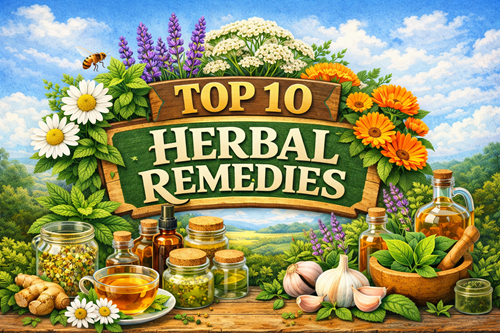
Top 10 Herbal Remedies
| Herb | Primary Uses | How It Helps | Common Forms | Notes |
|---|---|---|---|---|
| Chamomile | Sleep, digestion, inflammation | Calms nervous system, reduces gut irritation | Tea, tincture | Safe, great daily-use herb |
| Lavender | Stress, sleep, wounds | Antimicrobial + calming effects | Oil, tea, salve | Useful for anxiety + skin |
| Peppermint | Digestion, nausea, headaches | Relaxes gut muscles, cooling effect | Tea, oil | Strong—use diluted oil |
| Echinacea | Immune support | Stimulates immune response | Tincture, tea | Best at first sign of illness |
| Yarrow | Bleeding, wounds, fever | Helps clotting, reduces inflammation | Poultice, tea | Excellent field medicine |
| Calendula | Skin healing, infection | Antibacterial + tissue repair | Salve, oil | Top-tier wound herb |
| Garlic | Infection, heart health | Natural antibiotic + immune booster | Raw, tincture | Strong but highly effective |
| Ginger | Nausea, inflammation | Improves circulation, settles stomach | Tea, raw | Great for cold + motion sickness |
| Plantain (leaf) | Bites, wounds, skin issues | Draws out toxins, speeds healing | Poultice, salve | Common and very underrated |
| Holy Basil (Tulsi) | Stress, immune, energy | Adaptogen—balances stress response | Tea, tincture | Long-term resilience herb |
A Working Field Reference
Natural herbal medicine is not just about knowing what a plant does—it’s about understanding how it grows, how it behaves, and how to turn it into something usable when it matters. The following sections expand on some of the most reliable and widely available herbs you can incorporate into your preparedness system.
Each herb below is presented as a working field reference, combining identification, cultivation, application, and processing into a format that is both readable and actionable. The goal is not just knowledge—it is repeatable capability under real conditions.
Chamomile
Description
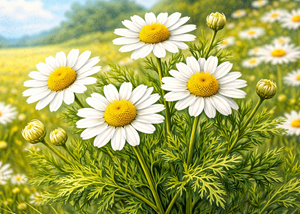 Chamomile is a small flowering plant with delicate white petals surrounding a bright yellow center. It closely resembles a daisy but is distinguished by its strong, apple-like scent when crushed. This aroma is often used as a quick field identification method. Chamomile has been used for centuries as a foundational herb due to its gentle yet effective properties, making it suitable for both daily use and long-term health support.
It grows low to the ground and spreads easily, often forming dense patches in open areas. Its resilience and ease of growth make it one of the most accessible medicinal plants, whether found in the wild or cultivated intentionally.
Where to Find It
Chamomile is commonly found in open meadows, roadsides, and disturbed soils where sunlight is abundant. It thrives in temperate climates and is often seen growing wild in fields. It is also widely cultivated in home gardens due to its usefulness and low maintenance requirements.
How to Grow
Chamomile is easy to grow from seed and requires very little intervention once established. It prefers well-drained soil and full sunlight but can tolerate less-than-ideal conditions. Regular harvesting of the flowers encourages continued blooming, allowing for multiple harvests in a single season.
Primary Uses
Chamomile is most commonly used as a calming herb to support sleep, reduce stress, and ease digestive discomfort. It is especially effective for tension-related issues and mild inflammation.
Secondary Uses
In addition to internal use, chamomile can be applied topically to soothe skin irritation and minor inflammation. It is also useful for general relaxation and stress reduction when used consistently.
How It Helps
Chamomile works by calming the nervous system and relaxing smooth muscle tissue, particularly in the digestive tract. This dual action makes it effective for both mental and physical tension, helping the body return to a balanced state.
Processing Methods
The flowers are harvested at full bloom and dried in a cool, dark, well-ventilated area. Once dried, they are most commonly used to make tea. They can also be infused into oils for topical applications or incorporated into blends for long-term storage.
Notes
Chamomile is one of the safest and most reliable herbs available. Its ease of use and wide range of applications make it a core component of any herbal system.
Lavender
Description
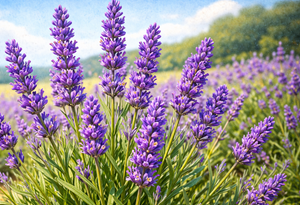 Lavender is a woody perennial herb characterized by its narrow leaves and tall spikes of purple flowers. It is widely recognized for its strong fragrance, but its medicinal properties extend well beyond aroma. The plant produces essential oils that contain compounds known to calm the nervous system while also offering antimicrobial benefits.
Lavender has been used historically in both medicinal and hygienic contexts, often valued for its ability to promote relaxation and support skin health. Its adaptability and multi-purpose nature make it a valuable addition to any herbal setup.
Where to Find It
Lavender is typically cultivated in gardens and farms, particularly in regions with dry, sunny climates. It is less commonly found growing wild but is widely available through intentional planting.
How to Grow
Lavender requires well-drained soil and full sunlight to thrive. It does not tolerate excessive moisture, so proper drainage is essential. Once established, it is relatively low maintenance and can produce for several years with minimal care.
Primary Uses
Lavender is primarily used for stress reduction, improving sleep, and supporting emotional balance. Its calming effects make it particularly useful in high-stress or anxiety-related situations.
Secondary Uses
It also serves as a mild antiseptic and can be used topically for minor wounds, burns, and skin irritation. Additionally, it may help with headaches when used in aromatherapy.
How It Helps
Lavender works by interacting with the nervous system to reduce stress and promote relaxation. At the same time, its antimicrobial properties help protect the skin and support healing.
Processing Methods
The flowers are harvested just before full bloom and dried for storage. They can be used in teas, infused into oils, or processed into essential oils. Oil infusions are especially useful for creating salves and balms.
Notes
Lavender is highly versatile, offering both internal and external benefits. It is particularly useful in situations where stress and physical health overlap.
Peppermint
Description
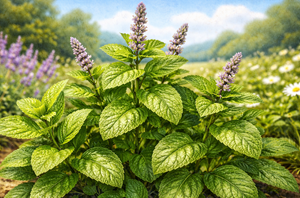 Peppermint is a fast-growing herb with bright green leaves and a strong, cooling scent. Its high menthol content gives it its distinctive properties, making it one of the most effective herbs for immediate relief of certain conditions. It is both aromatic and functional, offering rapid support for digestive and respiratory issues.
The plant spreads aggressively, which can be both an advantage and a challenge. Its ability to grow quickly ensures a steady supply, but it must be managed to prevent it from overtaking other plants.
Where to Find It
Peppermint is commonly found in gardens and can sometimes grow wild in moist environments such as near streams or shaded areas.
How to Grow
It is extremely easy to grow and thrives in moist, nutrient-rich soil. It prefers partial sunlight and should ideally be grown in containers to control its spread.
Primary Uses
Peppermint is widely used for digestive issues, including nausea, bloating, and stomach discomfort. It is also effective for relieving headaches.
Secondary Uses
It can support respiratory function when inhaled and may help soothe sore muscles when applied topically.
How It Helps
Peppermint works by relaxing smooth muscle tissue and creating a cooling sensation that reduces discomfort. This makes it especially useful for quick symptom relief.
Processing Methods
The leaves can be used fresh or dried for tea, infused into oils, or used in steam inhalation. Due to its potency, even small amounts are effective.
Notes
Peppermint is one of the fastest-acting herbs available and is especially useful in situations requiring immediate relief.
Yarrow
Description
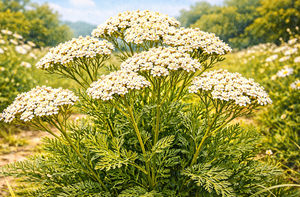 Yarrow is a hardy, wild-growing plant with feathery leaves and clusters of small white or pink flowers. It has a long history as a medicinal herb, particularly in treating wounds and controlling bleeding. Its resilience allows it to thrive in poor soil and challenging conditions.
This plant has been used in field medicine for centuries, valued for its ability to support clotting and reduce inflammation. Its presence in many environments makes it a reliable resource.
Where to Find It
Yarrow is commonly found in fields, roadsides, and open wild areas. It grows in a wide range of climates and is often abundant once identified.
How to Grow
It requires minimal care and can grow in poor soil conditions. Once established, it spreads easily and returns year after year.
Primary Uses
Yarrow is primarily used to control bleeding and treat wounds. It is especially valuable in emergency situations.
Secondary Uses
It can also be used to reduce fever and inflammation.
How It Helps
Yarrow promotes blood clotting and reduces inflammation, making it highly effective for trauma care and injury management.
Processing Methods
Fresh leaves can be crushed and applied directly to wounds, while dried material can be used in teas or tinctures.
Notes
Yarrow is one of the most important field medicine herbs and should be a priority in any preparedness plan.
Calendula
Description
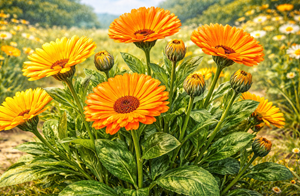 Calendula is a bright, sun-loving plant with vivid orange or yellow flowers that stand out in any garden. Often mistaken for ornamental flowers, calendula is actually one of the most powerful skin-healing herbs available. Its petals contain compounds that actively support tissue repair, reduce inflammation, and protect against infection.
The plant produces sticky, resin-like substances that contribute to its healing properties, particularly when used externally. It has been widely used in traditional medicine for treating wounds, burns, and skin irritation, making it one of the most dependable herbs for topical applications.
Where to Find It
Calendula is primarily cultivated rather than found in the wild. It is commonly grown in home gardens and is widely available through seed suppliers. Because of its usefulness, it is often included in herbal or medicinal garden setups.
How to Grow
Calendula is extremely easy to grow and thrives in a variety of soil conditions. It prefers full sun but can tolerate partial shade. The plant grows quickly from seed and benefits from regular harvesting, which encourages continuous flowering throughout the growing season.
Primary Uses
Calendula is best known for its ability to promote skin healing and prevent infection. It is widely used for cuts, scrapes, burns, and other minor injuries where tissue repair is needed.
Secondary Uses
It can also be used as a mild anti-inflammatory agent and may support internal healing when used carefully in teas, though it is most effective externally.
How It Helps
Calendula works by stimulating tissue regeneration and reducing inflammation at the site of injury. Its antibacterial properties help protect wounds from infection, allowing the body to heal more effectively.
Processing Methods
The flowers are harvested and dried, then infused into oils to extract their beneficial compounds. These oils are commonly used to create salves, balms, and creams for topical use.
Notes
Calendula is one of the most reliable herbs for external applications. It should be considered a core component of any herbal first aid system.
Garlic
Description
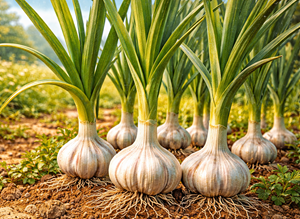 Garlic is a well-known culinary ingredient, but its medicinal value is equally significant. It is a bulb-forming plant composed of individual cloves, each containing potent compounds that activate when crushed or chopped. These compounds are responsible for its strong odor and powerful antimicrobial effects.
Historically, garlic has been used as a natural antibiotic, helping to fight infections and support overall health. Its strength lies in its simplicity—it is widely available, easy to store, and highly effective when used properly.
Where to Find It
Garlic is cultivated globally and is readily available in stores, gardens, and farms. It is one of the easiest medicinal plants to source and maintain.
How to Grow
Garlic is grown by planting individual cloves in the soil, typically in the fall or early spring. It requires minimal care and produces bulbs that can be harvested and stored for long periods.
Primary Uses
Garlic is primarily used to combat infection and support the immune system. It is especially valuable during illness or when exposure to pathogens is high.
Secondary Uses
It also supports cardiovascular health and may help regulate blood pressure and circulation.
How It Helps
Garlic works by releasing compounds that have antibacterial, antiviral, and antifungal properties. These compounds help the body fight off infections and strengthen immune response.
Processing Methods
Garlic is most effective when consumed raw or freshly crushed. It can also be infused into oils or made into tinctures, though care must be taken to avoid contamination in oil preparations.
Notes
Garlic is powerful and effective but should be used with awareness of its strength. It is a key herb for infection control in preparedness scenarios.
Ginger
Description
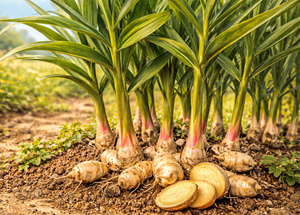 Ginger is a root-based plant known for its warming and stimulating properties. It has been used for centuries in traditional medicine to support digestion, reduce nausea, and improve circulation. Its distinctive flavor and aroma are indicators of its active compounds.
The root grows underground and stores its medicinal properties in a dense, fibrous structure. This makes it easy to transport, store, and process, especially in long-term scenarios.
Where to Find It
Ginger is commonly found in grocery stores and can also be grown in warm climates. It is widely available and easy to incorporate into both food and medicine.
How to Grow
Ginger is grown from pieces of its root, which are planted in warm, moist soil. It requires a longer growing period and thrives in humid environments, making it ideal for indoor or greenhouse cultivation in cooler climates.
Primary Uses
Ginger is most commonly used to treat nausea and digestive issues. It is also effective in reducing inflammation and supporting circulation.
Secondary Uses
It can be used to support the body during colds and flu, helping to warm the system and promote recovery.
How It Helps
Ginger works by stimulating digestion and improving blood flow. Its anti-inflammatory properties also help reduce discomfort associated with illness or injury.
Processing Methods
It can be used fresh, dried, or powdered. Tea is one of the most common preparations, but it can also be incorporated into food or taken in concentrated forms.
Notes
Ginger is highly effective and versatile, making it a valuable addition to both everyday use and emergency preparedness.
Plantain (Leaf)
Description
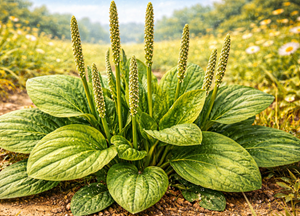 Plantain is one of the most common and overlooked medicinal plants, often dismissed as a weed. It has broad, ribbed leaves and grows low to the ground, making it easy to identify once recognized. Despite its simplicity, it is one of the most effective herbs for treating skin-related issues.
The leaves contain compounds that draw out toxins and promote healing, making them especially useful for bites, stings, and wounds. Its widespread availability makes it one of the most accessible survival herbs.
Where to Find It
Plantain grows almost everywhere, including lawns, trails, and disturbed soils. It thrives in areas where other plants struggle, making it easy to find in both urban and rural environments.
How to Grow
It typically does not need to be cultivated, as it grows naturally in most regions. However, it can be encouraged by allowing it to grow undisturbed in suitable areas.
Primary Uses
Plantain is primarily used for treating bites, stings, and minor wounds. It is especially effective at drawing out toxins and reducing irritation.
Secondary Uses
It can also be used for general skin care and inflammation reduction.
How It Helps
Plantain works by pulling toxins from the skin while supporting the body’s natural healing processes. It reduces inflammation and helps prevent infection.
Processing Methods
The leaves are most effective when used fresh and crushed into a poultice. They can also be dried and incorporated into salves for longer-term use.
Notes
Plantain is one of the most underrated herbs in natural medicine. Its accessibility and effectiveness make it essential for field use.
Holy Basil (Tulsi)
Description
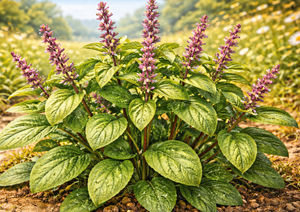 Holy basil, also known as tulsi, is an aromatic plant with a long history of use in traditional medicine systems. It is classified as an adaptogen, meaning it helps the body manage stress and maintain balance over time.
Unlike fast-acting herbs, holy basil works gradually, supporting long-term resilience and overall health. Its effects are subtle but powerful when used consistently.
Where to Find It
Holy basil is typically cultivated and is not commonly found growing wild in most regions. It is widely available through seeds and nurseries.
How to Grow
It requires warm temperatures and full sunlight to thrive. It grows well in gardens or containers and benefits from regular harvesting to promote new growth.
Primary Uses
Holy basil is primarily used to reduce stress and support immune function. It helps the body adapt to physical and emotional challenges.
Secondary Uses
It may also support energy balance and mental clarity over time.
How It Helps
Holy basil works by regulating the body’s stress response, helping maintain stability under pressure. It supports both mental and physical resilience.
Processing Methods
The leaves are typically dried and used in teas or tinctures. Regular use is key to experiencing its full benefits.
Notes
Holy basil is best used as part of a long-term health strategy rather than for immediate symptom relief.