🌱 The Early Bird’s Garden
4 Things You Must Do This February
January 29, 2026 – Source: Survival Garden Seeds
February is that quiet turning point of the year. Seed catalogs refresh, daylight stretches a little longer, and while the ground may still be frozen, spring is closer than it feels. For preppers and self-reliant gardeners, this is the month where preparation quietly sets the tone for the entire growing season.
Channel that pent-up gardening energy now, and you’ll save yourself stress — and shortages — later.
🌿 The Indoor Head Start: Seed Sowing & Planning
February is prime time for indoor seed work and planning.
This is when you should:
Cold-stratify seeds that need winter conditions to germinate, such as lavender, poppies, and milkweed
Start slow-growing vegetables and flowers indoors, including peppers (especially habaneros), eggplant, and snapdragons
If you’re in warmer zones (8–10), you may already be able to work outdoors.
Take time to:
Tighten trellises
Check irrigation lines for leaks
Clear debris from beds
You can also direct sow early spring crops like sweet peas, kale, lettuce, and short-day onions if conditions allow.
✂️ The “Big Prune” & Tool Tune-Up
With leaves gone, February offers a clear view of plant structure — making it an ideal time to prune dormant fruit trees and roses.
It’s also the perfect moment to prepare your tools:
Remove rust
Clean thoroughly
Sharpen blades
Oil moving parts
Cleaning tools after use isn’t just good practice — it helps prevent the spread of pests and disease that can quietly sabotage a season.
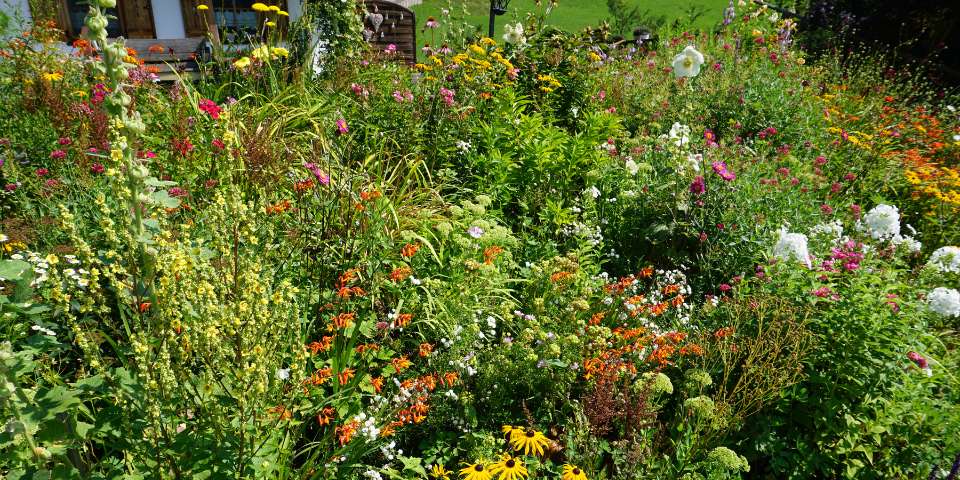
🐝 Lose the Lawn & Go Native
More than 22% of North American native pollinators are at risk of extinction, largely due to habitat loss, pesticide use, and climate pressures. Without pollinators, food production suffers — plain and simple.
This year, consider:
Adding native plants to your garden plan
Replacing sections of lawn with ground covers like creeping thyme or alyssum
These options:
Support pollinators
Reduce mowing and maintenance
Smell great and look beautiful
Increase long-term garden resilience
Preparedness starts with ecosystems, not just seed packets.
🧺 The Smart Shopping List
February is ideal for intentional purchasing — not impulse buying.
Before ordering seeds or plants:
Know your hardiness zone
Measure your available garden space
Understand sunlight and shade patterns
Check mature plant size and spacing needs
This is also the best time to purchase:
Bare-root fruit trees
Dahlia tubers
Seed potatoes
Thoughtful planning now prevents overcrowding, waste, and disappointment later.
🌾 Preparedness Is Built Before the Harvest
Gardening isn’t just about what you grow — it’s about when and how you prepare.
Whether you’re sharpening pruners, organizing seed trays, or mapping out native plant zones, the work you do in February becomes the foundation for everything that blooms in May.
So embrace the pre-season hustle. Work quietly. Plan deliberately.
Your future, food-secure self will thank you.