
Table of Contents
- Introduction
- Ten Levels of Prepping
- Level 1 – Bushcraft Basics
- Level 2 – Advanced Bushcraft
- Level 3 – Homesteading
- Level 4 – Community Based
- Level 5 – Tactical & Self Defense
- Level 6 – Emergency Medical & Disaster Planning
- Level 7 – Logistics & Supply Chain
- Level 8 – Cybersecurity & Communication
- Level 9 – Renewable Energy & Automation
- Level 10 – AI & Technology
Introduction
Prepping has evolved from a niche movement into a diverse and highly strategic lifestyle. No longer limited to fringe survivalists living off the grid, modern preppers include urban dwellers stockpiling resources, homesteaders growing their own food, and even tech-savvy professionals using AI to monitor global risks.
Prepping Communities and Prepper Watch were developed to meet this new demand.
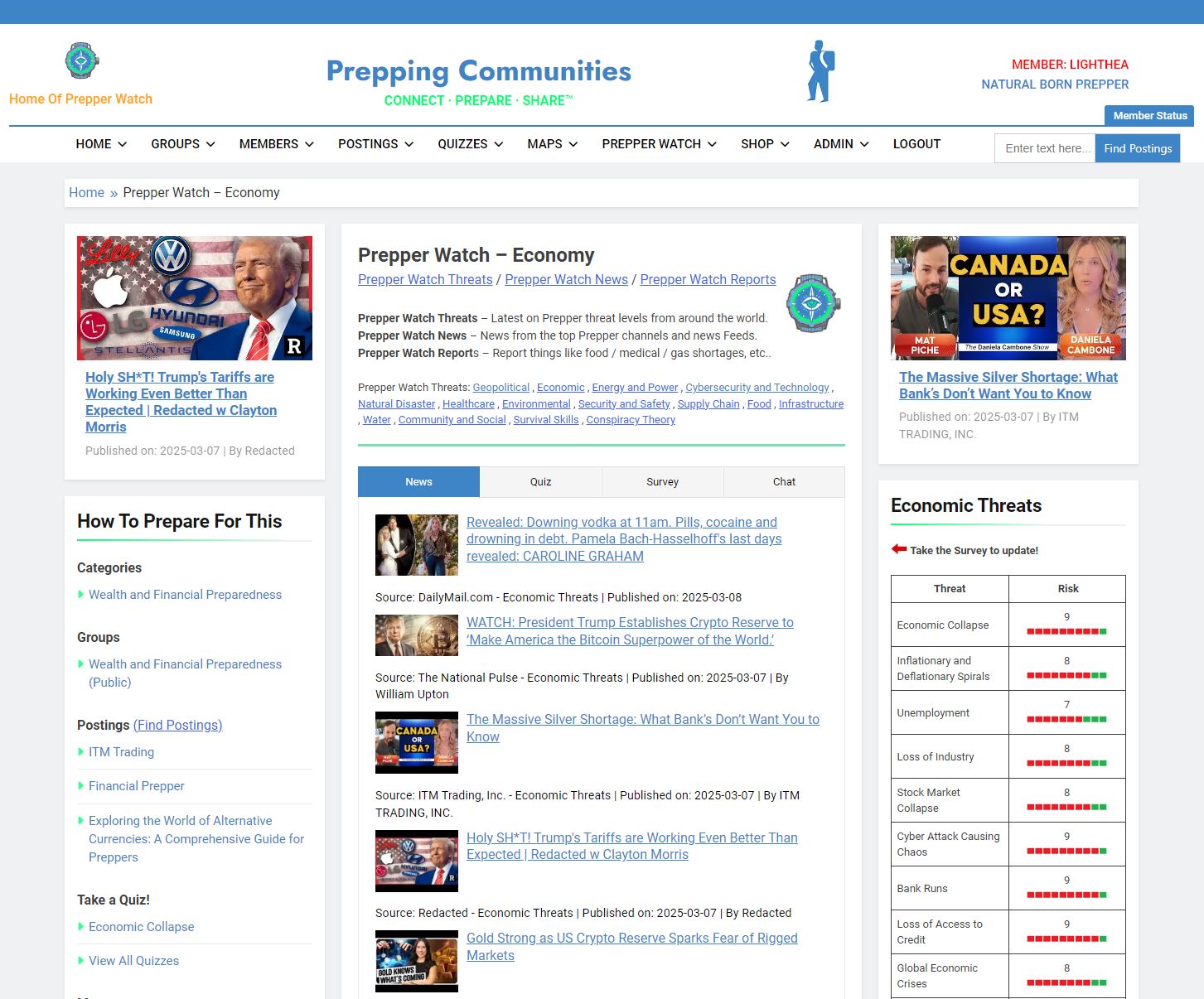
The rise of prepping is a response to increasing global instability. In recent years, preppers have seen firsthand how fragile modern society is:
- The COVID-19 pandemic disrupted global supply chains and exposed weaknesses in healthcare systems.
- Political instability and social unrest have increased crime and eroded trust in governments.
- Cyberattacks and surveillance have shown the vulnerability of modern communication networks.
- Inflation and energy shortages have revealed the weaknesses of just-in-time supply chains.
Preppers are united by a single core belief: The system will fail at some point. The goal of prepping is to minimize dependence on society and develop the skills and resources needed to survive and thrive when the system collapses.
Ten Levels of Prepping
This guide will outline 10 levels of prepping, each representing a different level of complexity, reliance on technology, and societal dependence. Prepping is not linear—many preppers operate at multiple levels depending on their personal situation and location.
Level Description Est. People Growth 1. Bushcraft Basics Fundamental survival skills like fire-starting, shelter-building, and foraging. 1–2 million Slow growth due to difficulty of skill acquisition 2. Advanced Bushcraft Mastery of bushcraft techniques, including hunting, trapping, and toolmaking. 500,000–1 million Slow growth due to the complexity and commitment required 3. Homesteading Fundamentals Growing food, raising livestock, and preserving resources. 3–4 million Moderate growth as more people seek sustainable living 4. Community-Based Preparedness Establishing local mutual aid groups and defense plans. 2–3 million Moderate growth as social instability increases 5. Tactical and Self-Defense Skills Firearm training, hand-to-hand combat, and home security measures. 4–5 million Steady growth due to rising crime and civil unrest 6. Emergency Medical and Disaster Planning Basic trauma care, medical training, and evacuation planning. 2–3 million Steady growth due to increased awareness of health crises 7. Logistics and Supply Chain Awareness Stockpiling, resource management, and understanding supply chain vulnerabilities. 6–8 million Significant growth as supply chain instability increases 8. Cybersecurity and Communication Building secure networks, encrypted communication, and off-grid internet options. 500,000–1 million Moderate growth as cyber threats increase 9. Renewable Energy and Automation Off-grid energy solutions, automated systems, and sustainable living. 1–2 million Steady growth as energy costs rise and renewable options expand 10. AI and Technological Integration Use of AI for resource allocation, threat detection, and decision-making. 100,000–250,000 Slow growth due to cost and complexity
Table on different levels of prepping
We’ll explore each level in detail, including:
- Description – What this level entails
- Focus Area – Key skills and knowledge at this level
- Dependence on Society – How much this level relies on external infrastructure
- Off-Grid Capability – How well preppers at this level can survive without external support
- Types of Preppers – Which types of preppers are drawn to this level and why
- Estimated Population – How many people are currently operating at this level
- Future Projections – Whether this level is likely to grow or shrink
Estimated Total Number of Preppers in North America:
- 20–30 million across all levels (approximately 6%–9% of the population).
- Highest concentration: Levels 5–7 (focused on security, logistics, and supply chain preparedness).
- Fastest-growing groups: Levels 7 (Supply Chain) and 3 (Homesteading) due to rising economic instability and supply chain issues.
- Slowest-growing groups: Levels 2 and 10 due to the skill and technological barriers involved.
Trends and Growth Potential:
- Economic instability and supply chain disruptions are driving more people toward preparedness at Levels 3, 4, and 7.
- Increasing social unrest and crime rates are fueling growth at Level 5 (Tactical and Self-Defense).
- Technological threats like cyberattacks are raising awareness and interest in Level 8 (Cybersecurity).
- Growth at Level 10 (AI and Automation) will be limited by high costs and reliance on infrastructure, but advancements in renewable energy and automation may accelerate long-term adoption.
- Homesteading and self-sufficiency are becoming more attractive as inflation, food costs, and energy prices continue to rise.
Level 1 – Bushcraft Basics
Focus Area: Bushcraft, Primitive Skills
Dependence on Society: Very Low
Level of Being Off-Grid: Very High
Applicable Prepper Types: Survivalist, Lone-Wolf Preppers, Bug-Out Preppers
Description:
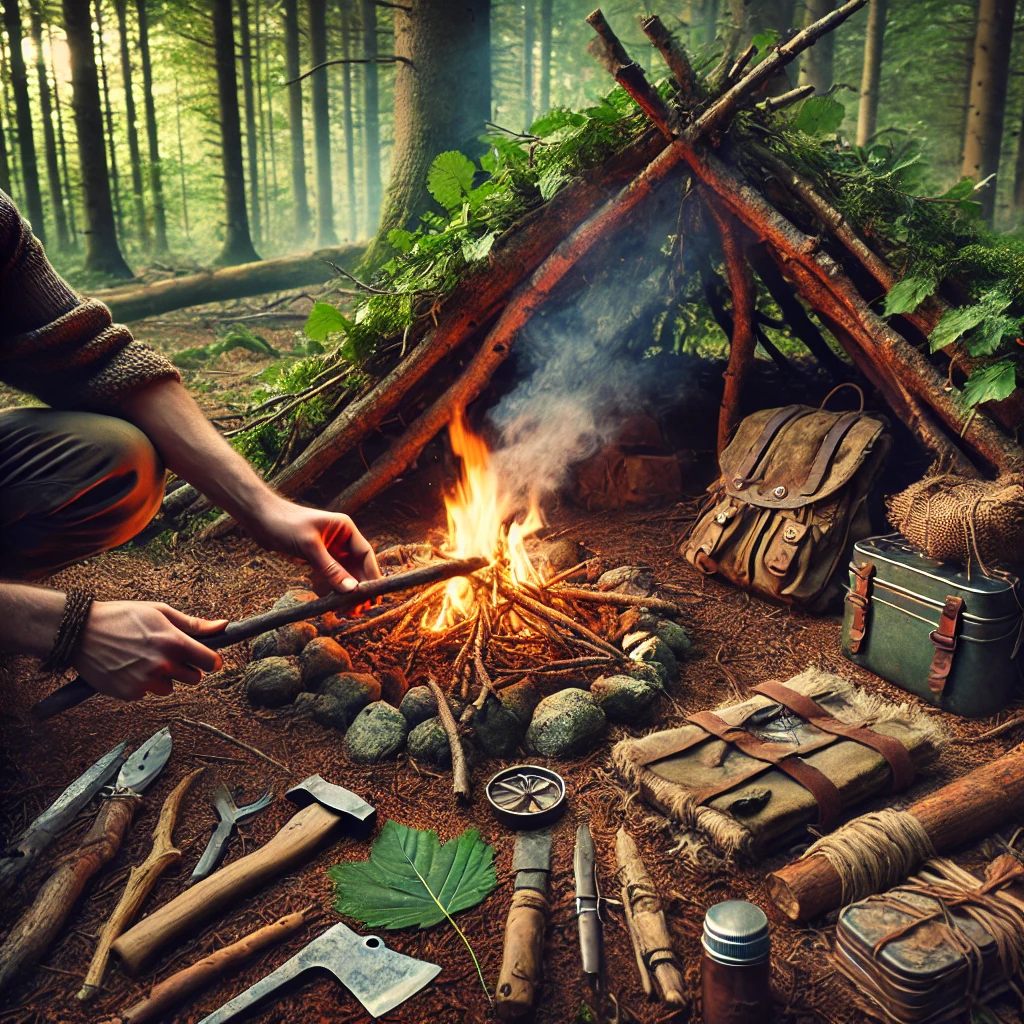 Level 1 represents the foundation of prepping: survival using only primitive skills and natural resources. At this level, preppers focus on the most basic human needs: shelter, water, food, and fire.
Bushcraft is a form of survivalism that emphasizes working with nature instead of relying on modern tools and infrastructure. Preppers at this level often train in wilderness settings and practice minimalist camping and survival techniques.
Core Skills:
✅ Fire-Starting – Using flint and steel, bow drills, or other friction-based methods
✅ Shelter-Building – Constructing lean-tos, debris huts, and A-frame shelters
✅ Water Purification – Boiling, filtering with sand and charcoal, and solar distillation
✅ Navigation – Using the sun, stars, and natural landmarks for orientation
✅ Foraging – Identifying edible plants and fungi
Why It Matters:
If modern infrastructure collapses, the ability to survive without technology becomes essential. Bushcraft preppers can survive indefinitely in the wilderness with little more than a knife and basic tools.
Why Preppers Are Attracted to This Level:
- Survivalists view bushcraft as the ultimate form of independence.
- Lone-Wolf Preppers value self-reliance and the ability to survive without help.
- Bug-Out Preppers consider bushcraft essential if forced to evacuate.
Estimated Population and Future Projections:
- Estimated Population: 1–2 million
- Projected Growth: Slow growth due to the difficulty of acquiring these skills
Level 2 – Advanced Bushcraft
Focus Area: Wilderness Survival, Hunting
Dependence on Society: Very Low
Level of Being Off-Grid: Very High
Applicable Prepper Types: Survivalist, Lone-Wolf Preppers, Bug-Out Preppers
Description:
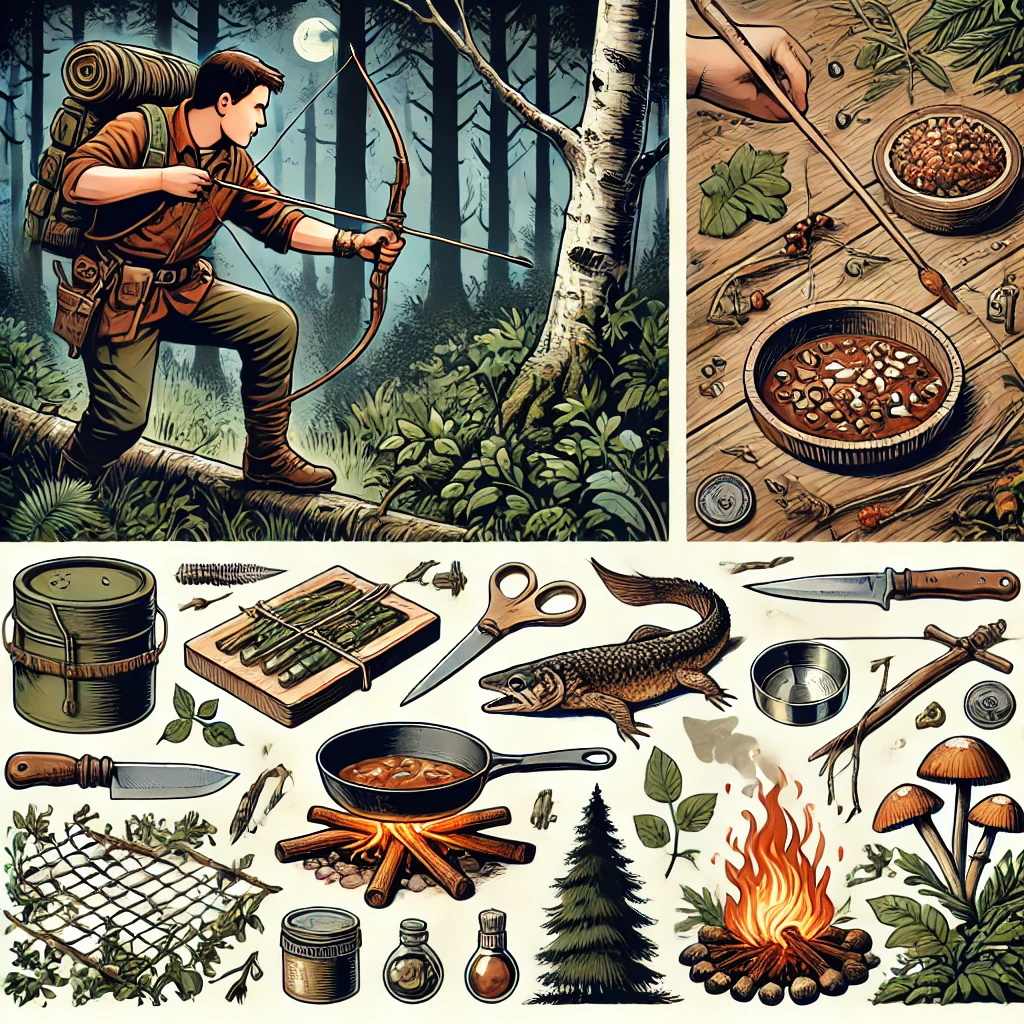 Advanced bushcraft expands on Level 1 by adding long-term survival strategies. This includes developing the ability to live indefinitely off the land, hunting and preserving food, and creating more advanced shelters.
Preppers at this level often train in remote wilderness areas and learn to operate independently for months or even years. They typically carry lightweight gear that can be repaired or replaced with natural materials.
Core Skills:
✅ Advanced Hunting and Trapping – Using bows, snares, and deadfall traps
✅ Fishing – Crafting fishing lines, hooks, and nets from natural materials
✅ Firearms Maintenance – Maintaining weapons and ammunition
✅ Leatherworking and Hide Tanning – Creating clothing and gear from animal hides
✅ Cold Weather Survival – Insulating clothing, shelter, and sleeping systems
Why It Matters:
Advanced bushcraft enables preppers to survive long-term with limited or no contact with society. Preppers at this level are essentially living off the grid full-time.
Why Preppers Are Attracted to This Level:
- Survivalists seek the ultimate form of independence.
- Lone-Wolf Preppers value operating alone in extreme conditions.
- Bug-Out Preppers prepare for long-term off-grid scenarios.
Estimated Population and Future Projections:
- Estimated Population: 500,000–1 million
- Projected Growth: Slow growth due to the extreme skill barrier
Level 3 – Homesteading Fundamentals
Focus Area: Homesteading, Livestock Care
Dependence on Society: Low
Level of Being Off-Grid: High
Applicable Prepper Types: Homesteaders, Rural Preppers, Economic Preppers
Description:
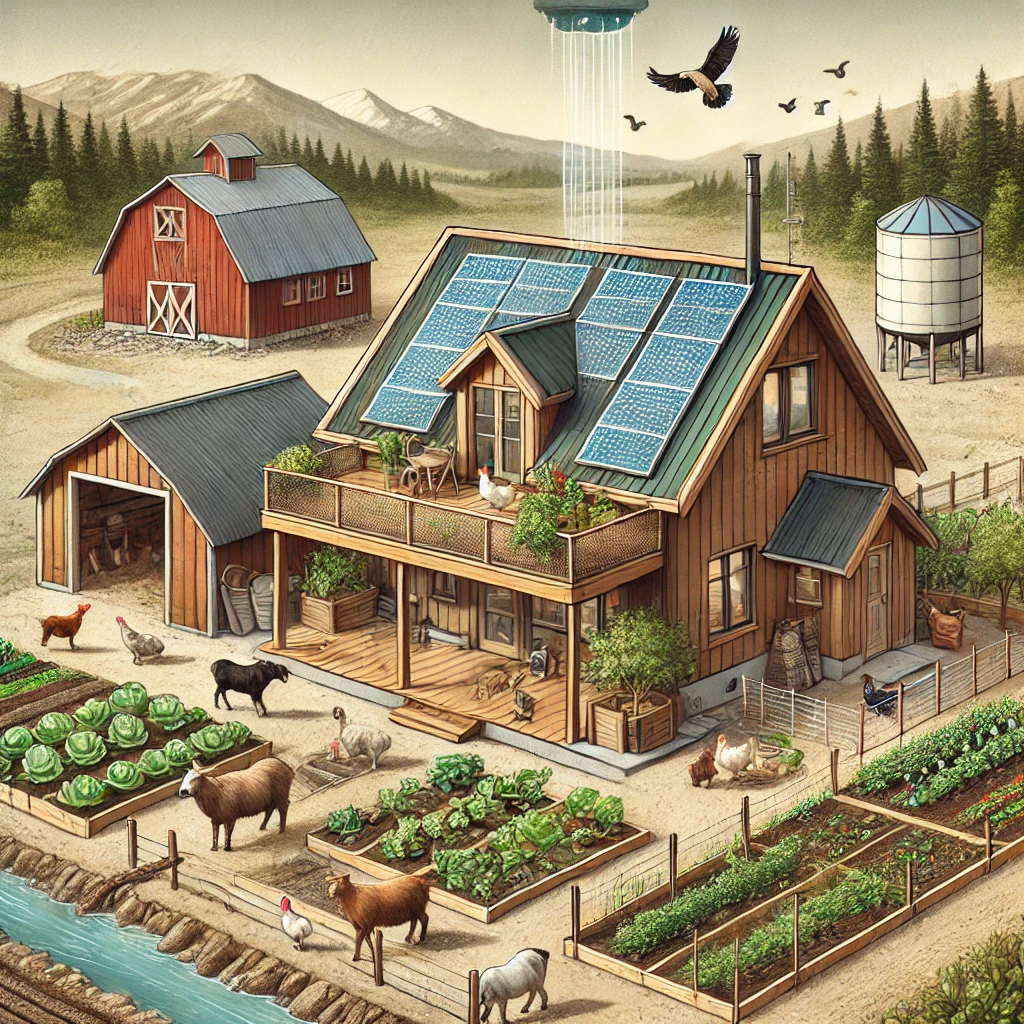 Homesteading is the process of creating a self-sufficient, sustainable household capable of producing food, water, and energy. At this level, preppers transition from short-term survival to long-term self-sufficiency.
Homesteaders are typically rural or suburban, with enough land to grow food and raise animals. The goal is to reduce or eliminate reliance on outside supply chains.
Core Skills:
✅ Gardening and Permaculture – Growing fruits, vegetables, and herbs
✅ Livestock Management – Raising chickens, goats, pigs, and cattle
✅ Food Preservation – Canning, dehydrating, and fermenting
✅ Energy Generation – Installing solar panels, wind turbines, and battery systems
✅ Water Collection – Setting up rainwater collection and well systems
Why It Matters:
Homesteading provides long-term resilience by removing dependence on supply chains and modern infrastructure. Homesteaders are protected against inflation, food shortages, and energy crises.
Why Preppers Are Attracted to This Level:
- Homesteaders value sustainable, independent living.
- Rural Preppers seek to disconnect from urban infrastructure.
- Economic Preppers see homesteading as protection from inflation and food shortages.
Estimated Population and Future Projections:
- Estimated Population: 3–4 million
- Projected Growth: Steady growth due to rising food and energy costs
Level 4 – Community-Based Preparedness
Focus Area: Mutual Assistance, Community Security
Dependence on Society: Moderate
Level of Being Off-Grid: Moderate
Applicable Prepper Types: Community Preppers, Rural Preppers, Homesteaders
Description:
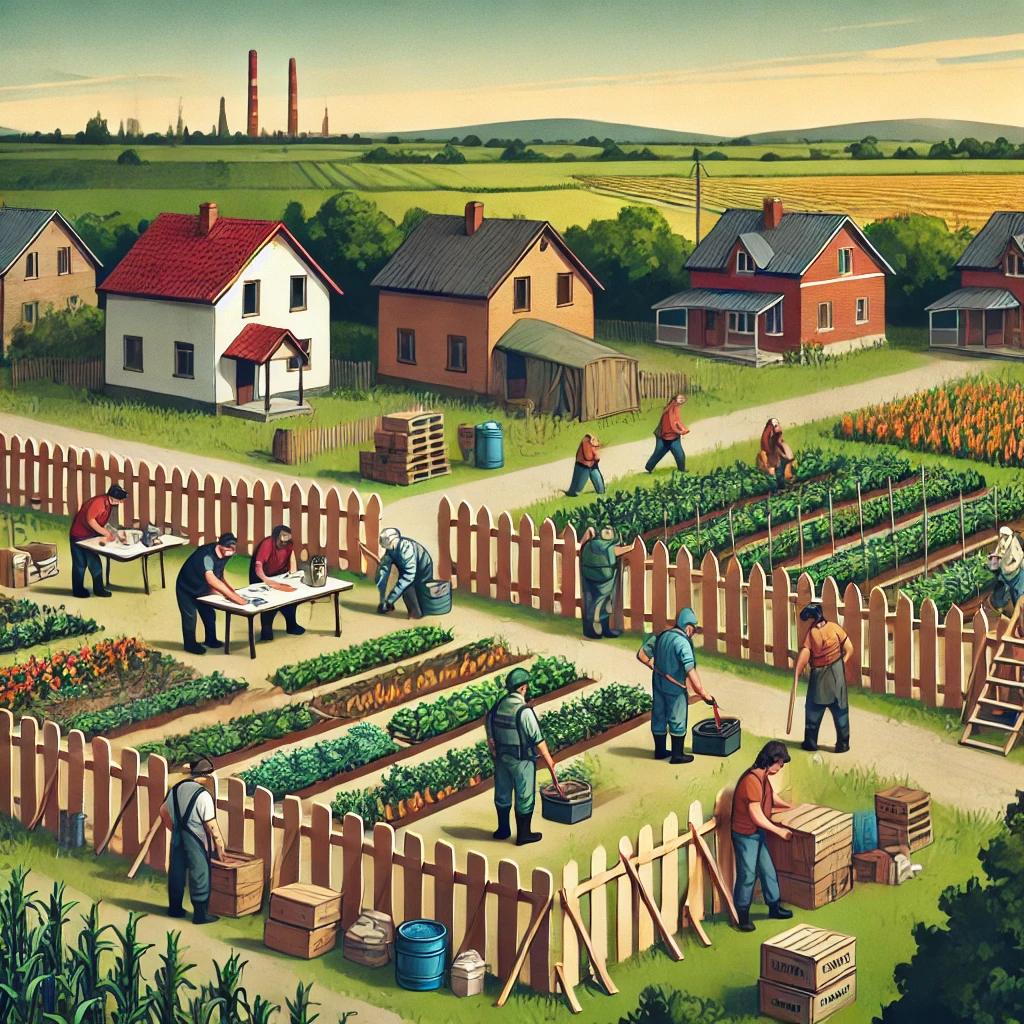 Community-based preparedness shifts from individual survival to collective resilience. Preppers at this level recognize that working together with neighbors, family members, and local networks increases overall survival chances during a crisis. While individual skills and stockpiles provide a solid foundation, cooperation and resource sharing provide greater security and long-term stability.
Community preppers focus on building a mutual aid network where members share resources, knowledge, and labor. This approach increases resilience against both short-term emergencies and long-term societal breakdown.
Preppers at this level often live in rural or semi-rural areas where building community bonds is more feasible. However, some urban preppers also work toward building neighborhood-level preparedness plans.
Core Skills:
✅ Community Defense and Security – Forming local patrols and mutual defense groups
✅ Shared Resource Management – Coordinating food production and storage
✅ Local Trade and Bartering – Creating systems for local exchange of goods and services
✅ Medical and Tactical Coordination – Ensuring members have access to medical care and defense
✅ Emergency Communication – Establishing radio and communication protocols within the group
Why It Matters:
Individual prepping has limits. A lone prepper can only defend so much and store so much. A well-organized community offers greater security, shared labor, and enhanced medical and logistical support.
Community prepping increases the ability to:
- Defend a larger area
- Establish local supply chains and trade networks
- Provide medical care and childcare
- Create long-term food security through shared farming and livestock care
Why Preppers Are Attracted to This Level:
- Community Preppers value the strength and security of working together.
- Homesteaders benefit from shared infrastructure and protection.
- Rural Preppers form networks to strengthen local security and trade.
Estimated Population and Future Projections:
- Estimated Population: 2–3 million
- Projected Increase: Moderate growth as social instability and crime rates increase
Level 5 – Tactical and Self-Defense Skills
Focus Area: Tactical Training, Self-Defense
Dependence on Society: Moderate
Level of Being Off-Grid: Low
Applicable Prepper Types: Survivalist, Bug-Out Preppers, Tactical Preppers
Description:
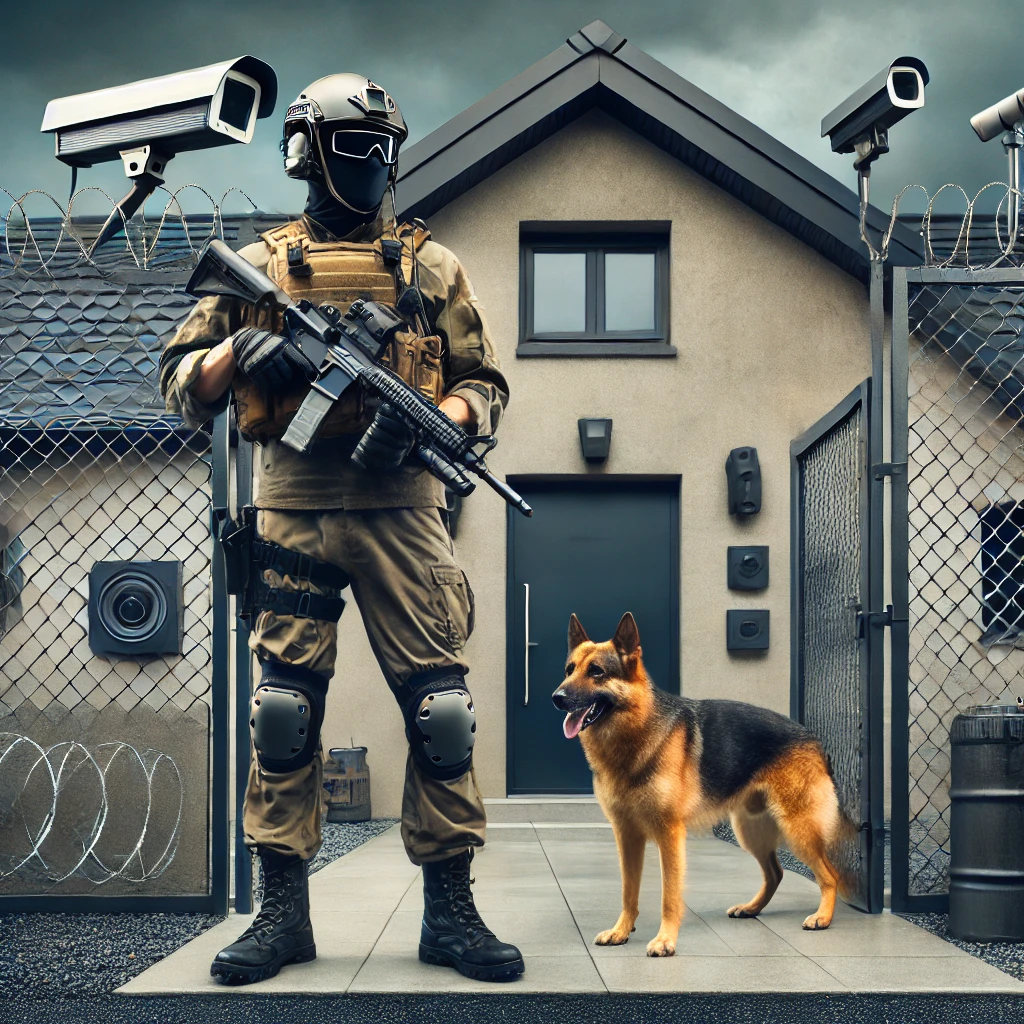 Level 5 represents the transition from passive to active preparedness. Tactical preppers anticipate that societal collapse will lead to increased violence, crime, and looting. Preppers at this level prioritize protecting themselves, their families, and their resources from external threats.
This level focuses on both personal and perimeter defense. Tactical preppers train in various forms of self-defense and offensive techniques, while also hardening their homes and properties against intrusion.
Many preppers at this level are former or current military personnel, law enforcement officers, or trained security professionals. However, others are civilians who have sought training in firearms, martial arts, and tactical defense.
Core Skills:
✅ Firearm Proficiency – Handling and maintaining handguns, rifles, and shotguns
✅ Perimeter Defense – Setting up barriers, alarms, and surveillance systems
✅ Close-Quarters Combat – Knife fighting, hand-to-hand combat, and disarming techniques
✅ Defensive Strategy – Coordinating escape routes and fallback points
✅ Vehicle Defense and Evacuation – Protecting vehicles and securing evacuation routes
Why It Matters:
In a societal collapse scenario, police and military protection may be unavailable. Tactical preppers train to defend themselves and their families from looters, criminal gangs, and hostile groups.
The goal is to deter threats and minimize conflict through superior training and preparedness.
Why Preppers Are Attracted to This Level:
- Survivalists value the ability to protect themselves from direct threats.
- Bug-Out Preppers anticipate the need to defend their resources while on the move.
- Tactical Preppers see security as a top priority during civil unrest or invasion.
Estimated Population and Future Projections:
- Estimated Population: 4–5 million
- Projected Increase: Steady growth due to rising crime and social unrest
Level 6 – Emergency Medical and Disaster Planning
Focus Area: First Aid, Trauma Care, Disaster Preparedness
Dependence on Society: Moderate
Level of Being Off-Grid: Low
Applicable Prepper Types: Medical Preppers, Survivalists, Bug-Out Preppers
Description:
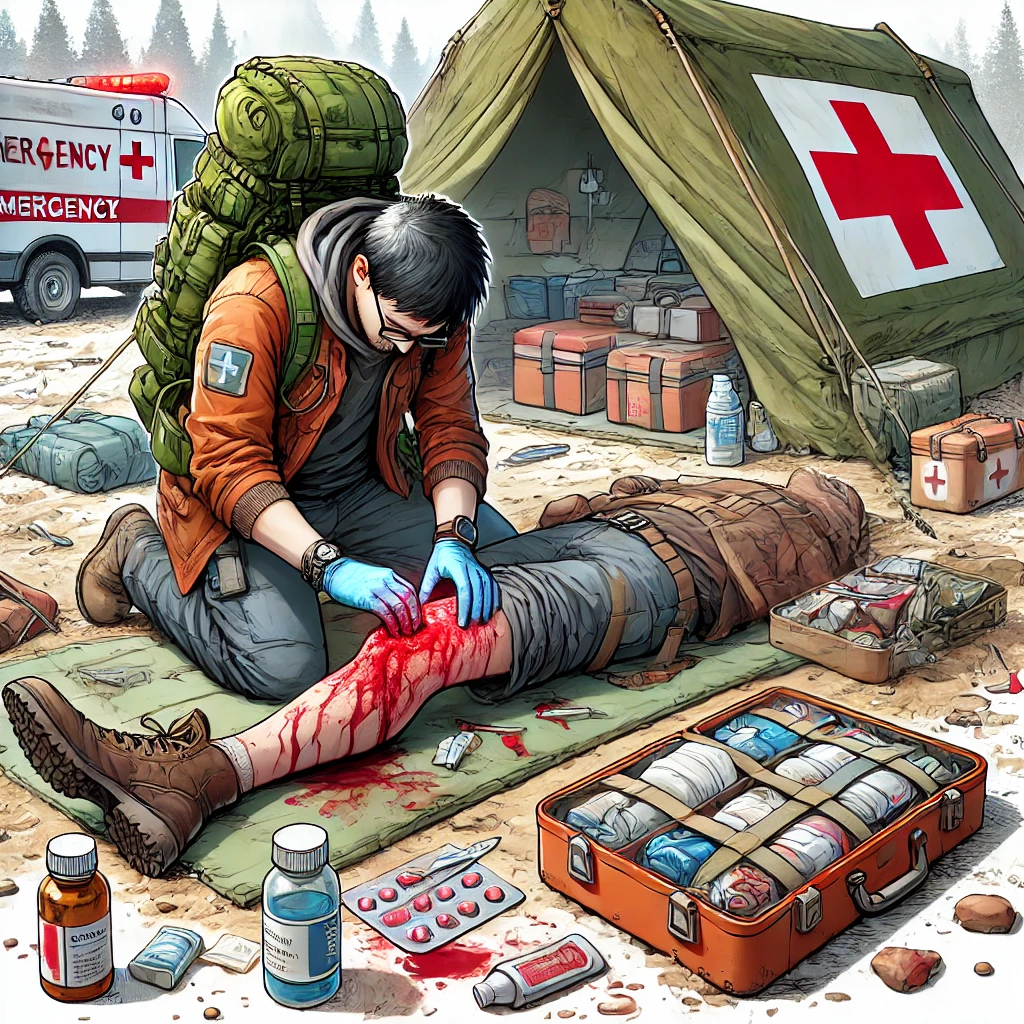 Level 6 preppers understand that in a large-scale disaster, medical care may become unavailable or severely limited. Hospitals may be overwhelmed, emergency responders may be unavailable, and supply chains for medicines and medical equipment may break down.
Medical preppers train to handle:
- Trauma from injuries
- Chronic health conditions
- Exposure to pathogens
- Childbirth
- Dental care
They often build detailed medical kits and secure large supplies of essential medications, antibiotics, and wound care materials.
Core Skills:
✅ Trauma Care – Stopping bleeding, treating gunshot wounds, and stabilizing broken bones
✅ Triage and Wound Management – Identifying and prioritizing injuries
✅ Medical Supply Stockpiling – Securing antibiotics, pain relievers, and surgical tools
✅ Alternative Medicine – Using herbal remedies and natural healing techniques
✅ Medical Sanitation – Preventing infection and maintaining sterile environments
Why It Matters:
Medical issues are one of the leading causes of death in a disaster scenario. The ability to provide medical care when hospitals are offline or overwhelmed increases survival chances dramatically.
Why Preppers Are Attracted to This Level:
- Medical Preppers prioritize healthcare resilience.
- Survivalists recognize that injuries are likely in a chaotic environment.
- Bug-Out Preppers need to be able to treat injuries while mobile.
Estimated Population and Future Projections:
- Estimated Population: 2–3 million
- Projected Increase: Steady growth as health system failures increase
Level 7 – Logistics and Supply Chain Awareness
Focus Area: Stockpiling, Supply Chain Preparedness
Dependence on Society: High
Level of Being Off-Grid: Low
Applicable Prepper Types: Economic Preppers, Urban Preppers, Community Preppers
Description:
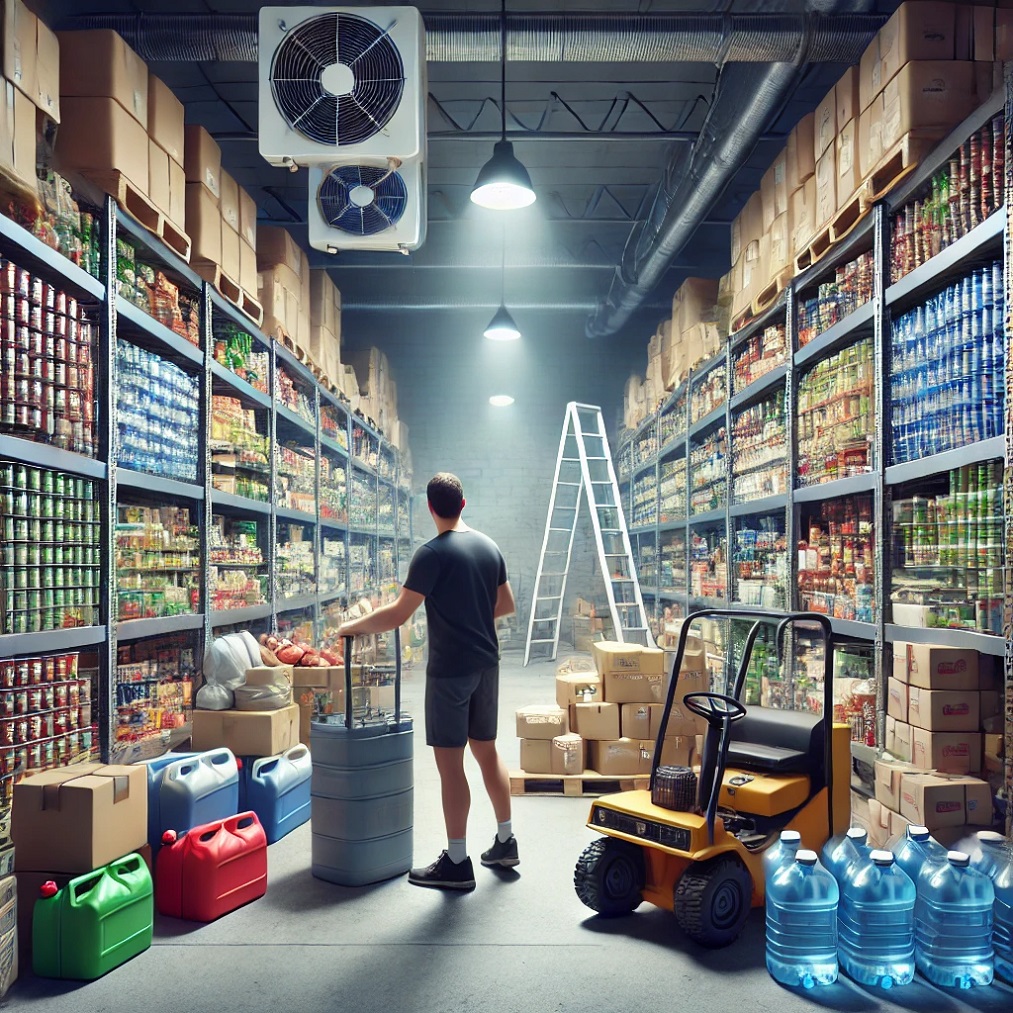 Supply chain awareness is one of the fastest-growing levels of prepping. Economic preppers have seen how quickly store shelves empty during emergencies and are preparing to weather long-term disruptions in food, energy, and material availability.
Logistics preppers focus on:
- Stockpiling food and water
- Fuel reserves
- Backup power systems
- Diversified supply chains
- Off-grid food and water production
Core Skills:
✅ Stockpiling and Rotation – Maintaining long-term food supplies
✅ Fuel Storage – Safely storing gasoline, propane, and wood
✅ Distribution Management – Establishing local and regional trade routes
✅ Security of Supplies – Protecting caches from theft or discovery
✅ Alternative Supply Chains – Creating local sourcing options
Why It Matters:
Global trade networks are vulnerable to political instability, cyberattacks, and environmental disasters. Preppers at this level aim to insulate themselves from market volatility.
Why Preppers Are Attracted to This Level:
- Economic Preppers seek financial security and resource control.
- Urban Preppers want to avoid food and water shortages.
- Community Preppers focus on collective food and supply networks.
Estimated Population and Future Projections:
- Estimated Population: 6–8 million
- Projected Increase: Significant growth due to rising inflation and supply chain fragility
Level 8 – Cybersecurity and Communication
Focus Area: Cybersecurity, Communication Networks
Dependence on Society: High
Level of Being Off-Grid: Moderate
Applicable Prepper Types: Technical Preppers, News and Current Event Preppers, Urban Preppers
Description:
 Level 8 represents a shift from physical survival to digital security and communication resilience. As society becomes more dependent on technology and global communication networks, preppers at this level focus on protecting themselves from cyberattacks, surveillance, and communication failures.
Cybersecurity and communication preppers anticipate that during a large-scale disaster or societal collapse, digital networks could become compromised or restricted. The goal is to maintain secure communication and protect sensitive information while minimizing dependence on government and corporate networks.
Preppers at this level often have backgrounds in information technology, cybersecurity, or telecommunications. They understand the vulnerabilities of modern networks and take proactive steps to harden their systems.
Core Skills:
✅ Encryption and Secure Communication – Using VPNs, end-to-end encryption, and secure messaging apps
✅ Mesh Networking – Creating decentralized communication networks that operate without internet access
✅ Cyber Threat Monitoring – Tracking government and corporate surveillance programs
✅ Digital Privacy – Removing personal data from online platforms and dark web monitoring
✅ Radio and Emergency Communication – Using HAM radio, CB radio, and satellite communication for backup
Why It Matters:
In modern society, information is power. Losing access to communication networks and secure information creates vulnerability. Cybersecurity preppers aim to retain control over information and communication even when major networks fail.
For example:
- A government-imposed internet shutdown could cut off access to banking and trade.
- A large-scale cyberattack could disable power grids and supply chains.
- Surveillance and data collection could compromise the location and identity of preppers.
Why Preppers Are Attracted to This Level:
- Technical Preppers focus on protecting digital assets and information.
- News and Current Event Preppers seek unfiltered, uncensored information during a crisis.
- Urban Preppers want to protect their financial and communication infrastructure.
Estimated Population and Future Projections:
- Estimated Population: 500,000–1 million
- Projected Increase: Moderate growth as cyber threats increase and governments tighten internet controls
Level 9 – Renewable Energy and Automation
Focus Area: Renewable Energy, Automation
Dependence on Society: Moderate
Level of Being Off-Grid: High
Applicable Prepper Types: Homesteaders, Technical Preppers, Rural Preppers
Description:
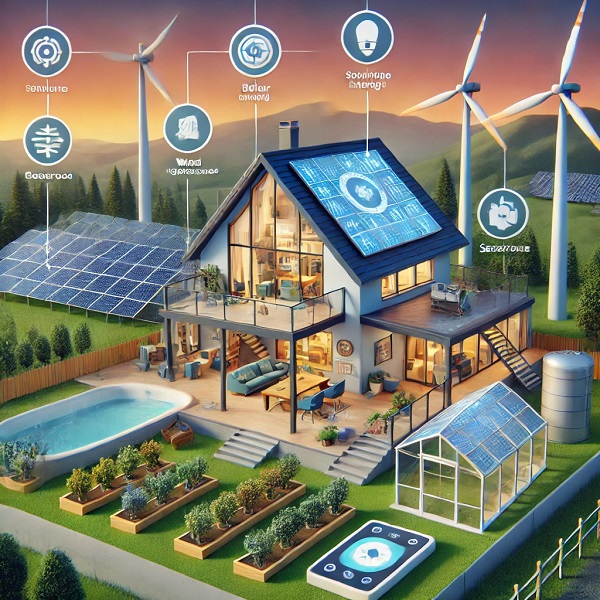 Level 9 represents a significant jump in preparedness complexity. Preppers at this level focus on achieving energy independence and using automation to increase efficiency and reduce labor. Renewable energy allows preppers to operate independently from the electrical grid, while automation increases productivity and resource management.
Preppers at this level often combine homesteading with advanced technology. A well-designed renewable energy and automation system creates long-term security even if external infrastructure collapses.
This level involves significant financial investment and technical expertise, making it more accessible to higher-income preppers or those with backgrounds in engineering or technical fields.
Core Skills:
✅ Solar Power Systems – Installing and maintaining solar panels and battery storage
✅ Wind and Hydro Power – Using wind turbines and small hydroelectric generators
✅ Smart Home Automation – Creating automated security, heating, and water systems
✅ Battery and Energy Storage – Building large-scale battery systems for power independence
✅ Automated Greenhouses – Using climate-controlled hydroponics for food production
Example Setup:
A Level 9 prepper might have a homestead equipped with:
- A solar array that generates enough power to operate independently of the grid
- Battery backups that store energy for night or cloudy conditions
- A smart irrigation system that waters crops automatically
- An automated surveillance system that monitors the property and alerts the owner of intrusions
- A wind turbine that supplements solar generation
Why It Matters:
Modern society’s dependence on centralized power grids and supply chains creates a significant vulnerability. An extended blackout or supply chain collapse could paralyze urban areas. Preppers at this level seek to eliminate this dependency by generating their own power and automating critical systems.
Why Preppers Are Attracted to This Level:
- Homesteaders value off-grid independence and sustainable living.
- Technical Preppers enjoy combining technology with self-sufficiency.
- Rural Preppers seek to minimize dependence on external infrastructure.
Estimated Population and Future Projections:
- Estimated Population: 1–2 million
- Projected Increase: Steady growth as renewable energy becomes more affordable and available
Level 10 – AI and Technological Integration
Focus Area: Artificial Intelligence, Data-Driven Preparedness
Dependence on Society: Very High
Level of Being Off-Grid: Very Low
Applicable Prepper Types: Technical Preppers, Economic Preppers, Urban Preppers
Description:
 Level 10 represents the highest and most complex level of prepping. Preppers at this level use artificial intelligence (AI) and advanced technology to monitor threats, manage resources, and automate decision-making.
AI-based prepping involves integrating machine learning and predictive algorithms into resource management, security, and strategic planning. AI can process vast amounts of data, identify patterns, and provide real-time responses to complex situations.
Level 10 preppers often have backgrounds in data science, engineering, or artificial intelligence. The financial investment required to reach this level makes it accessible primarily to high-net-worth individuals or those with advanced technical skills.
Core Skills:
✅ Threat Modeling – Using AI to analyze global and local threats in real time
✅ Automated Security Systems – AI-driven surveillance and perimeter defense
✅ Data-Driven Resource Allocation – Using predictive modeling to manage food, water, and energy
✅ AI-Managed Medical Systems – AI-based triage and health monitoring
✅ Blockchain and Digital Trade Networks – Securing financial transactions and resource exchanges
Example Setup:
An AI-driven prepper compound might include:
- An AI-driven security system that monitors for intrusion and automatically deploys drones
- Automated food production that adjusts based on weather and soil conditions
- AI-based health monitoring that detects medical emergencies and responds autonomously
- Blockchain-based trade networks that allow secure and decentralized bartering
- AI-based communication systems that automatically switch between satellite and local networks
Why It Matters:
AI increases efficiency and response time in complex scenarios. Preppers at this level believe that human reaction time is too slow to respond to rapidly changing threats. AI provides faster, data-driven decision-making.
Why Preppers Are Attracted to This Level:
- Technical Preppers see AI as the ultimate tool for survival and efficiency.
- Economic Preppers value AI’s ability to hedge against market instability.
- Urban Preppers benefit from AI’s real-time threat assessment capabilities.
Estimated Population and Future Projections:
- Estimated Population: 100,000–250,000
- Projected Increase: Slow growth due to high cost and technical expertise requirements
Conclusion: The Future of Prepping
Prepping is no longer a fringe movement—it’s becoming a global lifestyle.
- Levels 1–2 (Bushcraft) represent a return to primitive skills and survival in nature.
- Levels 3–4 (Homesteading and Community) focus on self-sufficiency and local trade networks.
- Levels 5–6 (Tactical and Medical) reflect the reality that security and healthcare will be limited in a crisis.
- Levels 7–8 (Supply Chains and Cybersecurity) are responses to modern technological vulnerabilities.
- Levels 9–10 (Renewable Energy and AI) represent the future of prepping, combining sustainability with advanced technology.
Long-Term Projections:
- Prepping is expected to grow by 30%–40% in the next decade as global instability increases.
- Homesteading and tactical prepping are projected to grow the fastest.
- AI-based prepping will remain limited to a wealthy and technically skilled minority.
Prepping is no longer about paranoia—it’s about practical resilience in an increasingly unstable world.