
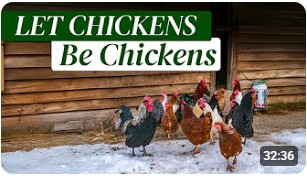

🐔 Thinking about backyard egg-laying chickens — but not sure where to begin? Here’s the actual starter info that matters.
✅ Before you bring chickens home
📜 Check local rules: many towns limit flock size + roosters (noise).
🦊 Predators are the #1 problem: raccoons, mink/weasels, coyotes, hawks, neighborhood dogs. Plan protection first, birds second.
⏱️ Real time commitment: 5–10 min/day basics + a deeper clean weekly.
🏠 Coop + run setup (the non-negotiables)
🌬️ Ventilation > insulation: chickens handle cold well if they’re dry and out of wind; damp + drafts are what cause trouble.
📏 Space guide (simple):
Coop (inside): ~ 2–4 sq ft per chicken
Run (outside): ~ 8–10 sq ft per chicken
More space = less bullying, less smell, fewer health issues.
🛡️ Predator-proof checklist:
Hardware cloth (not chicken wire) on openings
Secure latches (raccoons can open simple ones)
Covered run or netting to stop hawks
Bury a skirt of hardware cloth around run edges (prevents digging)
🥣 Feed + water (keep it boring + consistent)
🍽️ Layer feed: use a quality layer pellet/crumble once they start laying (usually ~18–20 weeks).
🦪 Calcium: offer crushed oyster shell free-choice for strong eggshells.
💧 Water: clean water daily; in winter, prevent freezing (heated base if needed).
🥬 Scraps rule (the “real” version):
✅ small amounts of veg/fruit/grains are usually fine
⚠️ avoid feeding a huge pile of one thing, especially in confinement
🚫 avoid moldy food, salty/processed foods, or anything spoiled
🐣 Raising chicks (first weeks)
🔥 Brooder temp: start around 95°F / 35°C week 1, then drop ~5°F (3°C) per week until they’re feathered.
🪵 Bedding: pine shavings (not slippery newspaper).
💧 Teach them to drink: gently dip beaks in water when they arrive.
🍽️ Feed: chick starter (not layer feed).
📦 Ordering chicks tip (from the episode):
🗓️ If you want eggs in spring, consider ordering chicks so they reach laying age as daylight increases—egg laying is strongly tied to day length.
🧼 Biosecurity (how flocks usually get sick)
🚪 Biggest risk = bringing in birds from elsewhere.
✅ Best practice: start with chicks and keep a “closed” flock.
🧽 Keep bedding dry, don’t overcrowd, clean feeders/waterers regularly.
🌤️ Egg production reality
☀️ Daylight drives laying. Many hens slow down a lot in winter.
💡 People sometimes use a coop light to maintain daylight hours, but you can also accept the seasonal cycle and plan around it.
🐔 Quick starter numbers (easy planning)
🥚 Egg expectation: a good layer often averages 4–6 eggs/week in peak season (varies by breed, feed, daylight, stress).
👥 Family of 2–4: often happy with 6–10 hens depending on egg needs + winter slowdown.