
-
- A new study shows swapping processed snacks for mixed nuts dramatically reduces metabolic syndrome risk.
-
- This simple dietary change significantly improves heart and metabolic health in young adults.
-
- Participants saw major reductions in triglycerides and insulin levels without any caloric restriction.
-
- Women experienced a 67 percent risk reduction, driven by decreased waist circumference and visceral fat.
-
- Men achieved a 42 percent risk reduction, primarily through improved blood sugar control.
A powerful new study has revealed that a simple, natural snack swap can dramatically combat one of America’s most pervasive health threats: metabolic syndrome. Researchers from Vanderbilt University have published groundbreaking evidence showing that replacing processed, carb-heavy snacks with raw tree nuts significantly reduces key risk factors for heart disease and diabetes in young adults, all without requiring any caloric restriction.
This 16-week intervention trial involved 84 young adults between the ages of 22 and 36. Each participant had a body mass index above the healthy range and at least one risk factor for metabolic syndrome. The study’s elegant design highlights how a single dietary change can trigger a profound metabolic shift toward better health.
The power of a simple swap
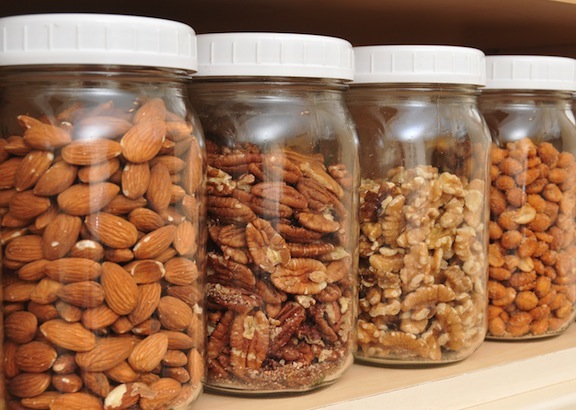
The participants were divided into two groups. One group was instructed to swap their typical afternoon snack for a quarter-cup of raw, unsalted mixed tree nuts, including almonds, walnuts, pecans, and cashews. The other group continued to eat calorie-matched, high-carbohydrate snacks like pretzels and graham crackers. No other changes to their diet or lifestyle were required.
After just 16 weeks, the results were striking and statistically significant. All participants who consumed the daily nuts saw a beneficial reduction in triglycerides, a type of fat in the blood that is a major risk factor for heart disease when elevated. This finding alone suggests a powerful cardioprotective effect from regular nut consumption.
The benefits, however, were even more pronounced when broken down by sex. Female participants experienced a remarkable 67 percent reduction in their metabolic syndrome risk. This was driven by significant decreases in waist circumference and visceral fat, the dangerous abdominal fat that surrounds organs and drives inflammation.
Men in the nut group also saw spectacular results, achieving a 42 percent reduction in their metabolic syndrome risk. Their improvement was primarily linked to lower blood insulin levels, a key indicator of improved blood sugar control and reduced diabetes risk.