
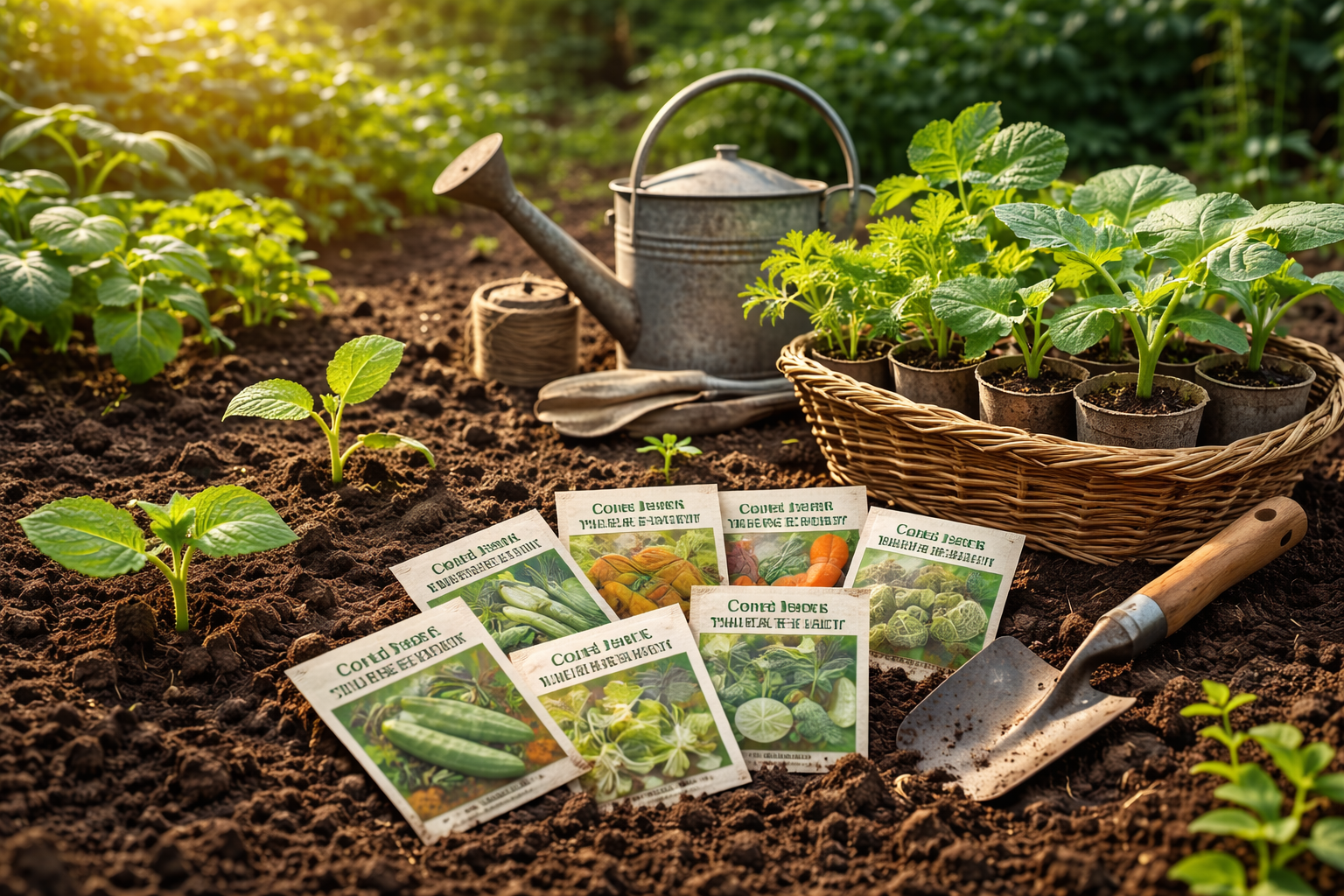
Many people assume that once summer is underway, it’s too late to start planting a garden. In reality, mid-summer is still a great time to get seeds into the soil and grow a productive harvest before fall.
If the season got away from you or your early crops have already finished, July can actually be a perfect opportunity for a second round of planting.
As long as your area still has several weeks before the first frost, there are many crops that grow quickly enough to produce food before the season ends.
With a little planning and the right seed choices, you can still enjoy a surprisingly productive garden.
Start With Your Frost Dates
Before planting anything in mid-summer, the first step is understanding your local frost schedule.
Every region has two important dates:
• Last spring frost – the final frost before the growing season begins
• First fall frost – when cold weather typically returns
These dates determine how much time you have left in the growing season.
For example, if your first frost typically occurs in early October and it’s currently July, you may still have 90–100 days of growing time remaining.
That’s plenty of time for many vegetables that mature quickly.
You can usually find your frost dates with a simple search using your city or growing zone.
Understanding Seed Packets
Seed packets contain valuable information that helps you decide whether a crop is still worth planting.
Key details to check include:
Days to maturity
This tells you how long it takes for the plant to produce harvestable food.
Germination temperature
Some seeds prefer cooler soil while others need warm soil to sprout.
Sunlight requirements
Most summer vegetables require full sun.
Plant spacing and depth
Proper spacing helps prevent overcrowding and disease.
Water needs
Some crops tolerate dry soil better than others.
By comparing the days to maturity with the number of frost-free days left in the season, you can quickly determine which crops still have time to grow.
A Simple Way to Organize Your Seeds
One helpful strategy is to sort your seed packets into three groups:
Plant Now
Seeds that can still mature before frost.
Wait for Fall
Cool-weather crops that prefer lower temperatures later in the season.
Too Late This Year
Plants that simply take too long to grow.
This quick sorting process makes planning a mid-summer garden much easier.
Vegetables You Can Still Plant in July
Several vegetables grow quickly enough to produce food even when planted in mid-summer.
Here are some reliable options:
Cucumbers
Many cucumber varieties mature in about 50–60 days. Warm soil temperatures also help them germinate quickly during summer.
Swiss Chard
Chard grows quickly and tolerates both warm and cooler temperatures.
Bush Beans
Bush beans mature quickly and can often be harvested in about two months.
Summer Squash
Zucchini and other squash varieties grow rapidly and produce heavily once established.
Heat-Tolerant Lettuce
Certain lettuce varieties are bred to tolerate warmer weather.
Cabbage
Fast-growing varieties can still produce heads before frost.
Broccoli
Late-summer plantings often produce a fall harvest.
Cauliflower
Some varieties mature fast enough for late planting.
Brussels Sprouts
These take longer but can still be planted in some climates for fall harvest.
Kale
Kale actually improves in flavor after cooler temperatures arrive.
Seeds That May Be Better for Fall
Some vegetables struggle in hot summer soil but grow well later in the season.
Examples include:
• Spinach
• Peas
• Radishes
• Turnips
• Carrots
These crops often perform better when planted in late summer for fall harvest.
Speeding Up Growth When Planting Late
Because mid-summer planting gives crops less time to grow, improving soil and growing conditions becomes even more important.
Healthy soil helps plants grow faster and stronger.
Some helpful techniques include:
Add compost
Organic matter improves nutrient levels and soil structure.
Use compost tea
Liquid compost solutions provide nutrients that plants can absorb quickly.
Raised beds
Raised soil warms faster and drains better, which encourages rapid root growth.
Season extenders
Cold frames or greenhouse covers can help protect plants as temperatures begin to cool later in the year.
Consider Using Plant Starts
If local nurseries still have plant starts available, these can save several weeks of growing time.
Transplants work especially well for crops like:
• Tomatoes
• Peppers
• Eggplants
These plants can develop additional roots along buried stems, helping them establish quickly.
However, some plants prefer direct seeding and do not transplant well.
Examples include:
• Cucumbers
• Squash
• Zucchini
For these crops, planting seeds directly in the soil is usually the best approach.
Planting in the Evening Helps Seeds Germinate
One small trick that many gardeners overlook is planting later in the day.
Evening planting has several advantages:
• The soil stays cooler and retains moisture overnight
• Seeds avoid intense midday sun
• Young seedlings experience less stress
This simple habit can improve germination rates significantly during hot weather.
Avoid Overwatering
While water is essential for seed germination, too much water can damage plant roots.
Garden soil should feel like a damp sponge.
It should hold moisture but not become soggy or waterlogged.
Excess water can lead to root rot, fungal problems, and poor plant growth.
Consistent, moderate watering is usually the best approach.
The Best Way to Learn Gardening
The most important step in gardening is simply starting.
Even if your planting schedule isn’t perfect, getting seeds into the soil teaches you more than any book or guide.
Each growing season provides new lessons about soil, weather, pests, and plant behavior.
And many gardeners discover that some of their best harvests come from late-season plantings.
If you still have several weeks before your first frost, there’s a good chance you can still grow something.
So grab a few seed packets, prepare your soil, and start planting.
You might be surprised how much food your garden can still produce before the season ends