
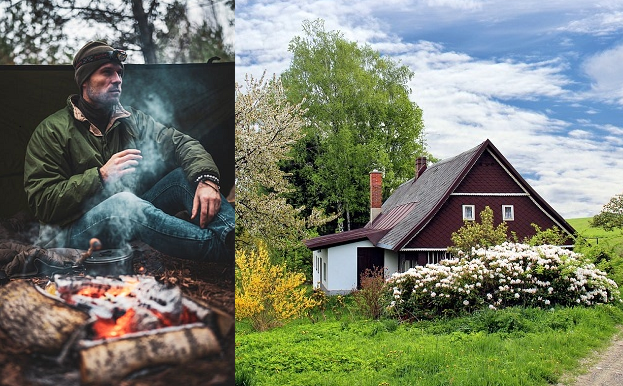
Prepping Communities can be used by both Preppers and Homesteaders because they are both dedicated to self-sufficiency and preparedness, however, Preppers and Homesteaders differ slightly in their approaches and philosophies.
Preppers
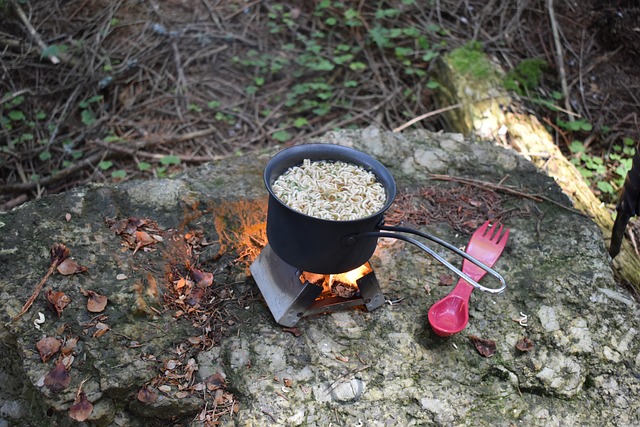
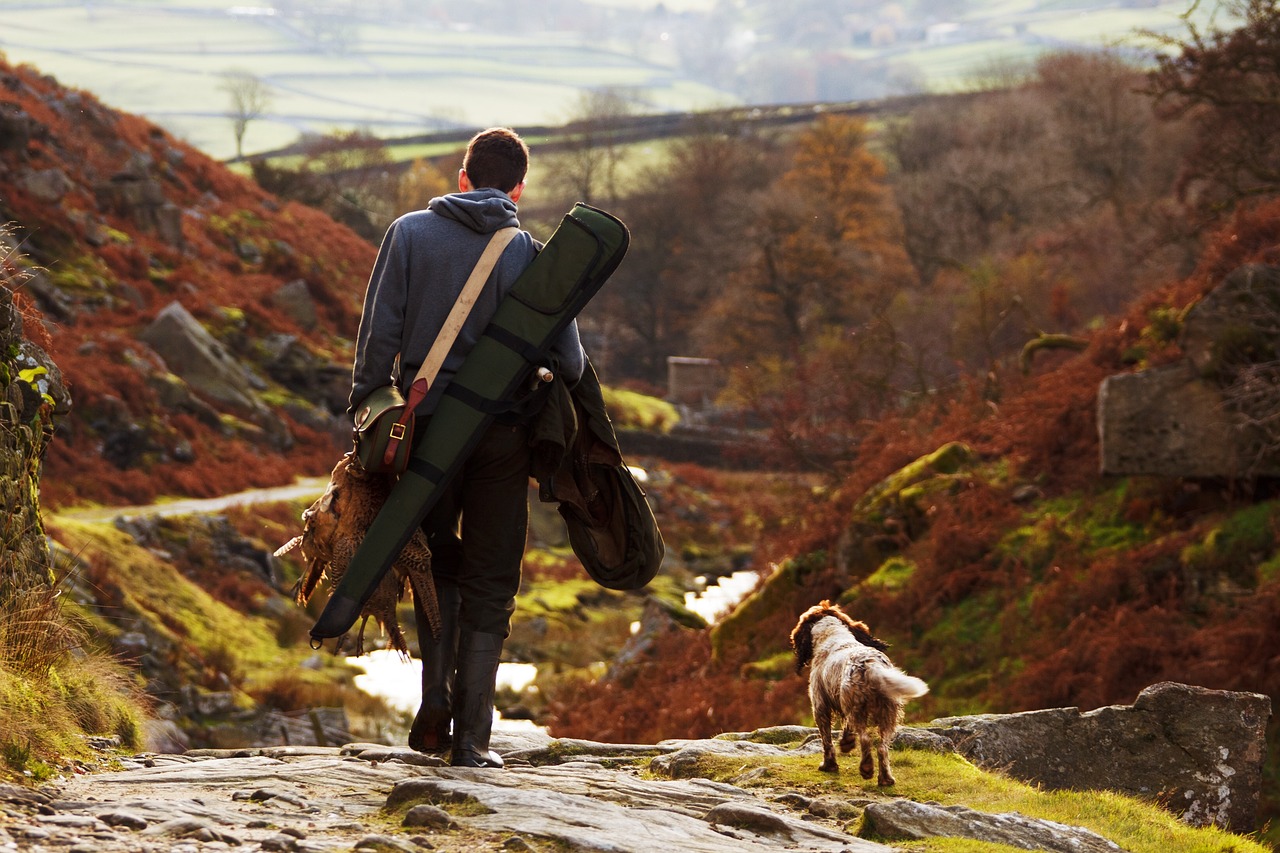
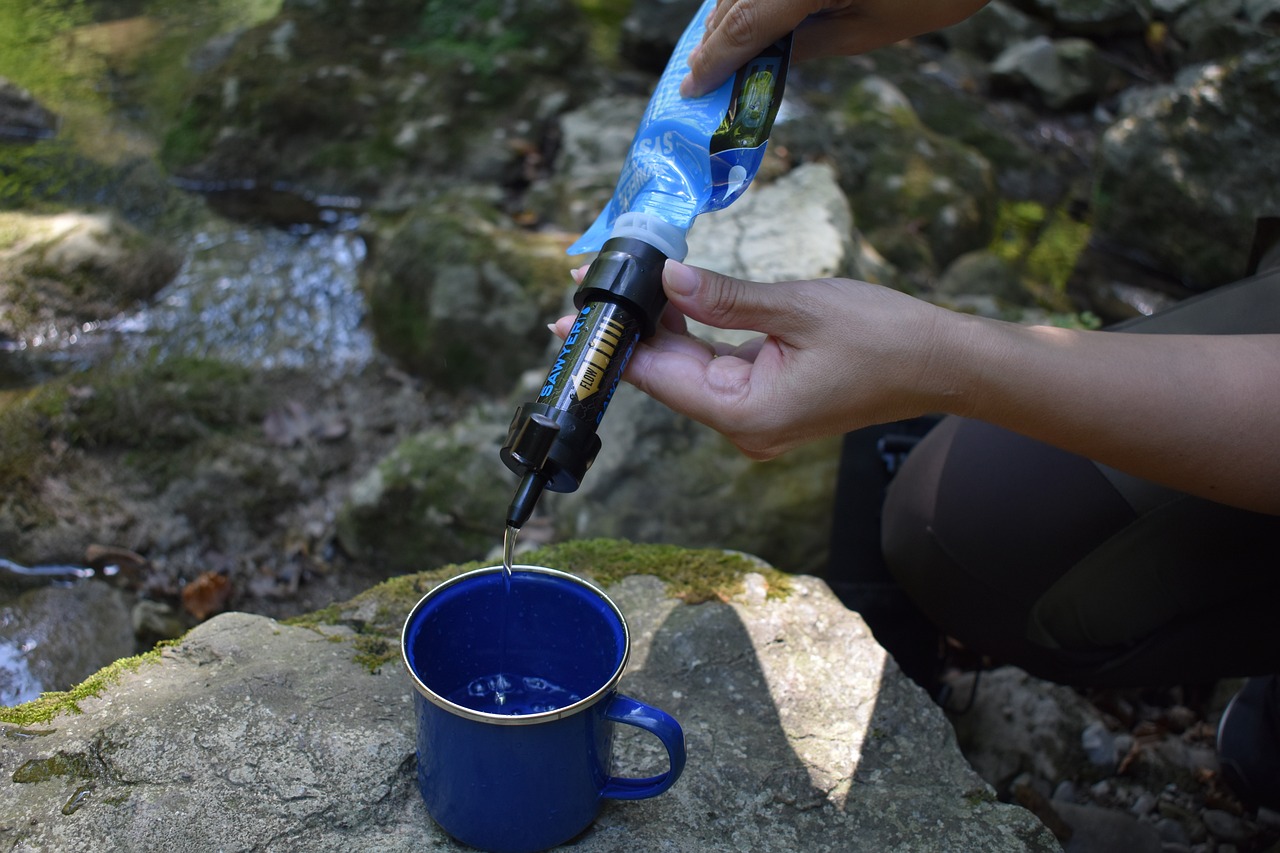
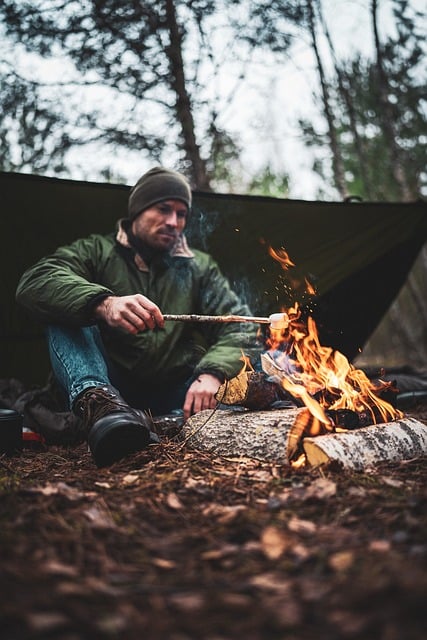
- Focus and Motivation:
- Preparedness for Disasters: Preppers primarily focus on preparing for various disaster scenarios, including natural disasters, economic collapse, societal breakdown, pandemics, and other emergencies.
- Short to Long-term Survival: The emphasis is on ensuring survival for short-term crises, typically ranging from a few days to several months, but some also prepare for longer-term scenarios.
- Methods and Activities:
- Stockpiling Supplies: Preppers often stockpile food, water, medical supplies, and other essentials to sustain themselves during emergencies.
- Skills Training: They invest in learning survival skills such as first aid, self-defense, fire-starting, and shelter-building.
- Bug-Out Plans: Many preppers have contingency plans for evacuating (bugging out) to a safer location if their current environment becomes unsafe.
- Use of Technology: Preppers may use advanced technology for communication, energy generation, and other survival needs.
- Mindset:
- Readiness for the Unexpected: Preppers aim to be ready for any unexpected event that could disrupt normal life.
- Often Individual or Small-Group Focused: While community is important, much of the prepper mindset involves individual or family preparedness.
Homesteaders
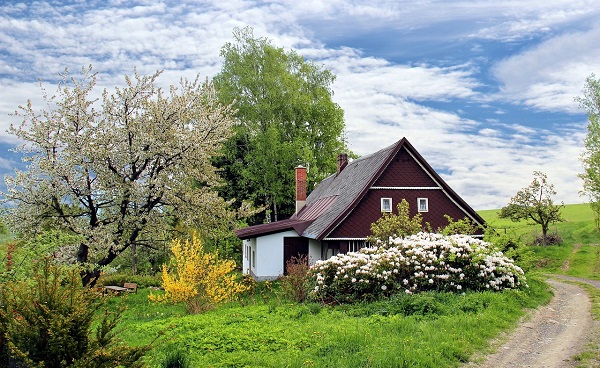
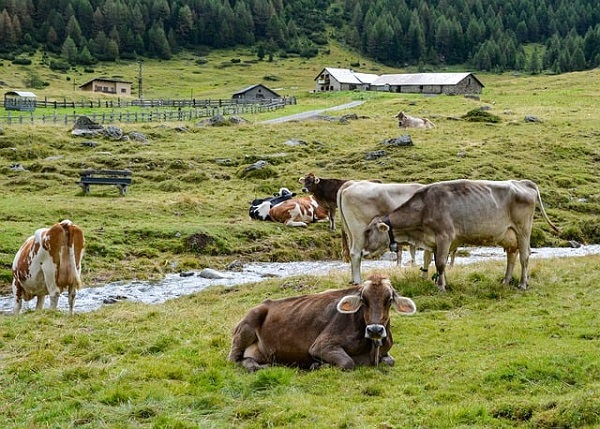
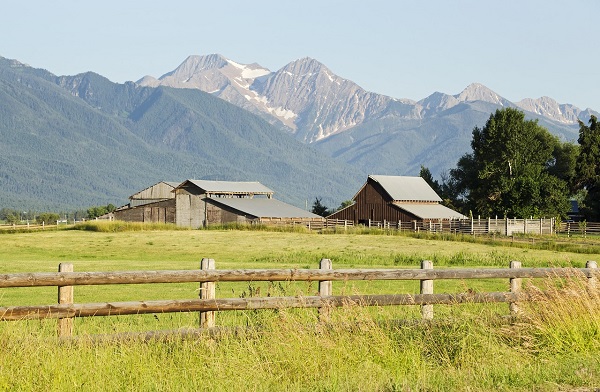
- Focus and Motivation:
- Self-Sufficient Living: Homesteaders focus on living a sustainable, self-sufficient lifestyle, often driven by a desire to be closer to nature, reduce dependence on modern infrastructure, and lead a simpler life.
- Long-term Sustainability: The emphasis is on creating a lifestyle that can be maintained indefinitely through self-reliance.
- Methods and Activities:
- Agriculture and Animal Husbandry: Homesteaders often grow their own food, raise livestock, and maintain gardens.
- DIY and Handcrafts: They typically engage in activities like canning, preserving food, making soap, and other traditional crafts.
- Renewable Energy: Many homesteaders use renewable energy sources like solar panels and wind turbines to power their homes.
- Building Skills: Skills like carpentry, blacksmithing, and other traditional trades are common among homesteaders.
- Mindset:
- Lifestyle Choice: Homesteading is often a deliberate lifestyle choice aimed at sustainability and reducing one’s ecological footprint.
- Community-Oriented: Homesteaders often emphasize community and bartering, sharing skills and resources with neighbors.
Key Differences
- Duration of Focus: Preppers often prepare for short to mid-term emergencies, while homesteaders focus on long-term self-sufficiency.
- Primary Motivation: Preppers are motivated by the potential for emergencies and disasters, whereas homesteaders are driven by a desire for a sustainable, self-reliant lifestyle.
- Approach to Resources: Preppers stockpile supplies to use in times of crisis, while homesteaders aim to produce and maintain their resources continuously.
Similarities
- Both groups value self-sufficiency and skills that allow them to live independently.
- Both may overlap in certain activities, such as gardening, food preservation, and learning survival skills.
Additional Information
- Backdoor Survival – What’s The Difference Between Prepping and Homesteading?
- Survival Sullivan – Homesteading vs. Prepping: Which Is Right for You?
- The Prepper Journal – Prepping vs. Homesteading: What’s the Difference?
We developed our platform for both Preppers and Homesteaders. As you can see from this blog, both groups value self-sufficiency and skills that allow them to become independent. They also share a lot in common like gardening, food preservation and skills to survive off the animals and land.