
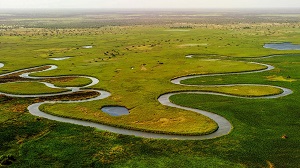
 Wildlife Habitat Fragmentation is a news and information topic monitored and covered by: Prepper Watch – Environment
Introduction
As urbanization and infrastructure development expand, the natural habitats that wildlife depend on are increasingly being fragmented. The impact of this fragmentation is profound, with consequences for biodiversity, the health of ecosystems, and even the safety of humans. The destruction of animal migration routes, the reduction in habitat size, and the increase in human-wildlife conflict are issues that preppers must consider as part of their long-term survival strategy. In this blog, we will explore how preppers can prepare for the challenges posed by wildlife habitat fragmentation and ensure that they are ready to adapt to changing environments.
Understanding Wildlife Habitat Fragmentation
Wildlife habitat fragmentation occurs when large, continuous habitats are broken up into smaller, isolated patches due to human activities like urban sprawl, infrastructure development, and agricultural expansion. This fragmentation limits animals’ ability to move, find food, mate, and migrate. As a result, biodiversity is diminished, and many species are at risk of local extinction. Moreover, fragmented habitats force animals to cross human settlements, leading to an increase in human-wildlife conflict, as animals venture into urban areas in search of food or shelter.
Preppers must recognize that these issues will only intensify as urbanization continues. Preparing for the future means understanding how fragmented habitats affect wildlife and how this, in turn, will impact human survival. Here’s how to address the issues caused by wildlife habitat fragmentation.
The Impact of Wildlife Habitat Fragmentation
- Reduced Biodiversity
Biodiversity is essential for a stable ecosystem, and fragmentation is one of the leading causes of biodiversity loss. When species are isolated in smaller patches of habitat, they become more vulnerable to predation, disease, and the inability to find adequate food sources. Small populations are also more likely to suffer from inbreeding, reducing their genetic diversity and long-term survival potential. A reduction in biodiversity weakens ecosystems, making them less resilient to environmental changes such as climate change, droughts, and storms.
- Human-Wildlife Conflicts
As animals lose their natural habitats, they are forced to wander into urban and suburban areas in search of food, water, and shelter. This leads to an increase in human-wildlife conflicts. Animals such as deer, bears, coyotes, and even large predators like wolves may invade residential areas, causing damage to property, vehicles, crops, and even posing risks to human safety. Additionally, the increased contact between humans and wildlife can lead to the transmission of diseases such as Lyme disease, rabies, and West Nile virus.
- Threat to Food Systems
The fragmentation of wildlife habitats also has significant implications for food security. Wild animals, particularly pollinators, are crucial for the reproduction of plants that make up much of the human food supply. Fragmented habitats limit the movement of these animals, resulting in poor pollination rates and potentially lower crop yields. Additionally, the disruption of natural predator-prey relationships could lead to an imbalance, with certain pests or animals becoming more abundant and damaging crops and livestock.
- Loss of Ecosystem Services
Ecosystem services such as water purification, soil fertility, and climate regulation rely on healthy, intact ecosystems. Fragmentation reduces the effectiveness of these services. For example, wetlands and forests that are fragmented may no longer be able to store carbon effectively, contributing to climate change. Similarly, fragmented watersheds may not filter pollutants as efficiently, leading to water quality issues that could affect survival in a disaster scenario.
How Preppers Can Prepare for Wildlife Habitat Fragmentation
Create a Wildlife-Friendly Homestead
Preppers living on rural properties or homesteads can mitigate the effects of habitat fragmentation by making their land more wildlife-friendly. This can include creating wildlife corridors, preserving local plant species that provide food for animals, and reducing human impact on surrounding habitats.
Plant Native Species
Native plants are crucial for maintaining healthy ecosystems. These plants provide food and shelter for local wildlife and help maintain biodiversity. Preppers can enhance their homesteads by planting a variety of native species that cater to the needs of different animals, from small pollinators to larger herbivores.
Establish Wildlife Corridors
Wildlife corridors are strips of land that connect fragmented habitats, allowing animals to move safely between them. Preppers can create their own wildlife corridors by planting vegetation or leaving natural pathways through their property. This can help facilitate animal migration and reduce the risk of wildlife venturing into human settlements.
Maintain Natural Water Sources
Water is essential for both humans and animals. Preppers should consider preserving natural water sources such as ponds, streams, and wetlands on their land. Not only will these water sources benefit wildlife, but they will also provide vital resources for long-term survival during emergencies.
Understand Local Wildlife and Their Needs
One of the most important steps preppers can take is to familiarize themselves with the local wildlife in their region and understand their migration patterns, food sources, and nesting sites. By knowing which animals are at risk and how they use the land, preppers can tailor their survival plans to accommodate the needs of these species.
Study Migration Patterns
Animals rely on seasonal migration to access different resources, such as food, water, and breeding grounds. Preppers should learn about the migration patterns of local wildlife, especially those that may be at risk of habitat fragmentation. Knowing when and where animals move will help preppers avoid conflict and better plan for encounters with wildlife.
Create Wildlife Mapping Tools
Using technology such as GIS (Geographic Information Systems) or local wildlife monitoring data, preppers can map out critical wildlife habitats and corridors. This can help them identify areas of high wildlife activity and avoid dangerous encounters with animals. Having an up-to-date map of local wildlife movements can also aid in decision-making when selecting a location for a bug-out site.
Secure Your Property Against Wildlife Encroachment
As wildlife increasingly invades urban and suburban areas, preppers must take steps to protect their property from damage and maintain a safe living space. Ensuring your home and homestead are secure from wild animal intrusion is essential for both safety and preserving food supplies.
Build Strong Fencing and Barriers
Strong fences around gardens, livestock pens, and key infrastructure are essential for keeping animals out. Preppers should invest in tall, durable fences to prevent larger animals such as deer, bears, and wild boar from entering their property. Additionally, adding motion-activated lights or noise deterrents can help deter animals from approaching sensitive areas.
Secure Food and Water Sources
Animals will often be attracted to easy food sources, such as crops, compost piles, and stored food. Preppers must take extra care to secure these food sources by storing food in animal-proof containers and building secure barns or silos for long-term storage. Water sources should also be protected, particularly if they attract wildlife that may pose a danger.
Control Pests and Rodents
Fragmented habitats can lead to an increase in the number of pests and rodents. Preppers should have strategies in place to control these populations, including traps, natural repellents, and habitat management. This will not only prevent damage to crops and property but also reduce the potential for diseases transmitted by pests.
Advocate for Conservation Efforts
Preppers should also get involved in local and regional conservation efforts that seek to address habitat fragmentation on a larger scale. Joining or supporting organizations that focus on land preservation, wildlife corridors, and sustainable land-use practices is a proactive way to mitigate the effects of fragmentation and ensure that future generations of humans and wildlife can coexist peacefully.
Support Local Wildlife Protection Laws
Preppers can advocate for stronger environmental protection laws and wildlife management practices. Supporting legislation that promotes habitat preservation, wildlife corridors, and sustainable development can help protect both human and animal populations in the long term.
Get Involved in Habitat Restoration Projects
Another way to support wildlife conservation is to participate in or donate to habitat restoration projects. These projects aim to repair damaged ecosystems, reconnect fragmented habitats, and restore biodiversity. Preppers can participate in local volunteer efforts or create their own habitat restoration projects on their land.
Conclusion
Wildlife habitat fragmentation is a growing concern that will have significant long-term effects on ecosystems, biodiversity, and human survival. As preppers, it is crucial to understand the implications of this issue and take proactive steps to mitigate its impact. By creating wildlife-friendly spaces, securing food and water sources, and staying informed about local wildlife, preppers can ensure that they are prepared for the challenges posed by habitat fragmentation. Additionally, advocating for conservation efforts and participating in habitat restoration projects will help ensure that both wildlife and human populations can thrive in the face of urban expansion and environmental change.