
 Waterborne Diseases topic monitored and covered by: Prepper Watch – Water
Introduction
Waterborne diseases are infections that spread through contaminated drinking water. These diseases can be caused by bacteria, viruses, protozoa, or parasites, and can lead to severe gastrointestinal illnesses, dehydration, and even death if untreated. Some common waterborne diseases include:
- Cholera: Caused by the Vibrio cholerae bacteria, cholera can lead to severe diarrhea and dehydration, potentially leading to death without treatment.
- Dysentery: Often caused by Shigella bacteria or Entamoeba histolytica (a parasite), dysentery results in painful diarrhea and can cause dehydration.
- Giardiasis: Caused by the Giardia parasite, this disease can result in prolonged diarrhea, nausea, and cramping.
- Cryptosporidiosis: This parasitic infection is caused by Cryptosporidium, leading to diarrhea and abdominal cramps.
- Hepatitis A: A viral infection that affects the liver, hepatitis A can spread through contaminated water.
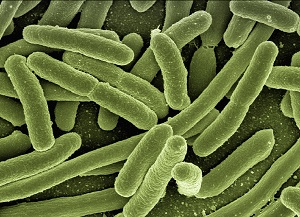
- E. coli infection: A strain of Escherichia coli can cause food poisoning-like symptoms, including diarrhea, cramps, and vomiting.
Understanding the causes, symptoms, and effects of waterborne diseases is crucial for any prepper. In addition to being aware of the potential dangers, it’s essential to develop strategies to prevent these diseases by ensuring water quality.
The Importance of Water Filtration and Purification
The foundation of preventing waterborne diseases is ensuring that the water you drink is free from harmful pathogens. The most effective way to achieve this is through water filtration and purification. In an emergency scenario, you may not have access to bottled water or municipal water systems, making these methods critical.
- Water Filtration
Water filters are designed to remove debris, sediment, and many types of microorganisms from water. The most common types of filters used for prepping include:
- Activated Carbon Filters: These filters are excellent at removing chlorine, sediments, and some bacteria. They are ideal for improving the taste and odor of water.
- Ceramic Filters: Ceramic filters can filter out larger particles, bacteria, and protozoa. They work well in a variety of environments and are durable for long-term use.
- Reverse Osmosis Filters: These systems are highly effective at removing not just bacteria and protozoa, but also chemicals and heavy metals. However, they require a reliable power source and access to water under pressure, making them less suitable for some off-grid situations.
- Water Purification
In addition to filtration, water purification is essential to kill any remaining pathogens that may survive the filtration process. Some of the best methods for purifying water include:
- Boiling: Boiling water for at least one minute is one of the most effective ways to kill most bacteria, viruses, and parasites. For higher altitudes, boil for at least three minutes.
- Chemical Disinfection: Iodine tablets, chlorine bleach, and water purification tablets can kill most pathogens in water. However, these chemicals may not be effective against all parasites or bacteria, and they often leave an aftertaste.
- UV Purifiers: Ultraviolet (UV) light can destroy microorganisms by disrupting their DNA, rendering them harmless. UV purifiers are highly effective, but they require power to operate and can be expensive.
- Multi-stage Systems
A multi-stage water purification system that combines filtration and chemical treatment or UV purification is ideal for ensuring water safety. These systems are particularly useful when accessing unknown or unreliable water sources, such as rivers or ponds.
Water Storage and Maintenance
Once you’ve secured clean water, it’s important to store it properly to prevent contamination. Here’s how preppers can safely store water for long-term use:
- Choosing Storage Containers
Water should be stored in food-grade containers that are specifically designed for water storage. Plastic bottles, large water jugs, and tanks are all viable options. Make sure the containers are clean, and always check for any cracks or leaks before use.
- Water Treatment for Storage
To prevent microbial growth in stored water, consider adding a small amount of bleach (unscented) or water purification tablets to your storage containers. The CDC recommends adding 1/8 teaspoon of unscented liquid household bleach to each gallon of water if you’re unsure about its purity.
- Storage Conditions
Store water in a cool, dry place, away from direct sunlight. UV rays and heat can degrade plastic containers over time, causing chemicals from the plastic to leach into the water. If possible, store water in a basement or cellar where temperatures are stable.
- Rotating Water Supplies
Even with proper treatment, stored water can degrade over time. Rotate your water supply every six months to ensure you always have fresh water available. This is especially important if you’re using chemicals or chlorine bleach to disinfect the water.
Building a Water Filtration and Purification Kit
A comprehensive water filtration and purification kit is an essential component of any prepper’s emergency supplies. The kit should contain everything necessary to filter and purify water in various scenarios. Essential items for your water purification kit include:
- Portable Water Filters: Hand-held filtration devices such as LifeStraw or Sawyer Mini are lightweight and can be used to filter water from rivers or lakes.
- Water Purification Tablets: These are compact, easy-to-carry, and can purify large volumes of water.
- Collapsible Water Containers: These containers are portable and can hold several gallons of water, making them useful for collecting water from outdoor sources.
- Boiling Equipment: A compact camping stove and pot for boiling water are essential for areas without reliable access to electricity or heat.
- UV Water Purifiers: Small, battery-powered UV purifiers are ideal for treating water quickly when you’re on the go.
- Water Treatment Drops: These can be used as a backup method for disinfecting water, particularly if you are unable to boil water or use a UV purifier.
Alternative Water Sources and Contingency Planning
During an emergency or in off-grid situations, access to safe drinking water may be limited. Preppers should be familiar with alternative water sources and how to properly evaluate and purify water from these sources:
- Rainwater Harvesting
Rainwater harvesting is one of the best alternatives to municipal water, but it requires careful collection and purification to prevent contamination. Install gutters and downspouts to direct rainwater into clean barrels or tanks. Always filter and purify rainwater before drinking, as it may contain contaminants from rooftops or the environment.
- Natural Water Sources
Rivers, lakes, streams, and ponds can serve as potential water sources in survival situations. However, these water sources may be contaminated with bacteria, parasites, and chemicals. Always filter and purify water from these sources before consumption. Use portable water filters, boiling, or chemical treatment methods to ensure its safety.
- Desalination (If Near Seawater)
For preppers living near the coast, desalination may be a viable option for obtaining fresh water. Solar desalination kits and manual desalination pumps are available to remove salt and other impurities from seawater. However, desalination is energy-intensive and may not be feasible in all situations.
Monitoring Water Quality in SHTF Scenarios
In times of crisis, there may be no readily available access to certified water testing kits. Preppers must rely on their senses and available tools to determine if water is safe to drink. Here are some strategies for monitoring water quality during emergencies:
- Visual Inspection
Check for visible signs of contamination, such as floating debris, discoloration, or oils on the surface of the water. Clear water is not always safe, but visible particles and discoloration can signal contamination.
- Smell Test
Water with an unpleasant odor, such as the smell of rotten eggs or chlorine, should not be consumed. Even if the water appears clean, an unusual smell could indicate the presence of bacteria or other pollutants.
- Portable Water Test Kits
Portable water testing kits allow you to measure pH levels, chlorine levels, and the presence of bacteria and other contaminants. These kits can be found online or in outdoor supply stores. A reliable kit is worth investing in as it will help you monitor your water sources more effectively.
Conclusion: Long-Term Strategies for Waterborne Disease Prevention
Preventing waterborne diseases is a top priority for any prepper. By understanding the dangers of contaminated water and implementing strategies to filter, purify, and store water safely, you can significantly reduce the risk of illness in emergency situations. Regular maintenance, proper storage, and contingency planning are essential for ensuring access to clean drinking water, even in a grid-down scenario.
In addition to preparation, be proactive about practicing good hygiene, such as washing hands with clean water, cooking food properly, and avoiding contact with contaminated water sources. By combining these efforts with a solid water purification strategy, you’ll have peace of mind knowing that you and your family are prepared for whatever challenges come your way.