
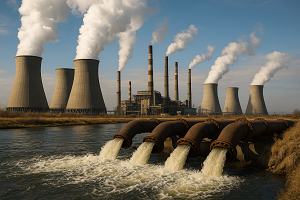
 Industrial Overuse topic monitored and covered by: Prepper Watch – Water
Introduction
In a world increasingly focused on sustainability and resource management, the overuse of water by industries poses a significant threat to the availability of clean water for the general public. With water being one of the most vital resources for survival, industrial overuse can lead to diminished access to fresh water supplies, impacting not only drinking water but also agricultural production, sanitation, and ecosystem health. As preppers, it is essential to understand the causes, consequences, and strategies for mitigating this threat to ensure long-term survival in a world where water scarcity is becoming more of a reality.
This 10-page post will explore how preppers can prepare for the water threats posed by industrial overuse. It will cover the following aspects:
Understanding Industrial Overuse of Water
Industrial overuse of water refers to the unsustainable extraction and consumption of water resources by factories, mining operations, power plants, and other large-scale industries. These industries often use large quantities of water for cooling processes, production, cleaning, and waste management. Industries, particularly in water-intensive sectors like agriculture, energy production, and manufacturing, account for a significant portion of global water consumption.
According to the UN, industrial use of water can make up to 20% of total water consumption in some regions, with this number rising as industries expand. The problem arises when industrial processes consume more water than the environment can replenish, putting strain on local water resources and reducing public access to water.
The Environmental Impact of Industrial Water Use
The overuse of water by industrial sectors contributes to several environmental issues, including:
- Depletion of Aquifers: Many industries rely on groundwater extraction, which depletes aquifers at a faster rate than they can naturally replenish. Over time, this can lead to water shortages, especially in regions that rely heavily on groundwater for their water supply.
- River and Lake Depletion: Industries that extract water from surface water bodies, such as rivers and lakes, can cause these bodies to dry up. This can lead to ecological imbalances, affecting wildlife, agriculture, and the surrounding communities.
- Pollution of Water Sources: In addition to water extraction, industrial activities often result in the contamination of nearby water sources with toxic chemicals, heavy metals, and other pollutants. This reduces the availability of clean water for surrounding communities and ecosystems.
- Thermal Pollution: Water used in cooling systems for power plants and factories often returns to the environment at a much higher temperature, which can harm aquatic life and disrupt local ecosystems.
The Economic Consequences of Water Scarcity Due to Industrial Overuse
Water scarcity resulting from industrial overuse can lead to serious economic challenges, especially in areas where water-intensive industries dominate. Some of the key economic impacts include:
- Increased Water Costs: As water becomes scarcer, the cost of acquiring it rises. Communities may face rising water prices, especially in urban areas that rely on external sources of water.
- Reduced Agricultural Productivity: Water shortages affect agricultural production, leading to crop failures and reduced yields. This can cause food prices to soar and create instability in local economies that rely on agriculture as a primary source of income.
- Loss of Jobs: Industries that rely on large quantities of water may face disruptions in production, leading to job losses. In water-scarce regions, industries may be forced to cut back or even relocate, further damaging local economies.
- Damage to Ecosystems: The depletion of water sources and the contamination of available water can damage ecosystems that support industries like fishing, tourism, and agriculture, leading to a loss of income for local communities.
Identifying Vulnerabilities in the Water Supply System
Preppers should be aware of the potential vulnerabilities in the water supply system that can be exacerbated by industrial overuse. These include:
- Overreliance on External Water Sources: Communities that rely on external sources of water, such as rivers or groundwater, are vulnerable to supply disruptions caused by industrial overuse in upstream or nearby regions.
- Aging Water Infrastructure: Many regions rely on aging water infrastructure that can break down or become less efficient over time. When combined with water scarcity, this can lead to unreliable water access for the general public.
- Lack of Water Storage Capacity: Some communities lack sufficient water storage infrastructure to cope with supply disruptions. In the event of a drought or industrial water overuse, this lack of storage can exacerbate the crisis.
Key Prepping Strategies for Industrial Water Overuse
To prepare for the threat of water shortages caused by industrial overuse, preppers can take a multi-faceted approach:
- Monitoring Local Water Usage: Stay informed about local water usage trends and monitor any developments related to nearby industries that may impact water supplies. Engage in local community efforts to advocate for responsible water usage.
- Water Storage: Build up a supply of water through long-term storage solutions, such as large water tanks or barrels. Aim to have enough water for drinking, hygiene, and basic needs for several months.
- Water Efficiency: Install water-saving devices such as low-flow faucets and showerheads, and adopt water-efficient practices in daily life. For example, capture and reuse greywater for irrigation.
- Rainwater Harvesting: Implement rainwater harvesting systems that can capture runoff from rooftops and direct it into storage containers for later use. This can supplement your water supply during shortages.
Water Conservation Techniques for Preppers
Conserving water is a critical part of prepping for water scarcity. Here are some water-saving techniques preppers can adopt:
- Efficient Irrigation Systems: Use drip irrigation systems for gardening and landscaping. These systems target the roots of plants, reducing evaporation and water waste.
- Greywater Recycling: Set up systems to recycle greywater from showers, baths, and sinks for use in irrigation and other non-potable purposes.
- Fix Leaks: Regularly inspect and repair leaks in pipes, faucets, and appliances to prevent water wastage.
- Water-Saving Appliances: Invest in energy-efficient washing machines, dishwashers, and toilets that use less water without compromising performance.
Alternative Water Sources for Preppers
In addition to traditional water sources, preppers can explore alternative options to ensure they have access to water during times of industrial overuse:
- Desalination: In coastal areas, consider the feasibility of desalination devices that convert seawater into potable water. Though costly and energy-intensive, small-scale desalination systems can provide a reliable backup water supply.
- Water Wells: If you live in a rural area, drilling a well can provide an independent water source. However, it is important to consider the long-term sustainability of local aquifers and the regulations around groundwater extraction.
- Water Importation: In some cases, it may be necessary to import water from external sources during times of crisis. Preppers should research local options for water delivery and stockpiling.
Water Filtration and Purification Methods
Even if water sources are contaminated or unsafe, preppers can use various filtration and purification methods to ensure their water supply is clean and safe for consumption:
- Boiling: Boiling water is one of the simplest and most effective ways to kill bacteria, viruses, and parasites. Always bring water to a rolling boil for at least 1 minute (3 minutes at higher altitudes).
- Filtration Systems: Invest in high-quality water filters capable of removing contaminants like chlorine, heavy metals, and bacteria. Some popular options include ceramic filters, activated carbon filters, and reverse osmosis systems.
- Chemical Treatments: Water purification tablets or drops, such as iodine or chlorine dioxide, can be used to disinfect water in emergency situations. These are lightweight and easy to carry.
Community Water Resilience
Community-based water resilience is a critical factor in surviving water shortages due to industrial overuse. Preppers should focus on fostering community cooperation to secure access to water in times of crisis. Some strategies include:
- Collaborative Water Management: Work with local communities, governments, and industries to promote responsible water use and develop water management systems that ensure equitable distribution of water resources.
- Backup Water Systems: Communities should develop backup water systems, such as shared water storage tanks, rainwater harvesting, and filtration networks, to ensure water access during emergencies.
- Advocacy and Policy Change: Engage in activism and advocacy to promote policies that limit industrial water use and protect public water resources. Support initiatives that focus on water conservation, wastewater treatment, and pollution prevention.
Staying Informed and Advocacy for Water Protection
One of the most important ways to prepare for water threats is to stay informed about water usage trends and advocate for responsible water management. Preppers should:
- Follow Industry Trends: Keep track of local and global industries that rely heavily on water, such as agriculture, energy, and manufacturing. Monitor their impact on local water supplies and advocate for sustainable practices.
- Engage with Water Protection Groups: Support and engage with organizations that work to protect water resources and advocate for policies that regulate industrial water use and pollution.
- Educate the Public: Raise awareness in your community about the risks of industrial overuse of water and the importance of sustainable water management.
Conclusion
Industrial overuse of water is a growing threat that can lead to water scarcity, environmental damage, and economic instability. As preppers, it is essential to anticipate the impact of industrial water consumption on our communities and take proactive steps to secure our water supplies. By monitoring water use, implementing conservation strategies, exploring alternative water sources, and advocating for water protection, preppers can build resilience against this looming threat. Water is essential for survival, and being prepared for its scarcity is critical to long-term preparedness.