
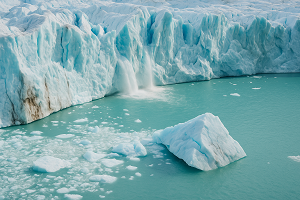
 Glacier Melting topic monitored and covered by: Prepper Watch – Water
Introduction
In the face of rising global temperatures, one of the most significant and overlooked threats to water security is the melting of glaciers. Glaciers, which serve as critical freshwater reservoirs for millions of people worldwide, are rapidly shrinking due to climate change. The loss of glaciers can have far-reaching consequences, not just for ecosystems, but also for human survival. For preppers, understanding this threat and preparing for it is crucial. This blog will explore the science behind glacier melting, the implications for water security, and the strategies preppers can use to mitigate the risks associated with this growing issue.
The Glacier Melting Crisis
Glaciers are massive bodies of ice that store about 68% of the planet’s freshwater. They act as natural water reservoirs, slowly releasing meltwater into rivers and lakes, especially during warmer seasons, ensuring a steady supply of freshwater even during dry periods. However, with rising global temperatures, these glaciers are melting at an alarming rate, and the consequences for freshwater availability are profound.
In regions where glaciers are a significant source of water, their disappearance is a direct threat to agricultural irrigation, drinking water supplies, hydropower generation, and overall water management. The looming crisis surrounding glacier melting is not just about rising sea levels but also about the potential scarcity of freshwater for billions of people.
Preppers must begin to acknowledge and prepare for this increasingly urgent issue. The following sections outline the scientific basis of glacier melting, its impacts, and the critical steps preppers can take to protect themselves from the resulting water shortages.
The Science of Glacier Melting
To understand how glacier melting affects water supplies, it is essential to first understand the process of glacial retreat. Glaciers are formed from the accumulation of snow over thousands of years. As new layers of snow pile up, the lower layers compact into ice. This ice slowly flows down mountains and into valleys, feeding rivers with meltwater during warmer months.
However, due to the global rise in temperatures, glaciers are now melting faster than they can replenish. This process, known as glacial retreat, is caused by a combination of factors:
- Rising Temperatures: As the Earth’s temperature increases, the ice at the surface of glaciers melts faster than new snow can accumulate.
- Albedo Effect: Ice and snow have a high albedo, meaning they reflect a significant portion of sunlight. As glaciers melt and expose darker surfaces such as rock or soil, they absorb more heat, accelerating the melting process.
- Changes in Precipitation: Warmer air holds more moisture, leading to changes in precipitation patterns. This results in less snowfall, further reducing the replenishment of glaciers.
This accelerated melting results in a direct loss of freshwater stored in glaciers. In many regions, glaciers provide seasonal water flow during dry periods. Without this natural source, droughts could become more severe, and water scarcity could increase.
The Impact of Glacier Melting on Freshwater Reserves
- Declining River Flows:
Many of the world’s rivers, especially in regions like South Asia, Latin America, and the Himalayas, are fed by glaciers. For example, the Indus, Ganges, and Yangtze rivers rely heavily on glacial meltwater. As glaciers melt, the rivers’ seasonal water supply diminishes, leading to lower river flows during dry seasons. This can result in water shortages for drinking, irrigation, and hydropower generation. - Hydropower Disruption:
Hydropower is a significant source of renewable energy, with many hydropower plants depending on glacier-fed rivers. As glaciers shrink, hydropower production declines, leading to energy shortages and economic instability in regions dependent on hydroelectric power. - Agricultural Impact:
Glacial meltwater contributes to agricultural irrigation in many parts of the world. The disappearance of glaciers threatens food production, especially in dry areas where there is little rainfall. Without a consistent source of water from glaciers, crop yields could suffer, leading to food shortages. - Drinking Water Supply:
In mountainous regions, glaciers are a crucial source of drinking water for local populations. As glaciers melt and retreat, communities may find themselves facing water scarcity, which could lead to increased competition for water and potential conflicts over resources. - Ecosystem Disruption:
Glaciers also provide habitat for a variety of species. As glaciers melt, they alter local ecosystems, affecting everything from plant life to animals that rely on cold-water habitats. This disruption can lead to biodiversity loss and further destabilize local environments.
Assessing Vulnerability: Which Areas Are Most at Risk?
Certain regions are more vulnerable to the effects of glacier melting than others. These include areas that depend heavily on glacier-fed rivers for agriculture, drinking water, and energy production. Notably, regions such as:
- The Andes in South America: Countries like Peru, Bolivia, and Chile rely on Andean glaciers for water supply. The loss of glaciers in this region poses a significant threat to water security, especially for agriculture.
- The Himalayas: Known as the “Water Tower of Asia,” the Himalayan glaciers feed major rivers like the Ganges, Brahmaputra, and Indus. As these glaciers melt, millions of people who depend on these rivers for water and food are at risk.
- Central Asia: Glaciers in the Pamir and Tien Shan mountain ranges provide critical water supplies to countries like Kyrgyzstan, Tajikistan, and Kazakhstan. These regions face increasing water stress as glaciers retreat.
- Alaska and the Arctic: Glacial melt in the Arctic not only contributes to sea level rise but also affects local freshwater resources and traditional ways of life, particularly for Indigenous communities.
- Alps and Scandinavia: In Europe, glaciers are vital for hydropower and regional water supplies. Countries like Switzerland, Norway, and Austria are witnessing significant changes to their glacial water sources.
Prepper Strategies for Glacier Melting and Water Scarcity
- Diversifying Water Sources:
The most important preparation for preppers is to diversify water sources. Don’t rely solely on glacial-fed water sources, as they may become unreliable over time. Set up multiple backup systems, including:- Rainwater Harvesting: Invest in rainwater collection systems, such as barrels and gutters, to capture and store water.
- Wells and Groundwater: If you live in a region with access to groundwater, ensure you have a reliable pump or filtration system to tap into this resource.
- Water Storage Tanks: Secure large water storage tanks to store enough water for both drinking and agricultural use. Rotate stored water regularly to maintain freshness.
- Water Filtration and Purification:
As freshwater sources become more polluted due to glacial melt and other factors, having a robust water filtration system is crucial. Preppers should invest in high-quality water filters that can purify river water, rainwater, and even contaminated well water.- Portable Filters: For emergency situations, portable water filters such as the LifeStraw or Berkey filters can provide clean drinking water on the go.
- UV Purification: UV water purifiers are effective for disinfecting water from pathogens, ensuring water safety in the event of contamination.
- Boiling Water: Always have a backup plan for boiling water. A reliable camp stove, solar-powered cooker, or fire-starting kit should be part of every prepper’s arsenal.
- Agricultural Water Management:
As glaciers retreat, crop yields may be affected due to reduced irrigation. Preppers should look into water-efficient agricultural methods:- Drip Irrigation: This method uses less water than traditional sprinkler systems and is ideal for conserving water in arid regions.
- Drought-Tolerant Crops: Plant crops that require less water, such as certain varieties of grains and legumes, which can thrive in drought-prone conditions.
- Water Conservation Techniques: Use mulch, cover crops, and shade nets to reduce water evaporation and protect crops during hot periods.
- Community Water Solutions:
Collaboration with others in your community can provide shared resources and ensure a collective approach to water management. Consider the following strategies:- Water Sharing Networks: In areas where water shortages are anticipated, organizing local networks for water sharing and resource pooling can be invaluable.
- Community Wells and Catchment Systems: For rural communities, building shared wells and large rainwater catchment systems can provide an essential water supply for all members.
- Energy Solutions for Water Supply:
If you depend on hydropower or other energy sources affected by glacier loss, you should consider alternative energy solutions:- Solar Power: Solar panels can help power water pumps for wells, filtration systems, and other water collection systems.
- Wind Power: In windy regions, wind turbines can be used to generate electricity to power water systems.
Conclusion: Preparing for Glacier Melting and Water Shortages
The melting of glaciers is a direct and growing threat to water security worldwide. As glaciers shrink and disappear, millions of people who rely on glacier-fed rivers and lakes will face the harsh reality of reduced water availability. Preppers must act now to diversify their water sources, invest in sustainable agricultural practices, and build resilient water systems.
By focusing on long-term water storage, efficient filtration methods, and community collaboration, preppers can mitigate the risks of glacier melting and ensure they are prepared for a future with less water. This preparation will not only safeguard their survival but also provide the foundation for thriving in a rapidly changing world where water scarcity may become one of the most pressing challenges of our time.